
A bedside alarm clock has to earn its place in a crowded room. It needs to be readable at a glance, easy to control in low light, and dependable enough to rouse someone without turning the whole bedroom into a command center. I focus on those practical details across six analog, digital, and sleep-focused bedside options.
The traditional charm of an analog wind-up clock is appealing, but modern sleep routines can require more than a simple bell. These models cover large-number analog displays, escalating alarms, luminous hands, sleep tracking, bedside lighting, and adjustable sound for people with different nighttime needs.
How The Shortlist Stacks Up

Tinload 4.3-Inch No-Ticking Analog Alarm Clock with Big Numbers, Gradual Rise

Hatch Sleep Clock, Cocoa

Hatch Sleep Clock, Greige
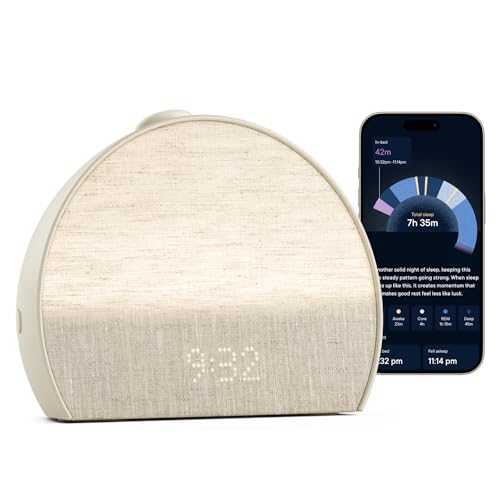
Hatch Sleep Clock, Putty

Braun Classic Analogue Alarm Clock BC12PW, Crescendo Snooze and Light
Westclox Extra Loud LCD Clock with Snooze, Black
A Breakdown Of The Leading Choices
The Tinload 4.3-Inch No-Ticking Analog Alarm Clock with Big Numbers, Gradual Rise keeps the bedside experience deliberately simple. Its round white dial, large black numerals, and side-mounted on/off control make the main functions easy to identify, particularly in a dark room or for someone with limited eyesight.
Unlike the digital Westclox Extra Loud LCD Clock with Snooze, Black, this model has no digital display to decode. It also uses a gradual alarm rather than the Braun model’s increasingly insistent beep, which may feel less abrupt for light sleepers.
Strengths Worth Knowing
- Large numerals improve recognition from across the room.
- The ticking-free movement keeps a shared bedroom quieter.
- A gradual alarm offers a less sudden wake-up pattern.
- Snooze and an on-demand light add useful bedside control.
Small Caveats
- Two AA batteries are required and are not included.
- The 4.3-inch body needs a little more room than a compact travel clock.
Key Specs
Made For
This model suits seniors, children, and anyone who values a large analog display and a quiet bedside profile.
Another Choice May Suit
The Braun Classic Analogue Alarm Clock BC12PW, Crescendo Snooze and Light fits people who prefer a louder, steadily rising alarm over the Tinload model’s gradual wake pattern.
For a household that wants more than a bedside alarm, the Hatch Sleep Clock, Cocoa turns bedtime into a configurable routine. It combines sleep tracking, a smart light, and a sound machine, allowing the same device to handle wind-down cues, overnight sound, and morning waking.
That is a different proposition from the Tinload model, which concentrates on large numerals and a conventional analog alarm. The Cocoa finish also gives the unit a warmer appearance than the black Westclox clock, although color is the main difference among the three Hatch versions here.
Notable Gains
- Sleep tracking adds context beyond a single alarm event.
- The smart light can support a gentler pre-sleep wind-down.
- Built-in sound keeps bedtime audio in one bedside device.
Points To Note
- Initial setup and connectivity troubleshooting are part of the ownership experience.
- Its feature set is more involved than a basic analog clock.
Quick Facts
Right Fit For
This model works best for people who want a connected bedside routine rather than a stand-alone mechanical-style alarm.
A Better Fit Elsewhere
The Hatch Sleep Clock, Greige is the more natural choice when neutral bedroom décor matters more than the deeper cocoa finish.
The Hatch Sleep Clock, Greige is the décor-led member of the Hatch trio, pairing a muted greige finish with sleep tracking, adjustable light, and built-in sound. It blends into a bedroom more readily than a stark black display while still providing the colored cues associated with a screen-free wind-down routine.
Compared with the Westclox Extra Loud LCD Clock with Snooze, Black, this device prioritizes the environment around bedtime rather than sheer alarm volume. The practical distinction is meaningful in a shared room, where a softer light and controlled sounds may be more useful than a louder traditional alarm.
Noteworthy Benefits
- Greige suits neutral, minimalist bedroom palettes.
- Lighting and sound can operate as a coordinated routine.
- Sleep tracking adds useful information to the nightly setup.
Where It May Fall Short
- Its features require more setup than a simple quartz alarm.
- Color selection matters more here than with a traditional black clock.
Who It Suits Best
This version suits calm bedroom design, connected sleep routines, and people who prefer visual cues over a conventional dial.
Consider Something Else When
The Hatch Sleep Clock, Putty serves people who prefer a lighter neutral finish that blends with pale walls and furniture.
Putty gives the Hatch Sleep Clock a light, understated finish that works well in a bright or softly decorated bedroom. The unit combines sleep tracking with a smart light and sound machine, so bedtime preparation and morning waking can happen through one device rather than several separate appliances.
The practical case is strongest for families or couples establishing shared sleep cues. The Braun Classic Analogue Alarm Clock BC12PW, Crescendo Snooze and Light is simpler and visually more traditional, while this model is better suited to a room where adjustable light and audio form part of the routine.
Where It Delivers
- Putty blends easily with light-colored interiors.
- Light, sound, and tracking form a unified sleep system.
- The screen-free routine may encourage a calmer bedtime setup.
- Support is available for setup and connectivity questions.
Practical Considerations
- Connected features involve more setup than a basic bedside clock.
- People primarily seeking a traditional analog dial may find it too elaborate.
Built With In Mind
This model suits people building a consistent household wind-down with light, sound, and sleep-tracking functions.
Where A Sibling Pick Shines
The Hatch Sleep Clock, Cocoa offers a deeper finish for bedrooms where warmer, stronger color anchoring is preferable.
The Braun Classic Analogue Alarm Clock BC12PW, Crescendo Snooze and Light brings a familiar mid-century appearance to a practical bedside setup. Its white face, rose-gold case, luminous hands, and yellow second hand give it more character than a generic digital alarm while keeping the time easy to scan.
The key functional difference from the Tinload model is the crescendo alarm. Its beep becomes more frequent and louder until the clock is switched off, providing a stronger wake-up progression without abandoning the analog format.
Real Benefits
- The rising beep builds urgency over several seconds.
- Luminous hands remain visible in a darkened room.
- A top-mounted button adds light without searching the side.
- The analog face avoids screen glow at bedtime.
Possible Compromises
- The foot snooze requires reaching beneath the clock.
- One AAA battery is needed and is not included.
Technical Reference
Whose Shelf It Belongs On
This clock suits design-conscious homes that want analog character, a rising alarm, and minimal screen use.
Look Elsewhere When
The Tinload 4.3-Inch No-Ticking Analog Alarm Clock with Big Numbers, Gradual Rise is a stronger fit when oversized numerals matter more than classic styling.
The Westclox Extra Loud LCD Clock with Snooze, Black puts volume and straightforward timekeeping at the center of the design. Its lightweight plastic body takes up little space on a bedside table, desk, or travel setup, while the LCD provides clear numerals that can be read from different positions.
That makes it the most direct option for heavy sleepers who prioritize an adjustable, high-volume alarm. The Braun model offers a more gradual crescendo and traditional appearance, whereas the Westclox leans toward digital clarity and portability.
A Few Strong Suits
- The adjustable alarm supports different volume preferences.
- The LCD remains easy to read from several angles.
- Snooze provides a straightforward second alarm opportunity.
- The small, lightweight body suits travel and limited space.
Less Ideal Details
- Black plastic gives it less decorative appeal than the Braun clock.
- The LCD format may not satisfy someone seeking analog wind-up mechanics.
Feature Card
Made For
This clock suits heavy sleepers, busy professionals, and travelers who value audible alarm control in a compact format.
Reach For A Different Pick When
The Braun Classic Analogue Alarm Clock BC12PW, Crescendo Snooze and Light fits people who prefer a rising alarm and classic bedside design.
Matching Clock Mechanics to Your Bedside Routine
Confirm the movement first
A true wind-up mechanical alarm stores energy in a spring and runs through a mechanical gear system. Quartz and digital clocks use different power and timekeeping systems, so checking the movement prevents confusion between traditional appearance and genuine mechanical operation.
Match the display to sight needs
Large printed numerals suit people who read analog dials more easily than a small screen. The Westclox LCD is also easy to scan, but the Tinload clock offers the strongest combination of oversized figures and a high-contrast white dial.
Evaluate the wake-up pattern
A gradual alarm may be less disruptive in a shared room, while a crescendo beep or adjustable volume provides stronger escalation. The Braun and Westclox models serve people who prioritize a firmer wake-up signal, whereas the Tinload model favors a gentler approach.
Decide how much bedside technology is useful
Sleep tracking, programmable light, and built-in sound can simplify a nightly routine, but they add more controls than a conventional alarm clock. A basic analog model is easier to maintain, while a connected sleep device offers a more complete wind-down setup.
Avoiding Common Clock-Buying Errors
Common Shopping Slip Ups
The largest mistake is assuming that an analog-looking clock is mechanically wound. Another common error is choosing by appearance without checking the alarm pattern, display size, and power source. I also look for practical fit, including bedside space, button placement, and whether a glow or light is genuinely useful.
What The Higher Tier Buys
A more advanced bedside device may add sleep tracking, adjustable lighting, sound routines, and setup support instead of merely improving the dial. Those additions matter for connected sleep routines, while a simple quartz clock remains easier for anyone who wants fewer controls and fewer setup steps.
Frequently Asked Questions
Are all six clocks wind-up mechanical models?
No. The Tinload and Braun clocks use quartz movements, the Westclox uses an LCD, and the Hatch models provide electronic sleep-tracking, light, and sound functions.
Which model has the most readable display?
The Tinload 4.3-Inch No-Ticking Analog Alarm Clock with Big Numbers, Gradual Rise offers the largest printed numerals, while the Westclox Extra Loud LCD Clock with Snooze, Black provides a clear digital alternative.
Which clock is quietest for a shared bedroom?
The Tinload model is designed without ticking, and the Braun uses a quiet quartz movement. The Hatch clocks can provide controlled sound rather than mechanical ticking, depending on the selected routine.
Which option suits someone who needs a strong alarm?
The Westclox Extra Loud LCD Clock with Snooze, Black prioritizes an adjustable, high-volume alarm. The Braun Classic Analogue Alarm Clock BC12PW, Crescendo Snooze and Light is the better fit for a rising beep in classic analog styling.
Do any of these models work without batteries?
The Tinload requires two AA batteries, and the Braun requires one AAA battery. A true spring-driven wind-up clock would serve that need, although none of the six models is described as one.
Final Thoughts
The right bedside clock depends on how the alarm must work, not on appearance alone. Large numerals and a quiet face favor the Tinload, classic design and a rising beep favor the Braun, strong adjustable volume favors the Westclox, and connected sleep routines favor the Hatch models. Checking movement type, controls, and bedside space makes the final decision much more straightforward.