
A sump pump earns its place by removing water before a damp basement becomes a flooded one, but “water powered sump pump” is a misleading category name. The pumps below are electrically powered, and several handle pool water, sewage, or transfer duty rather than routine sump drainage. Your best fit depends on the water source, available power, pit size, and whether you need backup protection.
The Lineup, Simplified
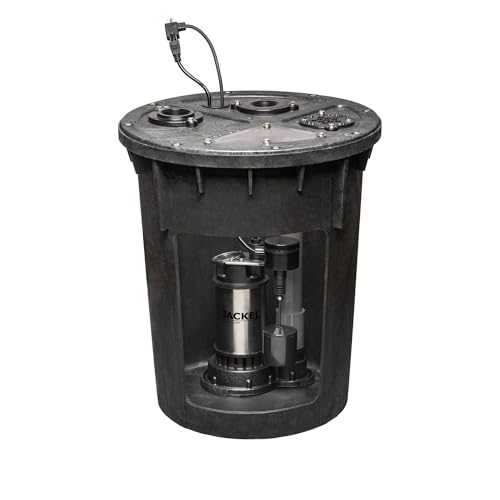
JACKEL JPACK22S-250V 1/2 HP Sump System
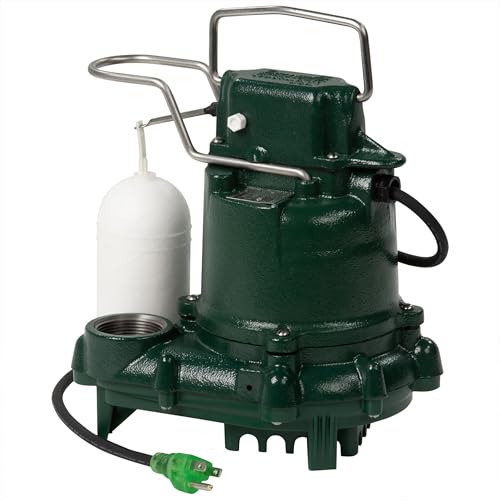
Zoeller M53 Mighty-mate 1/3 HP Pump

Zoeller M98 Flow-Mate 1/2 HP Cast Iron Pump with LED Plug

Basement Watchdog Special CONNECT Battery Backup System
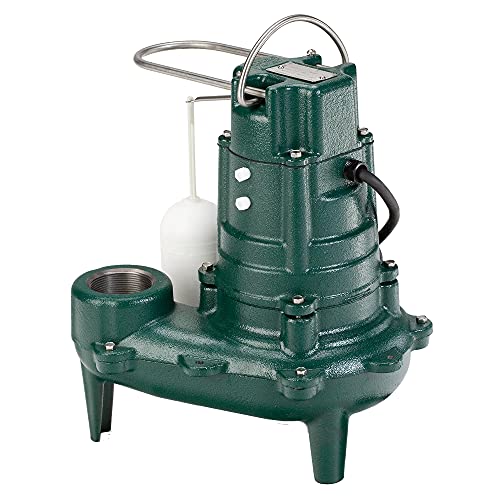
Zoeller Waste-Mate 267-0001 Pump
GWANZI 1/4 HP Cordless Transfer Pump, 750 GPH, 30-Ft Head

Westinghouse 1/2 HP Sump Pump with 12V Battery Backup
GWANZI 1/2 HP Pool Cover Pump, 3,500 GPH with Filter Net
More On The Choices That Made The List
A complete sump installation usually involves more than the pump itself. The JACKEL JPACK22S-250V combines a 1/2 HP pump, an 18-by-24-inch basin, and the discharge components needed to connect the system, which makes it appealing for a planned replacement rather than a quick drop-in swap.
The pump uses a stainless steel housing, cast iron volute, and float-operated control. A float switch is a moving water-level sensor that starts and stops the pump, while the volute is the rounded pump chamber that directs water into the discharge pipe. For most homeowners, the package reduces the number of separate parts to source and coordinate.
What Stands Out
- The pre-plumbed package reduces assembly and component-matching work.
- The 22-gallon basin provides useful capacity for a residential pit.
- The clear inspection plate makes the interior easier to view.
- Schedule 80 PVC and a threaded discharge flange create a defined plumbing layout.
Things To Consider
- You still need compatible discharge piping and a discharge route that follows local requirements.
- The fixed basin dimensions and 1.5-inch discharge flange need to fit your existing pit area before purchase.
Key Specs
Made For
This system suits a homeowner planning a full residential sump setup with a standard pit footprint and compatible plumbing.
Look Elsewhere When
Choose the Westinghouse 1/2 HP Sump Pump with 12V Battery Backup when outage protection matters more than a pre-assembled basin package.
The Zoeller M53 Mighty-mate serves a more focused role than the JACKEL package: it is a standalone submersible sump pump for an existing pit. Its 1/3 HP motor and automatic float control suit routine groundwater collection where you already have a basin and discharge line in place.
Cast iron construction appears in the motor housing, pump housing, and switch case, while a plastic base forms the lower portion. The vortex impeller is designed to reduce the chance of solids snagging around the impeller, a useful characteristic for sump pits that may collect grit or small debris. Nothing flashy, just a straightforward pumping arrangement.
Notable Upsides
- Automatic float operation removes the need for manual pump control.
- The compact standalone design suits an existing residential sump pit.
- Vortex impeller handling supports use in pits where light debris may collect.
Worth Noting
- The package does not include the basin, cover, or discharge plumbing found in the JACKEL system.
- You must confirm basin dimensions, discharge height, and electrical requirements before installation.
The Right Fit
This pump best fits a homeowner with an established sump pit who needs a compact replacement for routine groundwater drainage.
Another Choice May Suit
The JACKEL JPACK22S-250V 1/2 HP Sump System suits you better when you need the basin, cover, and plumbing supplied as one coordinated package.
The M98 carries more motor power than the M53, pairing a 1/2 HP motor with a cast iron housing for homes that need greater pumping capacity. Its oil-filled motor design helps manage heat during extended operation, while the float switch provides automatic starting and stopping.
The LED power plug offers a quick visual indication that the receptacle is energized, which is more informative than staring into a dark sump pit. Compared with the JACKEL system, this is a pump-only choice, but it also avoids the fixed 18-by-24-inch basin footprint. For an existing suitable pit, that may be the better arrangement.
The Good Stuff
- The 1/2 HP motor offers greater capacity than the 1/3 HP M53.
- Oil-filled motor construction supports heat dissipation.
- The LED plug gives you an at-a-glance power check.
- Automatic float operation suits unattended basement drainage.
Small Caveats
- You need a compatible basin, discharge plumbing, and electrical setup that are not included here.
Core Details
Who Will Love This
This model appeals to you when an existing residential pit has adequate clearance and you want a higher-powered cast iron pump with automatic operation.
Reach For A Different Pick When
The GWANZI 1/2 HP Pool Cover Pump suits you better for moving large amounts of water from a pool cover rather than routine basement drainage.
The Special CONNECT focuses on the moment a conventional sump pump cannot help. Its battery-powered backup unit takes over during an electrical interruption, while the controller provides operating status and the CONNECT module adds remote monitoring capability.
The pump is rated to move 2,500 gallons per hour at zero feet of lift and 1,730 gallons per hour at a 10-foot lift. Flow falls as discharge height increases because the pump must push water farther uphill. The compact body can suit a narrow pit, which makes this system relevant in older homes with limited space.
Reasons It Performs
- Battery backup protects against water accumulation during a power interruption.
- The control panel displays warnings and maintenance guidance.
- A fluid-level sensor checks the battery electrolyte condition.
- Remote monitoring makes the system more useful for unattended basements.
Things To Weigh
- The battery is sold separately, so the complete installation requires an additional purchase.
- Remote access depends on the add-on module and your connection to the monitoring service.
- The pump still needs a compatible basin, discharge route, and primary sump arrangement.
Technical Sheet
Built With In Mind
This system suits a homeowner with a narrow pit and a meaningful risk of power interruptions who wants remote backup monitoring.
A Better Fit Elsewhere
The GWANZI 1/4 HP Cordless Transfer Pump suits you better when you need mobile water transfer without a permanently installed sump system.
The Waste-Mate addresses a different problem from the M53 and M98. It is built as a submersible sewage and effluent pump, meaning it is intended to move wastewater containing solids rather than only clear groundwater collected beneath a foundation.
Its plastic impeller can handle spherical solid waste measuring up to 2 inches, and a float-operated mechanical switch starts the pump automatically. The housing uses ASTM Class 25 cast iron, a construction classification tied to the grade of iron used in the casting. This makes it a practical consideration for residential or commercial wastewater applications, rather than a substitute for ordinary sump drainage.
Everyday Perks
- The 2-inch solid-handling capacity suits wastewater containing larger debris.
- Automatic float operation removes manual switching from the task.
- Cast iron construction suits demanding sewage and dewatering environments.
Practical Considerations
- A sewage pump requires proper wastewater handling and discharge arrangements that differ from a clear-water sump setup.
- Confirm the solids rating and discharge compatibility against your specific waste before installation.
Best Suited To
This pump fits you when you need automatic removal of sewage, effluent, or wastewater with solids up to the stated size.
Where A Sibling Pick Shines
The Zoeller M53 Mighty-mate 1/3 HP Pump suits you better for routine clear-water sump drainage without sewage solids.
The GWANZI transfer pump solves a portable water-moving problem rather than a permanent sump-pit problem. It can move water from a pool, pond, garden area, bathtub, RV, or boat, which makes seasonal cleanup and emergency draining much more convenient without a fixed discharge line.
Its 750-gallon-per-hour flow and 30-foot head describe practical movement limits. Head is the maximum height the pump can push water vertically, and actual output falls as the required lift rises. With two rechargeable batteries and a charger included, you can move the pump without staying near an outlet. For frequent outdoor use, the cordless format is the feature that matters most.
What Helps Most
- Two batteries give you flexibility between charging sessions.
- The 30-foot head handles meaningful vertical transfer.
- IPX8 sealing supports submerged operation.
- The 3/4-inch outlet fits common transfer hose arrangements.
Possible Compromises
- The 750 GPH rating is lower than the larger pool-cover models in this roundup.
- Run time depends on battery charge and operating conditions, so a second battery helps.
Quick Facts
Made For
This pump suits you for pool, pond, garden, RV, or boat water transfer where portability matters more than automatic sump operation.
Skip It When
The GWANZI 1/2 HP Pool Cover Pump suits you better when higher pool-water removal capacity takes priority over cordless mobility.
The Westinghouse system combines normal sump pumping with a separate 12-volt backup capability. The 1/2 HP primary pump handles routine drainage, while the backup arrangement is intended to continue removing water during an electrical interruption.
Its listed output reaches up to 5,200 gallons per hour, giving it considerably higher stated capacity than the Basement Watchdog system in this roundup. That comparison does not mean equal results at every discharge height, though. The integrated vertical float switch controls automatic operation, and the 12-volt architecture can simplify battery selection compared with more specialized backup equipment.
Useful Touches
- Primary and backup pumping are combined in one system.
- The 1/2 HP pump provides high stated water-moving capacity.
- The integrated vertical float switch supports automatic operation.
Points To Keep In Mind
- The battery is not included, so the backup portion needs a compatible 12-volt battery.
- You must confirm that the primary and backup pumps both fit the available pit footprint.
- Discharge plumbing and the appropriate discharge route remain part of the installation.
Who Should Grab It
This system suits a homeowner who wants combined primary and backup pumping in one sump-pit setup with adequate space for both pumps.
Not Your Match When
The Basement Watchdog Special CONNECT Battery Backup System suits you better when narrow-pit fit and remote status monitoring are your main priorities.
The GWANZI pool cover pump is built for the sizable sheet of water that can collect over a swimming pool cover. Its 1/2 HP motor is rated to move 3,500 gallons per hour and handle a 35-foot lift, giving it substantially more capacity than the smaller cordless transfer pump.
Automatic on-and-off control handles continued removal as the water level changes. The filter net catches leaves and other debris before it reaches the pump, while the 3/4-inch adapter includes a check valve. A check valve prevents drained water from flowing back toward the pump. The 25-foot power cord adds placement flexibility, although you still need a safe dry connection.
A Strong Showing
- The 3,500 GPH rating suits substantial pool-cover water removal.
- The filter net helps keep leaves and debris away from the pumping components.
- Automatic operation handles changing water levels without manual switching.
Less Ideal Details
- The 25-foot cord may need careful routing to reach a suitable outlet without creating a trip hazard.
- The pump is specialized for seasonal water removal rather than permanent basement drainage.
Feature Overview
Right Fit For
This pump fits you for seasonal cleanup beneath a swimming pool cover, hot tub, pond, or similar water-holding area.
Consider Something Else When
The GWANZI 1/4 HP Cordless Transfer Pump suits you better when portability and battery-powered operation matter more than maximum flow.
What Matters Before the Installation Begins
Start With the Water Problem
A basement sump pump handles clear or lightly contaminated groundwater collected in a pit. A sewage pump handles wastewater and solids, while a transfer or pool-cover pump moves water from a container or covered surface. Match the pump to the source before considering horsepower, because the wrong category can introduce handling and discharge problems that no amount of added capacity will fix.
Match Capacity to the Pit
Horsepower tells you how much capacity the motor offers, but discharge height matters just as much. Flow normally declines as water travels farther upward, so a pump rated at zero-foot lift may perform differently in your installation. Measure the pit depth, water-entry points, basin dimensions, and vertical discharge distance before choosing a model.
Account for Power and Plumbing
Traditional systems require a grounded electrical supply and code-compliant discharge routing. Battery-backup systems add battery selection, charger placement, and room for a second pump. You should also identify a safe switch or disconnect, inspect the existing discharge pipe, and confirm that a check valve is present to limit reverse flow.
Confirm Parts and Clearances
A standalone pump works only with the right basin, cover, float-switch arrangement, and discharge connection. A pre-plumbed system may include those components, while a backup system may require separate batteries or monitoring hardware. Measure clearances inside the pit, including the vertical float switch and any removable inspection plate, before ordering.
Practical Checks Before You Order
Mistakes Worth Dodging
Do not judge capacity from horsepower alone, and do not treat a pool or transfer pump as a permanent sump replacement. Measure the actual lift, identify the wastewater type, and check every connection size before buying. That prevents the most common mismatch between a capable pump and the space or plumbing around it.
What Separates Premium From Basic
Additional cost can buy backup power, monitoring, integrated plumbing, or materials built for heavier-duty work. Those features matter most in homes with frequent outages, narrow pits, or demanding water conditions. For routine drainage with suitable existing plumbing, a simpler standalone pump may meet your needs without extra components.
Frequently Asked Questions
Are Water Powered Sump Pumps Battery Operated?
These pumps are electrically operated despite the category name, and some include separate battery-backup capability. A standard sump pump uses household power, while a backup unit can take over during an interruption.
How Much Sump Pump Capacity Do I Need?
Capacity depends on pit conditions, pump power, discharge height, and the volume of water entering the basin. Measure the lift and select a pump whose rated performance remains useful at that height rather than relying on one flow figure.
Do I Need a Battery Backup Sump Pump?
A battery backup is valuable where power interruptions are common or basement flooding would cause serious damage. A standard primary pump is sufficient when drainage needs are modest, local power is consistent, and your budget does not support a complete backup installation.
Can a Sewage Pump Replace a Basement Sump Pump?
A sewage pump can move wastewater and solids, but that does not make it the right replacement for clear groundwater drainage. Choose a standard sump pump for a foundation pit and reserve a sewage pump for wastewater or effluent applications.
Can a Pool Cover Pump Drain a Basement?
A pool cover pump can move water, but its listed application and capacity concern covered pools and similar seasonal water sources. A basement installation requires a pump, basin, float control, and discharge arrangement designed for that specific pit.
Wrap Up
The right pump starts with the type of water and the place it must go. A complete basin package simplifies a new residential installation, standalone Zoeller models handle focused drainage duties, and backup systems add resilience when outages pose the greatest risk. For portable pool, pond, or RV work, the two GWANZI transfer options provide more appropriate tools. Measure first, then choose the system that fits your water, space, and power.