
A rat behind the refrigerator or inside the garage can turn a small problem into a nightly concern. You need a trap that fits the animal, fits the space, and suits how much hands-on cleanup you want. The options below cover mechanical snaps, live-catch cages, glue boards, and scent-based deterrents for homes, garages, and outdoor areas.
The Picks In Brief

JT Eaton JAWZ Mouse Traps 4-Pack

Tomcat Wooden Rat Snap Traps 2-Pack

CXIENAOY Reusable Live Catch Rodent Trap Cage with Easy Release for Mice, Rats

Catchmaster Max-Catch Glue Traps 36-Pack
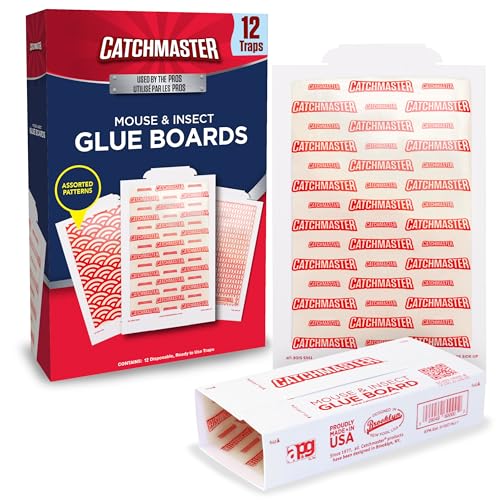
Catchmaster Extra Sticky Insect and Mouse Glue Traps, 12-Pack, 5.3 x 8 Inches

Catchmaster Super Glue Traps 30-Pack

Mighty Mint Peppermint Oil Rodent Repellent Spray

TRATPER Covered Dual-Tunnel Rat and Chipmunk Snap Traps, Reusable 2-Pack
More Details on the Top Picks
The JT Eaton JAWZ set puts a practical combination of plastic construction, reusable design, and hands-free operation at the center. You can set it by hand or foot, which helps during repeated placement along kitchen walls or beneath appliances. For a household dealing with several mouse entry points, four traps are easier to distribute than one at a time.
Unlike a traditional wooden snap trap, the plastic body can be cleaned and returned to the same location. That matters in utility rooms or workshops where you may want to keep a consistent monitoring point. The sensitive trigger and textured catch area add another layer, although actual results will depend on placement and local activity.
Notable Gains
- Four traps support a distributed indoor placement strategy.
- Foot or hand setting removes the need for tools during deployment.
- The no-touch disposal design reduces direct contact with the mechanism and captured mouse.
- Reusable construction suits long-term monitoring at the same locations.
Small Caveats
- Reusable traps still require regular inspection and cleaning.
- The 4-pack may provide limited coverage across several large rooms.
Quick Facts
Who Will Love This
You benefit most from these traps if you want reusable, tool-free mouse control across a kitchen, utility room, or other indoor area.
Another Choice May Suit
The CXIENAOY live-catch cage suits you better when releasing captured small animals is more important than immediate mechanical control.
The Tomcat pair offers a direct mechanical approach with wooden construction, which may feel more familiar than a plastic or live-catch design. You can place the traps near signs of rat travel, such as nearby droppings, gnaw marks, or worn edges along their route. Two traps are a sensible starting point for a garage or utility area, though a wider infestation may call for more placements.
Compared with the JAWZ traps, this option lacks a stated no-touch disposal feature and tool-free setting. Its appeal comes from its straightforward snap-trap format, particularly for people comfortable handling traditional wood mechanisms. The honest read is that familiarity matters here more than extra convenience features.
Everyday Advantages
- Wooden construction provides a familiar mechanical trapping format.
- Two traps support separate placement points or a follow-up placement.
Practical Considerations
- Direct handling of the mechanism and catch area may be less convenient.
- Wooden traps need a stable, dry placement point and regular checks.
The Right Fit
This pair fits you well if you prefer a conventional wood snap trap and want a straightforward mechanical option for rat activity in a garage or utility room.
Look Elsewhere When
The JT Eaton JAWZ Mouse Traps 4-Pack suits you better when reusable plastic construction, tool-free setting, and reduced direct contact matter most.
A live-catch cage changes the decision from quick mechanical control to deliberate release. The CXIENAOY trap can contain mice, rats, chipmunks, and squirrels in an acrylic cage until you open the detachable rear outlet. That arrangement may suit a home where you want to reduce contact with the captured animal, although it requires regular monitoring.
The reusable acrylic structure can be rinsed and reset after each release. It also works in places ranging from kitchens and basements to patios and storage rooms. Unlike the Catchmaster boards, this is a baited cage rather than a sticky surface, so the bait and placement become more important parts of the setup.
Useful Highlights
- Contains small animals without a snap or glue mechanism.
- The rear release outlet reduces direct contact during relocation.
- Reusable acrylic construction simplifies repeated cleaning and resetting.
- Works for mice, rats, chipmunks, and squirrels.
- Suitable for indoor rooms and sheltered outdoor corners.
Where It May Fall Short
- You must check the cage frequently and handle each capture responsibly.
Feature Snapshot
Made For
This cage suits you if you can check it regularly, follow local release rules, and prefer reusable trapping without a sticky or snap mechanism.
Consider Something Else When
The Catchmaster Max-Catch Glue Traps 36-Pack offers a better fit when you want unattended boards along known movement routes without managing captured animals.
Thirty-six boards make it easier to monitor several suspected paths at once, which is the strongest practical feature here. The traps are designed for mice, rats, and various crawling pests without bait. You can begin with the protective paper in place, then position the boards along routes where you have noticed animal activity.
That approach differs from the CXIENAOY cage, which needs bait and later release. These boards stay positioned for monitoring, making them useful in a basement, storage room, or behind an appliance. A sticky trap still requires careful handling, and you should keep them out of reach of children and pets.
A Few Strong Suits
- Thirty-six boards allow broad placement across multiple rooms.
- No bait is required for use.
- One product format covers rodents and several crawling insects.
Things To Consider
- Sticky surfaces can hold fur and debris, so disposal and cleaning need planning.
- Boards need to stay inaccessible to children and pets.
Built With In Mind
This pack fits you well if you want to place many small boards across several suspected activity routes and prefer monitoring over baiting.
Swap It Out When
The Catchmaster Extra Sticky Insect and Mouse Glue Traps 12-Pack suits you better when a defined board size and a smaller number of placements fit your space.
Defined board dimensions make this set easier to position in tight areas than a larger collection of assorted boards. Each board measures 5.3 by 8 inches, and the 12-count pack provides enough units for a focused placement plan. The extra-sticky construction is intended for mice, rats, and crawling insects sharing the same route.
You do not need bait, and leaving the protective paper on during the initial period can help animals acclimate to the board. This differs from the 36-pack Max-Catch set, which prioritizes quantity over a stated board size. The trade-off is straightforward: twelve placements offer less coverage but more control over where each board sits.
Where It Delivers
- The 5.3-by-8-inch size supports placement along walls and in compact areas.
- Extra-sticky glue is designed for rodents and crawling insects.
- No bait is required.
- Twelve boards suit focused monitoring in garages, basements, or attics.
Details To Watch
- You need to keep the boards away from children and pets.
At A Glance
Who Should Grab It
You should consider this set for garages, basements, and attics where standardized board dimensions make placement easier to plan.
Reach For A Different Pick When
The Catchmaster Max-Catch Glue Traps 36-Pack fit you better when broad placement coverage matters more than a stated board size.
The Super Glue Traps set balances a substantial count with a broader pest list than a mouse-only board. The traps can catch mice, rats, insects, ants, roaches, spiders, and crickets, making them convenient for a room where several small pests follow similar edges. Thirty boards give you room to establish a distributed monitoring pattern.
No bait is needed, and the protective paper can remain on during initial placement. You then position the boards indoors along suspected travel paths. Compared with the 12-pack Extra Sticky set, this option offers more units but no stated dimensions, so check the board size against your available floor space.
Well-Handled Touches
- Thirty traps support coverage across numerous indoor locations.
- The format suits both rodents and crawling insects.
- Using the traps without bait keeps setup simple.
Small Limitations
- The lack of stated dimensions makes storage planning less precise.
- Sticky traps need careful handling and safe placement.
- Captured pests may require less pleasant cleanup than a reusable snap mechanism.
Feature Facts
The Right Fit
This set suits you if you need many indoor boards and want one approach for rodents plus common crawling insects.
A Better Fit Elsewhere
The Catchmaster Extra Sticky Insect and Mouse Glue Traps 12-Pack fit you better when known dimensions make storage and placement easier.
The Mighty Mint spray offers a different role from every mechanical trap in this list. Its 16-ounce bottle applies a peppermint-oil scent around areas where rodents travel, making it useful alongside a broader rodent-control plan. For a garage corner, pantry edge, or entry point, you can add a scented deterrent without setting a mechanism.
It does not physically catch a rat, so the distinction matters. You may prefer it as a supplementary measure rather than the sole response to visible activity. The formula is presented for use around pets and children when applied according to its directions, though reading the label remains the sensible precaution around pets, food, and children.
What Stands Out
- Liquid application suits narrow edges and travel routes.
- The 16-ounce bottle covers multiple application points around a home.
Potential Drawbacks
- The spray cannot replace a trap when an animal is already inside.
- You must follow the product directions around children, pets, and food areas.
- Its effect depends on continued use as part of your pest-control routine.
Best Suited To
This spray suits you if you want a peppermint-oil deterrent for travel routes and are prepared to combine it with trapping or entry reduction.
Skip It When
The JT Eaton JAWZ Mouse Traps 4-Pack suit you better when you need a physical trap that can catch and contain mice at indoor entry points.
The TRATPER pair places the snap mechanism inside two covered tunnels, reducing your contact with the moving parts during setup and ordinary checks. That enclosure gives the design a clear advantage over the open wooden Tomcat trap. It also suits homes where children or pets may roam around a garage, shed, or storage area.
You can add a bait such as peanut butter, set the trap, and reuse it later. Dual entry points may also work well along a wall where animals can approach from more than one direction. Compared with the live-catch CXIENAOY cage, the TRATPER design is a mechanical snap trap, so it serves a different capture and cleanup preference.
Benefits That Matter
- The covered mechanism reduces contact with the trap’s working parts.
- Dual tunnels offer two possible approach directions.
- The traps are reusable for ongoing rodent management.
- They are intended for rats and chipmunks in indoor or outdoor settings.
Trade-Offs To Consider
- The pair provides less placement coverage than a larger multi-pack.
- Bait is needed, so setup requires an extra step.
Key Product Details
Who It Suits Best
You benefit most from this pair when you want a reusable snap trap with covered parts for a garage, shed, or other area shared by people or pets.
Not Your Match When
The CXIENAOY live-catch cage suits you better when you want to contain and release a captured animal instead of using a snap mechanism.
What Matters Before You Set a Rat Trap
Match the mechanism to your priorities
A snap trap offers direct mechanical control, while a live-catch cage requires frequent checks and a release plan. Glue boards work as flat monitoring surfaces along movement routes, and peppermint spray serves as a deterrent rather than a capture device. Your tolerance for handling, cleanup, and monitoring should guide the choice.
Follow signs of activity instead of guessing
Look for droppings, gnaw marks, oily rub marks, and other evidence before setting a trap. Place it where animals repeatedly travel rather than in a random open area. Along walls, behind appliances, and near entry points can be more useful than the middle of a room, though the exact placement should follow the evidence you find.
Account for the animal and the space
Some rat traps are sized specifically for rats, while others also target chipmunks or smaller rodents. Check the available floor area, wall gaps, and storage requirements for larger boards or cage traps. Outdoor placement also needs consideration of weather exposure and local handling rules.
Build a plan beyond one trap
One mechanism rarely covers an entire property, especially when activity spans several entry points. A combination of reusable traps and monitoring boards can help you map movement, while sealing access points limits the conditions that support an infestation. Keep food and rubbish secured while the traps are in use.
Common Mistakes Worth Avoiding
Mistakes Worth Dodging
The most common mistake is choosing by trap count without considering placement. A larger pack only helps when you can distribute the traps along confirmed routes, and bait-free glue boards should not be expected to work like baited snap traps. Another error is setting a mechanical trap and forgetting it, since regular checks matter for both safety and sanitation.
What Separates Premium From Basic
A higher-tier trap may add a no-touch disposal system, a covered mechanism, a live-release outlet, or a larger pack. The upgrade matters when it addresses your exact inconvenience, such as frequent direct contact or difficult storage. You gain little from paying extra for a feature your chosen placement will not use.
Frequently Asked Questions
Are snap traps or live-catch cages better for rats?
Snap traps suit households seeking direct mechanical control, while live-catch cages suit people prepared to check the trap frequently and relocate the animal. Your local rules and your comfort with handling should also guide the decision.
Where should rat traps be placed?
Place traps along walls, near entry points, behind appliances, and along routes marked by droppings or gnaw marks. Distribution usually works better than placing every trap in one open area.
Do glue mouse traps need bait?
No, the Catchmaster glue traps are designed for use without bait. Leaving the protective paper on during the initial placement can help animals acclimate before the board is positioned along a suspected route.
How often should a live-catch trap be checked?
You should check it frequently because a captured animal needs prompt, responsible handling. Follow local relocation rules and keep the cage stable and inaccessible to children or pets until you can handle it.
Can peppermint oil spray catch a rat?
No, peppermint oil spray is a deterrent rather than a capture method. It works best as a supplementary measure around frequently traveled routes, not as a replacement for trapping or blocking entry points.
Wrap Up
The right rat trap depends on the result you want and the space you manage. You may prefer the JAWZ set for cleaner handling, the CXIENAOY cage for live release, or one of the Catchmaster boards for route monitoring. Choose the approach you will use consistently and check it regularly.