
A sagging couch cushion can look like a small repair, until I measure the cover and realize the filling needs have changed. Polyester fiber, shredded memory foam, and cut upholstery foam each handle a different seating job, so the practical choice starts with cushion construction rather than bag size. I compare six options below for restoring shape, refilling covers, and creating comfortable new pieces.
The Leading Options At A Glance
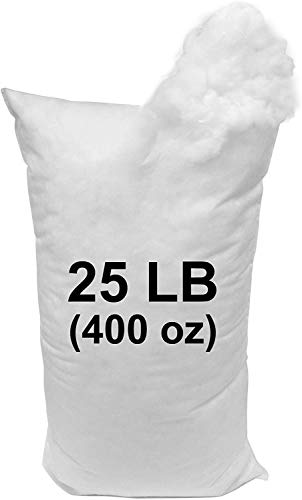
Hometex Canada 25 LB High-Loft Polyester Stuffing

Hem Dgpsy 9 lb Polyfill Fiber Fill for Couch Cushions, Crochet Toys, Crafts

Hometex 3 LB Polyester Pillow Fill

Hometex Canada 20 LB Pillow Stuffing

FlyGulls 20 x 20 x 4 Foam

DR.DUDU 10 lb Pillow Fill
What Each Pick Brings To The Table
Refilling several flattened couch cushions calls for more material than a small craft bag can provide, which is where this 25-pound format becomes practical. The 100% high-loft polyester fill is soft and airy, with resilience designed to help the stuffing retain its shape rather than immediately flattening.
I would use this for a batch of handmade cushions, plush toys, or home accessories, especially where a rounded, generously filled appearance matters. Unlike the structured FlyGulls option, this loose fiber conforms to the inside of a sewn cover and can be distributed by hand.
What Earns Its Place
- The 25-pound quantity supports several cushions instead of requiring repeated supplies.
- High-loft polyester creates a soft, cushioned interior for comfortable seating pieces.
- Loose filling conforms to handmade covers and suits toys, cushions, and décor projects.
Trade Offs
- Bulk storage needs consideration, and a large loose-fill bag requires enough clear space to open and handle comfortably.
Key Specs
Who It Suits Best
This option fits crafters and home decorators who are refilling several cushions or producing multiple plush items in one session.
Where Another Pick Suits Better
FlyGulls 20 x 20 x 4 Foam suits anyone replacing a fixed-profile seat layer rather than filling a soft sewn cover.
Compared with the 25-pound Hometex bag, this 9-pound format offers a more manageable amount for household cushions and craft projects. Its 100% polyester fiber is highly carded, meaning the fibers have been combed to separate them and reduce clumps before use.
I see this as a sensible middle ground for crochet toys, decorative pillows, and cushions. The manufacturer also states that the fill is odorless, nonfluorescent, and made to meet Oeko-TEX certification criteria.
Where It Helps
- The 9-pound size covers substantial projects without the bulk of a 20- or 25-pound bag.
- Carded fibers separate readily, which helps with even distribution inside small forms.
- The stated certification and material attributes suit children’s crafts and projects involving sensitive skin.
- White polyester fill works for pillows, crochet toys, cushions, and general sewing tasks.
Practical Considerations
- The 9-pound quantity may fall short for several full-size couch cushions.
- White fibers deserve attention in a thin or pale cover where their appearance could be visible.
Core Details
Made For
This fill fits family craft rooms, crochet projects, and household cushion repairs requiring clean white polyester fiber.
Another Choice May Suit
DR.DUDU 10 lb Pillow Fill serves people who prefer separated memory-foam strands that can be adjusted by hand.
A single accent pillow does not require a workshop-sized supply, and the 3-pound Hometex bag covers that narrower need neatly. The 100% high-loft polyester is soft, resilient, and light enough for small cushions, toys, and simple sewing projects.
I would choose it for a first cushion repair or a batch of small handmade pieces. Compared with Hem Dgpsy 9 lb Polyfill, the smaller quantity reduces leftover material, although it is less appropriate for rebuilding an entire sofa.
A Favorable Mix
- The compact quantity is convenient for one cushion or several small craft pieces.
- Soft polyester fibers create a plush result without the structured profile of upholstery foam.
Points To Note
- Three pounds may not fill a large, deep cushion without leaving a visibly loose interior.
- Loose fiber provides a soft fill rather than the defined support of a shaped foam layer.
Right Fit For
This option suits beginners, apartment crafters, and anyone refreshing one small cushion or creating compact pillows and toys.
Look Elsewhere When
Hometex Canada 20 LB Pillow Stuffing fits projects involving several full-size cushions that need a much larger quantity.
The gap between the 3-pound and 25-pound Hometex options is where this 20-pound bag becomes useful. It carries enough 100% high-loft polyester fill for multiple large cushions while remaining somewhat easier to store than the heaviest option.
I would select it for a weekend of upholstery work, a group of decorative pillows, or a substantial stuffed-animal project. The resilient fiber is designed to recover loft, which helps the finished cushions feel fuller over repeated handling.
A Few Highlights
- The 20-pound size supports several medium or large cushion repairs.
- Soft high-loft fibers create a rounded, cushioned shape inside sewn covers.
- One material works for cushions, toys, and decorative sewing projects.
Minor Gripes
- The loose fill still requires adequate storage and room for handling the bag.
Quick Facts
Built With In Mind
This bag fits home decorators and experienced crafters producing several cushions, toys, or soft furnishings in one project.
A Better Fit Elsewhere
Hometex 3 LB Polyester Pillow Fill is more convenient for one compact pillow and requires less storage space.
Structured seating requires a different material from a loose pillow insert. This single upholstery-foam piece measures 20 by 20 by 4 inches, giving it a defined square profile for a bench, stool, window seat, dining chair, or matching sofa cushion.
I would use it when the existing cover has a specific cavity and the goal is a firm, even layer rather than a rounded fiber-filled shape. Unlike the Hometex fills, the foam is a shaped component with a fixed 4-inch depth.
What Stands Out
- The 20-by-20-inch face fits common square seating projects.
- A 4-inch thickness provides a defined cushioning layer for benches, stools, and chairs.
- The single-piece format suits replacement work with a matching square opening.
- Foam creates a structured profile unlike loose polyester fiber fill.
Things To Consider
- Interior measurements must match closely, since a shallow cavity can leave gaps around a 4-inch profile.
- The square foam does not create the rounded, overstuffed appearance of polyester-filled covers.
Feature Card
The Right Fit
This option fits upholstery projects requiring a measured, square foam layer for indoor benches, stools, dining chairs, or window seats.
Swap It Out When
Hem Dgpsy 9 lb Polyfill suits a softer, loose-fill cushion that needs to conform to the shape of its cover.
Shredded memory foam offers a different level of control because its separated strands can be pulled apart and packed in different amounts. I can add more where a couch cushion needs extra loft or use less in a softer section, rather than working with one uniform mass.
The 10-pound bag is compressed for opening and then expands after the vacuum seal is removed. That makes it useful for couch pillows and bean bags, where custom density matters more than the fixed profile of a cut foam insert.
A Strong Showing
- Separated strands can be distributed by hand for more precise cushion customization.
- The material suits couch pillows, bean bags, and other projects with adjustable firmness.
- A 10-pound quantity provides a practical middle ground between small and bulk bags.
- Compressed packaging helps reduce storage space before the foam expands.
Details To Watch
- Filling a closed cover is easier with uniform polyfill than with long, separated foam strands.
- Narrow cushion channels may require careful hand placement to avoid uneven packing.
Feature Snapshot
Who Should Grab It
This option fits DIY decorators working on couch pillows or bean bags where custom firmness and hand-shaped filling are important.
Where A Sibling Pick Shines
Hometex Canada 25 LB High-Loft Polyester Stuffing suits projects that call for uniform fiber fill in a much larger quantity.
Matching Cushion Fill To The Actual Job
Start With The Fill Format
I start by separating loose polyester fiber, shredded memory foam, and shaped upholstery foam. Polyester distributes into sewn covers and creates a fluffy profile, shredded foam allows more hand control, and upholstery foam supplies a measured, structured layer for a specific opening.
Match The Cushion Structure
A loose pillow cover calls for fiber, while a square seating cavity may call for a 20-by-20-by-4-inch foam layer. I measure the interior rather than relying on the outside dimensions of the cushion, since depth and corner shape determine whether the replacement will sit neatly.
Estimate Quantity Before Opening
Bag weight alone does not reveal how much usable volume a project needs. I account for the cover’s dimensions, desired loft, and the form of the filling, keeping a 20- or 25-pound supply in mind for multiple large cushions and a smaller bag for one compact pillow.
Check Material Handling
Uniform polyester fiber is generally easier to push into narrow corners, while shredded memory foam takes more deliberate placement. I also account for the fact that compressed foam needs room to expand before use and that loose fill needs somewhere practical to open and tease apart.
Two Details That Change The Choice
Wrong Turns To Avoid
I would avoid judging cushion fill by bag weight alone, since dense foam and airy fiber create very different volumes. I would also measure the empty cover before opening a compressed memory-foam bag, since access to the cavity affects how easily the filling can be distributed.
What Separates Premium From Basic
A higher-tier option may add stated certification criteria, refined fiber processing, or a specialized shredded material. I consider those differences useful only when they match the project, because a larger bag of ordinary polyfill can serve a multi-cushion project better than a smaller premium product.
Frequently Asked Questions
Is Polyester Fill Better Than Foam For A Couch Cushion?
Polyester fill creates a soft, rounded interior and conforms to a sewn cover, while upholstery foam provides a defined profile. Loose polyester fits decorative pillows and soft cushions, whereas shaped foam suits benches, stools, and chairs with matching square cavities.
How Much Stuffing Does One Couch Cushion Need?
The amount depends on the cover’s dimensions and the desired loft rather than a fixed bag size. I estimate the empty cavity, allow room for the filling to expand, and add material gradually while working toward a full shape.
Can Polyfill Be Used For Bean Bags?
Yes, polyester fiber fill works for bean bags because it conforms to the fabric and can be distributed in different areas. A 10-pound bag such as DR.DUDU 10 lb Pillow Fill provides a practical amount for a medium project.
What Does Oeko-TEX Certification Mean For Hem Dgpsy?
Hem Dgpsy 9 lb Polyfill is described as meeting Oeko-TEX certification criteria. That material designation does not determine cushion firmness or bag coverage, so those details still need to match the project.
Which Fill Is Suitable For Children’s Crafts?
Hem Dgpsy 9 lb Polyfill is described as suitable for children’s crafts and sensitive skin. I would still check the finished project for loose fibers, small components, and appropriate seam construction.
Final Verdict
The right cushion filling depends on the cover’s shape, the amount of loft required, and how much control the project needs. Hometex provides several polyester quantities, Hem Dgpsy adds a compact option with stated material credentials, FlyGulls handles defined foam layers, and DR.DUDU brings hand-adjustable shredded memory foam. I would match the format to the cushion first, then select a quantity that suits both the project and available storage space.