
A garage speaker has to handle more than background music. I consider the room first: portable models suit people who move between workbenches and vehicles, while mounted systems make more sense for permanent listening areas. The right choice depends on usable output, power access, weather exposure, and the kind of sound a garage actually needs.
A Quick View Of The Lineup
Fender x Teufel ROCKSTER AIR 2 Portable 58-Hour Speaker

Fender x Teufel ROCKSTER CROSS Rugged Waterproof Bluetooth Speaker

Teufel Fender x ROCKSTER GO 2 Bluetooth Speaker
Soundcore Boom 2 by Anker 80W

Plyee Active and Passive Wall Speakers
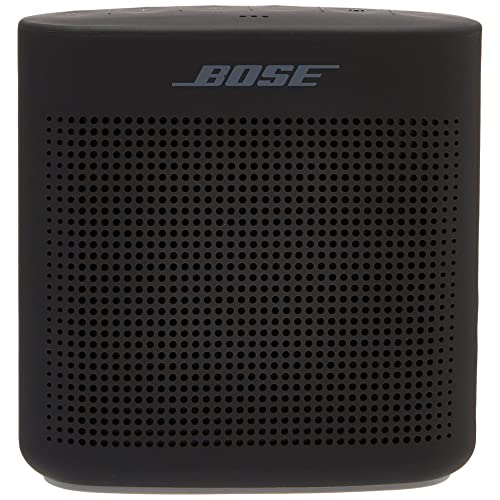
Bose SoundLink Color II Black Speaker
More On The Choices That Made The List
I favor the ROCKSTER AIR 2 when a garage doubles as a rehearsal space, small event venue, or workshop entertainment center. Its 58-hour battery removes the need for frequent charging, while portable construction lets me move the sound between the workbench and an open garage door.
The microphones and guitar inputs give it a clearer purpose than a standard music speaker. I see this model as the strongest fit for singers and musicians, although a permanently installed system serves a fixed listening area more neatly.
Useful Strengths
- The 58-hour runtime supports long project sessions and multi-event schedules.
- Microphone and guitar connections support vocals and instrument practice.
- Its power-bank function can replenish a connected mobile device.
- High-resolution, bass-focused playback suits a wide garage floor.
Practical Considerations
- A powerful portable speaker still needs a stable, unobstructed position for even coverage.
- Confirm the microphone and guitar connections match the intended equipment before setup.
Key Specs
Built With In Mind
Musicians, event hosts, and serious hobbyists gain the most from its long runtime and dedicated instrument connections.
Another Choice May Suit
The Plyee Active and Passive Wall Speakers suit homeowners who want permanent, wall-mounted garage audio instead of portable performance equipment.
The ROCKSTER CROSS feels like the more mobile option than the AIR 2, especially around wet floors, dusty projects, and outdoor work areas. IPX5 water resistance means it can handle splashes without making portability feel like a fragile proposition.
True stereo playback, a subwoofer, and a 16-hour battery make it practical for moving between a garage and a driveway. Its shorter runtime than the AIR 2 matters less for daily use, though weekend events may require a planned recharge.
Features That Help
- IPX5 water resistance suits damp workspaces and occasional spray.
- Cold resistance and shockproof construction support outdoor mobility.
- True stereo separation gives instruments and vocals distinct positions.
- The built-in subwoofer adds low-end weight for active workspaces.
- A power bank and included guitar strap improve portability.
Trade Offs
- Its 16-hour runtime is shorter than the AIR 2’s 58 hours and the GO 2’s 28 hours.
- The IPX5 rating addresses water exposure but does not provide the GO 2’s dust protection.
Made For
Mobile DIYers, weekend musicians, and homeowners working in damp or dusty garages get the most from its protective construction.
Look Elsewhere When
The ROCKSTER GO 2 better serves people who prioritize dust sealing and compact travel over true stereo separation.
The GO 2 addresses a different garage problem: keeping music close to the action without carrying a large system around. Its ultra-portable form works well for compact work areas, van projects, and trips where storage space matters.
Compared with the ROCKSTER CROSS, its IP67 protection adds dust resistance alongside water protection. That makes it a sensible option for sawdust, dirt, and changing outdoor conditions, although its up-to-28-hour runtime remains well below the AIR 2’s figure.
The Case For It
- IP67 protection handles both dust and water exposure.
- The compact form simplifies carrying and storage.
- Cold resistance and shockproof construction suit mobile use.
- Up to 28 hours of runtime covers most workdays and weekend projects.
Small Caveats
- Its smaller portable format may provide less coverage than a full-size garage speaker.
- Maximum runtime is an up-to figure, so heavy use may require more frequent charging.
Right Fit For
Travel-oriented DIYers and owners of compact workspaces benefit most from the combination of small size and IP67 protection.
Where A Sibling Pick Shines
The ROCKSTER AIR 2 fits musicians and event hosts who need longer runtime, microphone inputs, and guitar connectivity.

The Boom 2 brings a different emphasis to the lineup: high output and deliberately heavy bass. I see it as a natural choice for patios, campsites, and garages where music needs to travel across an open floor rather than fill one small corner.
Its dedicated subwoofer and BassUp 2.0 mode let listeners strengthen the low end as needed. Compared with the AIR 2, it offers less runtime and no instrument inputs, but the 80-watt specification suggests a more forceful approach to outdoor and workshop use.
Well-Handled Touches
- The 80-watt output is aimed at open spaces and shared project areas.
- A dedicated subwoofer produces deeper low-end response.
- BassUp 2.0 adds a selectable boost for bass-heavy material.
- Twenty-four hours of playback suits a full workday.
- The outdoor design fits patios, campsites, and garage doors.
Things To Consider
- Long all-day events may require a charging break despite the 24-hour figure.
- The bass emphasis may require careful placement near reflective garage walls.
Quick Facts
Best Suited To
Homeowners seeking powerful bass for an open garage, covered patio, or campsite benefit most from this configuration.
Swap It Out When
The Plyee Active and Passive Wall Speakers suit people who prefer permanent placement and auxiliary connectivity over battery-powered bass.
The Plyee system makes sense for a garage with a fixed listening wall. Active and passive speakers use separate powered and companion units, giving installers more placement options than a single portable speaker can offer.
Its 200-watt peak rating and 20-watt RMS output translate to a practical split between maximum output and continuous performance. RMS is a continuous-output measure, making it more useful than peak power for judging steady operation in a workshop or patio.
The Value In It
- Wall mounting keeps both speakers in a deliberate listening position.
- Active and passive components allow flexible placement across a room.
- Wireless connectivity supports music without a permanent signal cable.
- Auxiliary input provides another route for connected audio sources.
- The system suits both indoor and outdoor spaces.
Where It May Fall Short
- Installation is less convenient than carrying one battery-powered speaker to a workbench.
- Confirm the mounting positions, auxiliary source, and active-speaker power location beforehand.
Who It Suits Best
Homeowners with a dedicated garage wall or covered patio benefit most from a permanent two-speaker installation.
Consider Something Else When
The Soundcore Boom 2 by Anker fits mobile garages where flexible placement and cordless operation matter more than wall mounting.
The SoundLink Color II fits garages where portability and understated handling matter more than extreme output. Its small enclosure and silicone-textured exterior make it easy to move between a shelf, workbench, patio table, and poolside setting.
Water resistance adds useful protection for damp surroundings, while the microphone supports voice-focused use. Compared with the GO 2, its more compact casual design lacks an IP67 dust-and-water rating, so I would reserve the tougher model for dusty or exposed work sites.
Useful Highlights
- The portable shape simplifies storage and transport.
- Water-resistant construction suits damp locations.
- Silicone texture improves grip during handling.
- The built-in microphone adds voice functionality.
- Soft black finishes the understated enclosure cleanly.
Points To Note
- Water resistance does not make the speaker suitable for submersion.
- A single compact unit may cover less open floor space than the AIR 2 or Boom 2.
Feature Snapshot
The Right Fit
Casual listeners and apartment-style garage workspaces benefit from its compact size and straightforward portability.
Reach For A Different Pick When
The ROCKSTER CROSS suits harsher mobile conditions with stronger water resistance, stereo separation, and a subwoofer.
What Matters in a Garage Speaker Setup
Room Shape and Placement
A wide garage needs a speaker positioned away from workbenches, shelving, and parked vehicles that can absorb or block sound. I also account for concrete reflections, which can make bass seem stronger in some corners than others.
Power and Connection
Portable models need charging between demanding jobs, while mounted systems require a dependable outlet. Bluetooth handles everyday music, but an auxiliary input can help with equipment that lacks wireless connectivity.
Portability Versus Fixed Placement
A strap, power bank, and compact housing suit mobile work. Permanently mounted speakers reduce relocation effort and can distribute sound across a wider wall.
Bass and Practical Output
Extra bass helps in open spaces, yet reflective garage surfaces can make it tiring quickly. I prioritize balanced playback for regular listening and reserve stronger low-end emphasis for outdoor or entertainment settings.
Avoiding Garage Speaker Buying Errors
Common Shopping Slip Ups
Ignoring room size and wall placement can make a powerful speaker sound uneven. I compare battery life with the length of typical sessions and verify every cable or wall-mounting requirement before ordering.
What Separates Premium From Basic
Higher-tier models often add stronger output, longer runtime, better sealing, or specialized inputs. The extra cost matters only when the garage regularly needs one of those capabilities.
Frequently Asked Questions
Which Speaker Handles Garage Events Best?
The Fender x Teufel ROCKSTER AIR 2 suits garage events because it combines 58-hour runtime with microphone and guitar inputs. Its portable form also works well for moving between performance and project areas.
Do I Need a Permanently Mounted System?
A mounted system suits a fixed garage wall with a suitable outlet and placement. Portable speakers provide more freedom for moving sound around or carrying it to a patio or campsite.
Which Models Suit Damp Outdoor Areas?
The ROCKSTER GO 2 provides IP67 dust and water protection, while the ROCKSTER CROSS carries IPX5 water resistance. The Bose SoundLink Color II also uses a water-resistant design for lighter portable listening.
How Does Battery Runtime Affect Garage Use?
Longer runtime reduces interruptions during extensive projects or events. The AIR 2 leads this group with 58 hours, followed by the GO 2 at up to 28 hours and the Boom 2 at 24 hours.
Can I Connect a Guitar or Microphone?
The ROCKSTER AIR 2 includes dedicated microphone and guitar inputs. The other models emphasize general Bluetooth playback, portability, wall mounting, or bass rather than instrument connections.
Wrap Up
I would start with the ROCKSTER AIR 2 for performances and long sessions, the Plyee system for permanent installation, or the ROCKSTER GO 2 for compact travel. The Boom 2 fits bass-heavy outdoor use, while the Bose SoundLink Color II keeps things simple and compact. The right choice comes down to where the speaker will live and how it will be used.