
A wall-hugger recliner changes the room footprint by moving forward as it reclines instead of driving backward into a wall. I focus on compact models with useful power functions, adjustable support, and clear differences for apartments, bedrooms, RVs, and homes needing easier seating transitions. The best fit depends on seat size, wall gap, lift assistance, and the amount of open floor space available during movement.
The Shortlist At A Glance
MCombo HL128 Zero Wall Hugger Recliner (Blue)

HRVEOCEI Petite Power Lift Recliner with Massage, Heat & USB (Brown)
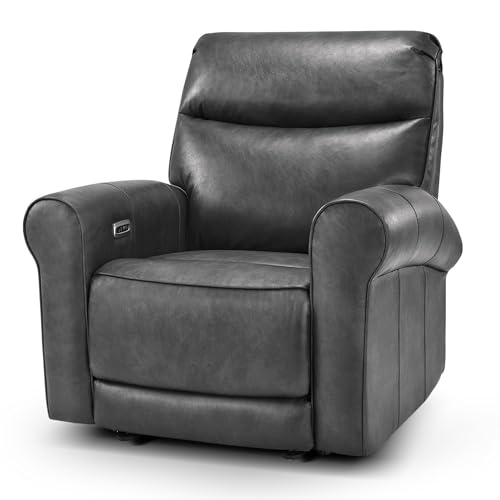
MCombo PR630 Wall Hugger Recliner with USB-C (Dark Grey, Medium)
MCombo 8015 Heat & Massage Recliner

EONIX Zero Wall Hugger Power Recliner

MCombo PR630 Extra-Wide Wall Hugger Recliner
What Each Pick Brings To The Table
The MCombo HL128 puts the wall-hugger advantage at the center of its design, allowing the chair to move forward during reclining rather than requiring open space behind it. That makes the blue model practical for an apartment, bedroom, or reading corner where a conventional recliner would feel too deep.
Its powered headrest adjusts from 0 to 90 degrees, which adds useful neck support while reading or watching television. A one-touch reset provides a straightforward way to return the chair upright, though I would still check the full movement path before placing it beside a table.
Everyday Wins
- The forward-moving wall-hugger design preserves space behind the chair.
- The adjustable 0-to-90-degree headrest supports different sitting positions.
- One-touch reset simplifies returning to the upright position.
- The blue upholstery adds color to a compact room without requiring a separate footrest.
Practical Considerations
- Measure the reclined position as well as the closed footprint, especially beside furniture.
- The wall-hugger mechanism reduces rear space needs but still requires enough open floor area in front.
Key Specs
Who It Suits Best
This model fits apartment residents, readers, and home-office occupants who want powered neck support without a deep traditional recliner footprint.
Where Another Pick Suits Better
The EONIX Zero Wall Hugger Power Recliner may suit petite users better because it is offered in Small and Small-Wide configurations.
Assistive seating takes priority in the HRVEOCEI Petite Power Lift Recliner, whose powered mechanism raises the chair to help a user stand and lowers it for seated use. Push-button operation and a single-motor layout keep the controls approachable, while the petite proportions suit rooms where a full-size lift chair would occupy too much space.
Massage, heat, a USB port, side pockets, and a high back create a comfortable chair for extended sitting. Unlike the wall-hugger models here, this chair prioritizes lift assistance rather than a forward-moving footprint, so its actual room impact depends on the lift path.
The Helpful Details
- The powered lift provides an easier transition between standing and sitting.
- A 155-degree recline offers a deep resting position for reading or relaxation.
- Heat and massage functions add comfort for long seated sessions.
- Side pockets, USB charging, and push-button controls keep essentials within reach.
Where It May Fall Short
- This is a lift chair rather than a dedicated wall-hugger design, making it less suitable for tight gaps behind furniture.
- The power lift needs a clear approach route and enough room for the chair to travel.
- Brown chenille and the high back suit traditional interiors more readily than minimalist decor.
Built With In Mind
People who need powered lift assistance and value simple controls benefit most from this compact brown recliner.
Consider Something Else When
The MCombo HL128 Zero Wall Hugger Recliner fits better for a small room where preserving the space behind the chair matters more than lift assistance.
The MCombo PR630 targets compact living rooms and RVs, where a chair that advances during reclining can make better use of limited floor space. Its 1.4-inch wall gap is particularly relevant when the chair must sit close to a wall, partition, or built-in cabinet.
One-touch operation moves the chair from 108 to 145 degrees, and the extended footrest supports a relaxed position. USB and USB-C ports add convenience for a home office or RV, while the dark grey faux-leather finish and rolled arms give it a more contemporary appearance.
What Helps Most
- The forward-sliding mechanism reduces the need for space behind the chair.
- USB and USB-C ports support convenient device charging.
- The 108-to-145-degree range covers upright viewing and deeper relaxation.
- Rolled arms and faux leather suit contemporary compact interiors.
- RV compatibility makes the model relevant beyond conventional apartments.
Points To Note
- The medium configuration may feel less accommodating than the 24-inch-seat MCombo PR630.
- The 1.4-inch wall gap is tight enough that outlet placement and wall alignment deserve attention.
Feature Snapshot
The Right Fit
RV occupants, remote workers, and apartment residents benefit most from the combination of a narrow wall gap and built-in charging.
Another Choice May Suit
The MCombo PR630 Extra-Wide Wall Hugger Recliner serves people who prioritize a 24-inch seat over this model’s medium configuration and charging ports.
The MCombo 8015 shifts attention from room-saving mechanics to relaxation. Its power recline reaches a 155-degree zero-gravity configuration, offering a full-body position for reading, unwinding after work, or settling in for an evening film.
Heat and massage add two distinct comfort functions, while the reinforced steel and wood frame provides a more substantial construction. The honest read is that this is a compact relaxation chair rather than a dedicated wall-hugger, so placement depends on its actual movement envelope.
Good Reasons To Consider
- The 155-degree zero-gravity position supports a deep, laid-back posture.
- Heat and massage provide focused relaxation features.
- Power adjustment makes changing positions easier than a manual recliner.
Factors To Consider
- Its wall position depends on the chair’s own movement path, which differs from a forward-sliding wall-hugger.
- Heat and massage add controls and functions that may matter less to someone focused solely on saving floor space.
- The 155-degree position needs adequate space in front during reclining.
Best Suited To
Home occupants who spend long periods reading, watching television, or relaxing benefit most from the heat, massage, and zero-gravity positioning.
Look Elsewhere When
The MCombo PR630 Extra-Wide Wall Hugger Recliner is the better fit for a tight room that specifically requires a forward-moving mechanism and a wide seat.
The EONIX Zero Wall Hugger Power Recliner is designed around people who want a snug seat without a sprawling footprint. Small and Small-Wide configurations give studio residents and petite users a more useful size choice than a single compact chair can offer.
That sizing focus makes it practical for a bedroom, studio apartment, or compact reading corner where a large recliner would dominate the floor area. The white finish also gives the chair a light visual profile, though the selected size remains more important than color in a very small room.
Strong Points
- Small and Small-Wide options support a closer fit for petite users.
- The wall-hugger mechanism reduces the space needed behind the chair.
- Power operation makes reclining more convenient than a manual mechanism.
Small Limitations
- The chair is intentionally snug, so the Small version may not suit anyone wanting a roomy seat.
- The exact footprint of the chosen size should be measured before arranging nearby furniture.
Technical Notes
Who Will Love This
Petite users, studio residents, and people creating a dedicated reading corner benefit most from the compact sizing options.
Swap It Out When
The MCombo HL128 Zero Wall Hugger Recliner better serves anyone who wants a powered adjustable headrest for reading and television viewing.
The MCombo PR630 Extra-Wide Wall Hugger Recliner balances a 24-inch seat with a compact 1.4-inch gap behind the chair. That combination suits a living room or bedroom where a broad seat is welcome but the room cannot support a traditional recliner’s rearward movement.
Compared with the medium MCombo PR630 Wall Hugger Recliner with USB-C, this version emphasizes seating width rather than built-in charging. The result may feel less compact across the room, yet it offers a useful answer for tall or broad users who find many recliners too narrow.
Where It Helps
- The 24-inch seat provides more room than a standard compact chair.
- A 1.4-inch wall gap allows close placement along a wall.
- The forward-moving mechanism preserves space behind the recliner.
- Power reclining removes the need to pull a manual release by hand.
Trade Offs
- The extra-wide seat can make the chair feel larger inside a genuinely compact room.
- Charging ports are less prominent than those on the medium MCombo PR630.
Core Details
Whose Seat It Fits
Tall adults, broad users, and households wanting a roomy chair in a compact living room benefit most from the 24-inch seat.
A Better Fit Elsewhere
The MCombo PR630 Wall Hugger Recliner with USB-C fits apartments and RVs where charging access and a medium seat matter more than extra width.
What Matters In A Compact Recliner
Measure The Full Motion
A wall-hugger reduces the space needed behind the chair, but it still needs room to extend its footrest and shift forward. I measure the room in both positions, including the route from an upright seat to full recline, rather than relying on the closed dimensions alone.
Separate Lift From Recline
A power lift changes the entire seating transition by raising the chair for standing. The HRVEOCEI model serves that purpose, while the MCombo options concentrate on reclining and compact placement, so these functions should not be treated as interchangeable.
Match Seat To Room
The EONIX models address compact seating, while the 24-inch MCombo PR630 prioritizes width. A larger seat can still fit a small room, but the chair may occupy more lateral space and feel less visually compact than a petite model.
Check Everyday Extras
An adjustable headrest, massage, heat, and charging ports can be worthwhile, though each adds a distinct use case. I prioritize the feature that solves a daily problem rather than treating extra functions as automatic improvements.
Two Details That Change The Decision
Mistakes Worth Dodging
The most common error is measuring only the chair’s closed position while ignoring the reclined footprint. Another mistake is assuming every powered recliner is a wall-hugger, since lift chairs and compact models use different movement systems. Seat width, wall gap, and available floor space deserve separate checks.
What Separates Premium From Basic
A higher-tier model may provide a wider seat, adjustable headrest, better reclining range, charging, or added comfort functions. The upgrade is worthwhile only when that feature changes a regular use, such as shared seating in a compact room or powered neck support during long reading sessions.
Frequently Asked Questions
How Does A Wall-Hugger Recliner Save Space?
A wall-hugger moves forward as it reclines instead of pushing backward into the wall. The open space shifts toward the front of the chair, which helps in apartments, bedrooms, and RVs.
How Much Space Is Needed Behind These Recliners?
The MCombo PR630 models require a 1.4-inch wall gap, while the HL128 uses a zero-wall-hugger arrangement. Furniture placement and the chair’s front movement still need to be considered.
Are Lift Recliners Also Wall Huggers?
No, a lift chair and a wall-hugger describe different functions. The HRVEOCEI Petite Power Lift Recliner assists with standing, whereas wall-hugger models focus on reducing the space required behind the seat.
Which Model Works Best In An RV?
The MCombo PR630 Wall Hugger Recliner with USB-C is designed with compact RV living spaces in mind. Its narrow wall gap, medium size, and charging ports support a practical mobile setup.
Which Option Has The Widest Seat?
The MCombo PR630 Extra-Wide Wall Hugger Recliner has a 24-inch seat. It suits larger users who still need a forward-moving mechanism in a compact room.
Wrap Up
The MCombo HL128 stands out for adjustable head support, while the HRVEOCEI model serves people who prioritize powered lift assistance. The medium and extra-wide PR630 options cover compact RV use and roomy seating, and the EONIX model focuses on petite dimensions. I would choose by measuring the room first, then matching the chair’s movement system and seat width to the daily routine.