
A sewage pump earns its place when a basement pit contains wastewater, effluent, or solids that need dependable removal. The right model depends on your basin, discharge plumbing, electrical setup, and the kind of debris entering the pit. These options cover grinder systems, complete ejector assemblies, cast iron submersible pumps, and compact sump units for different household demands.
The Main Contenders
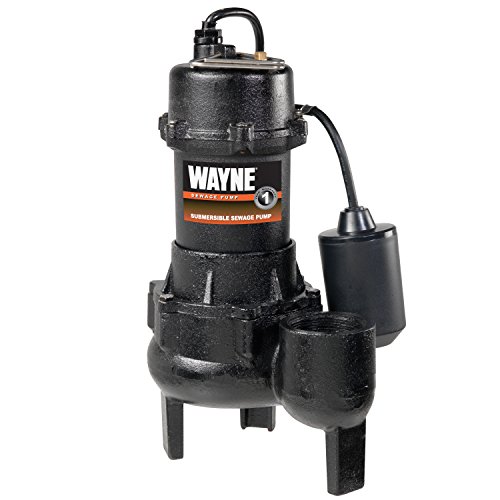
WAYNE RPP50 1/2 HP Cast Iron Sewage Pump

Aquastrong 1HP Sewage Grinder Pump

Flotec FP400C Sewage Ejector Pump
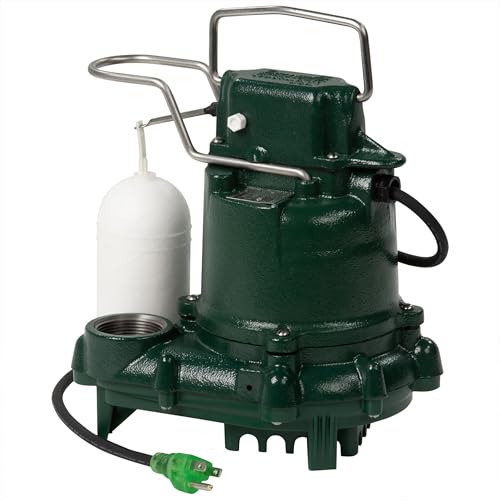
Zoeller M53 Mighty-mate Pump

Zoeller M98 Flow-Mate 1/2 HP Cast Iron Vortex Pump with LED Plug
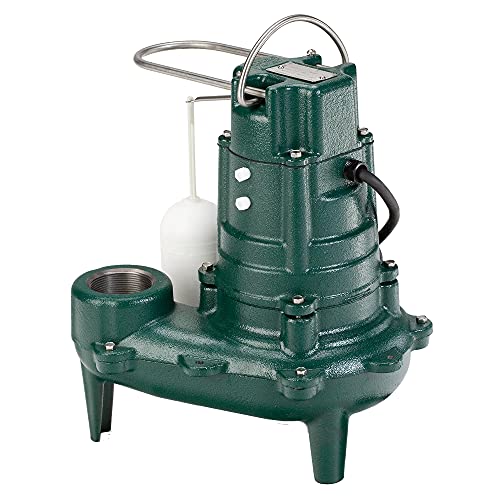
Zoeller Waste-Mate 267-0001

Little Giant 10SC-CIA-SFS Pump
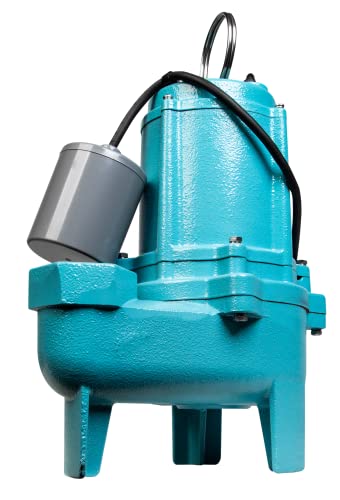
Little Giant 9SC-CIA-RF 4/10 HP 115V Sewage Pump with Tethered Float
A Breakdown Of The Leading Choices
The WAYNE RPP50 brings substantial pumping capacity to a basement sewage pit without requiring a new basin layout. Its cast iron motor and housing suit demanding below-grade installations, while the 2-inch discharge can pass solids up to 2 inches across.
A piggyback tether switch gives you automatic operation or manual control, depending on your setup. For a household replacing an existing half-horsepower sewage pump, this may be the least disruptive path, provided the 18-inch basin and discharge requirements align.
What It Does Well
- The 1/2 HP motor moves up to 6,200 gallons per hour.
- Cast iron construction suits heavy-duty pit service.
- The tether switch supports automatic or manual control.
- Its 2-inch discharge handles solids up to 2 inches.
Practical Considerations
- Your sewage basin must measure at least 18 inches in diameter.
- Confirm that the existing 2-inch discharge connection matches your plumbing.
Core Details
Made For
This model suits homeowners replacing a half-horsepower pump in an existing basin with compatible 2-inch plumbing.
A Better Fit Elsewhere
AQUASTRONG 1HP Sewage Grinder Pump fits installations where tougher debris needs cutting rather than simple solid passage.
A grinder pump uses a rotating cutting blade to reduce solids before they enter the discharge line. That makes the AQUASTRONG 1HP model a practical fit for sewage containing clothing, wipes, hair, or other debris that can trouble a conventional impeller.
The stainless steel housing and cast iron base create a rugged combination for basement pits and commercial wastewater work. Depending on your debris load, the added cutting capability may be more valuable than the greater flow of a standard sewage pump.
The Upside
- The stainless steel blade breaks down stubborn solids.
- A 1 HP motor reaches 3,962 gallons per hour.
- Maximum head reaches 46 feet vertically.
- Thermal overload protection guards the motor.
- The adjustable tether switch supports automatic operation.
Trade Offs To Consider
- Do not use it in gasoline, alcohol, or biogas-filled septic tanks.
- The 2-inch discharge and 19-foot cord require installation planning.
- Grinding creates a more specialized mechanism than a standard impeller.
Quick Facts
Right Fit For
This model suits homeowners and operators dealing with frequent fibrous or bulky debris in a wastewater basin.
Where A Sibling Pick Shines
WAYNE RPP50 1/2 HP Cast Iron Sewage Pump offers a simpler pass-through design for solids within its 2-inch rating.
The Flotec FP400C arrives as a coordinated sewage ejector system rather than a loose pump. Its 30-gallon basin, lid, check valve, float switch, and 8-foot cord cover several connected installation parts in one package.
That arrangement suits a basement with a below-grade toilet, laundry facilities, or another location where gravity cannot carry wastewater to the main sewer. The pump can move 2-inch solids through its vortex impeller, a design that uses circulating water to help keep the passage clear.
Good Reasons To Consider
- The included basin simplifies system planning.
- It handles solids up to 2 inches.
- Maximum pumping capacity reaches 5,250 gallons per hour.
- Corrosion-resistant construction suits wet installations.
- The automatic float switch controls operation.
Some Limits To Know
- The 30-gallon basin determines the available installation footprint.
- Grommets accept 4-inch inlet PVC and 2-inch discharge or vent PVC.
Built With In Mind
This system fits installers planning a below-grade toilet or laundry drain with compatible PVC connections.
Another Choice May Suit
Little Giant 10SC-CIA-SFS Pump suits installations that already have a suitable basin and need only a submersible pump.
The Zoeller M53 Mighty-mate is built for ordinary sump-pit drainage rather than a grinder-pump installation. Its 1/3 HP motor, automatic float switch, and vortex impeller make it a sensible fit where the pit receives water without a heavy load of sewage solids.
Cast iron construction covers the switch case, motor, and pump housing, while the plastic base provides a different material at the base. For your basement, the compact motor size may be enough, though an ordinary sump application should not be confused with a dedicated sewage system.
A Strong Showing
- The 1/3 HP motor suits moderate sump-pit drainage.
- Automatic float operation reduces manual control.
- The vortex impeller supports smooth water movement.
- Cast iron covers the motor and housing.
Points To Keep In Mind
- No sewage or solid-passing rating is listed.
- Use it for ordinary sump water rather than debris-heavy effluent.
Feature Facts
Who It Suits Best
This pump suits homeowners with a standard sump pit handling water that does not require sewage-solids capability.
Swap It Out When
Zoeller Waste-Mate 267-0001 is the better choice for wastewater carrying solids up to 2 inches.
The Zoeller M98 Flow-Mate steps up to 1/2 HP for sump-pit movement, with a vortex impeller that creates a circulating flow pattern. That makes it a better match for higher-volume sump work than the smaller M53 Mighty-mate.
Its LED power plug gives you an immediate visual indication that the outlet is energized, a small convenience during a basement check. The oil-filled motor also supports heat dissipation, while the automatic snap-action float handles water-level changes.
The Helpful Details
- The 1/2 HP motor provides greater capacity than the M53.
- Cast iron housing suits a wet pit environment.
- The LED plug makes power status easier to see.
- A 9-foot cord supports common basement outlet placement.
Details To Watch
- This is a sump pump, not a grinder pump.
- Confirm your discharge size and basin depth before installation.
Made For
This model suits households needing a higher-output automatic sump pump with visible power indication.
Look Elsewhere When
Flotec FP400C Sewage Ejector Pump better serves a below-grade toilet or laundry installation needing a complete basin system.
The Zoeller Waste-Mate 267-0001 brings 1/2 HP power to a dedicated sewage, effluent, or dewatering duty. It can pass 2-inch spherical solids, giving it a practical advantage over ordinary sump pumps when larger wastewater debris enters the pit.
Its float-operated design uses a two-pole mechanical switch, while the vortex impeller keeps wastewater moving through the discharge path. For residential or commercial installations, the ASTM Class 25 cast iron switch case adds a substantial material choice at the control housing.
What Works In Its Favor
- The 1/2 HP motor supports sewage and dewatering work.
- It passes spherical solids up to 2 inches.
- Automatic float operation simplifies daily use.
Possible Compromises
- The plastic impeller passes solids rather than grinding them.
- Mechanical float operation needs appropriate basin clearance.
- Match the discharge plumbing before ordering the pump.
Important Details
Best Suited To
This pump suits residential and commercial pits that handle sewage solids within a 2-inch limit.
Reach For A Different Pick When
AQUASTRONG 1HP Sewage Grinder Pump fits setups where fibrous debris calls for active cutting.
The Little Giant 10SC-CIA-SFS is a 1/2 HP automatic pump intended for sewage, effluent, and dewatering transfer. Its application range includes residential, commercial, industrial, and agricultural settings, so it suits light-to-medium transfer work with a properly sized basin.
Automatic operation removes the need for someone to switch the pump manually as the pit fills. The 115-volt configuration also fits standard residential power, although the discharge, solids rating, and float arrangement still need to match the installation.
Notable Gains
- The 1/2 HP motor supports sewage and effluent transfer.
- Automatic operation simplifies continuous pit drainage.
- The 115V configuration suits standard residential circuits.
Trade-Offs To Consider
- Confirm the solids rating against the wastewater entering your pit.
- Match the float arrangement and basin depth before installation.
The Right Fit
This model suits operators needing a dependable automatic pump for moderate sewage, effluent, or dewatering transfer.
A Better Fit Elsewhere
Little Giant 9SC-CIA-RF 4/10 HP 115V Sewage Pump with Tethered Float offers stated 2-inch solids handling and defined switch levels.
The Little Giant 9SC-CIA-RF combines 6,000 gallons per hour of stated capacity with a 4/10 HP motor for sewage and effluent removal. It can pass solids up to 2 inches, making it more capable than a basic water-removal sump pump.
Its piggyback tethered float starts the pump at a 16-to-19-inch liquid level and stops it at 9 to 11 inches. Those defined operating levels help you judge whether the switch will fit your pit, while the 20-foot cord offers more placement reach.
Positive Takeaways
- It handles solids up to 2 inches across.
- The tethered float provides adjustable placement.
- Stated capacity reaches 6,000 gallons per hour.
- Epoxy-coated cast iron suits wet pit service.
Things That May Matter
- The 20-foot cord may not reach a nearby outlet.
- Check the stated switch range against your basin depth.
Technical Highlights
Who Will Love This
This pump suits homeowners with a compatible 2-inch discharge and a pit deep enough for its stated float cycle.
Consider Something Else When
Zoeller M53 Mighty-mate Pump fits ordinary sump drainage where sewage solids handling is unnecessary.
Matching Pumps to Basement Systems
Start With the Wastewater
A sewage pump handles wastewater carrying solids, while a standard sump pump is intended primarily for water moving through a sump pit. Check what actually enters the basin before choosing a mechanism, especially where clothing, wipes, or hair may reach the pump.
Compare Solids Handling
Pass-through pumps move solids within their stated size limit. Grinder pumps add a cutting mechanism for fibrous or bulky debris, which can suit demanding systems but calls for a dedicated discharge and appropriate maintenance plan.
Check the Basin and Float
Basin diameter, depth, inlet placement, and discharge height determine whether the pump will sit and operate correctly. A tethered float gives you adjustment room, but its switching range still needs to fit within the usable space of the pit.
Match Power and Plumbing
Verify the pump’s voltage, motor output, discharge size, cord length, and pipe compatibility before ordering. A 2-inch discharge is common across several choices here, yet the basin, switch, and required lift still need to support the complete installation.
Avoiding Costly Pump Mismatches
Mistakes Worth Dodging
Choosing by horsepower alone can leave you with a pump that lacks the right solids capability, float range, or discharge connection. Measure the basin and plumbing before selecting a model, and separate ordinary sump drainage from sewage handling.
What Separates Premium From Basic
A higher-tier grinder pump adds cutting hardware, corrosion-resistant components, and a larger motor, while basic models rely on passage through a standard impeller. The added mechanism is worthwhile when debris repeatedly reaches the pit, not merely when a larger power figure looks attractive.
Frequently Asked Questions for Sewage Pumps
What is the difference between a sump pump and a sewage pump?
A sump pump primarily moves water from a pit, while a sewage pump is designed to handle wastewater and solids. Choose the sewage-rated model whenever the pit receives effluent or solid waste.
Do sewage pumps need a float switch?
Most automatic sewage pumps use a float switch to start and stop as the water level changes. Manual operation is possible with some piggyback tether designs, but automatic control is more practical for routine drainage.
Can a sewage pump handle wipes?
A grinder pump can reduce wipes and other fibrous debris before discharge, while a standard sewage pump relies on its stated solids passage. Match the pump to the debris that actually enters your pit.
What size discharge pipe should a sewage pump have?
The discharge must match the pump’s connection and your existing plumbing. Several options in this roundup use a 2-inch discharge, while basin configuration and available vertical lift still need to be checked.
How do I know whether the float switch fits my pit?
Compare the switch’s stated on and off levels with the basin depth and normal water range. A tethered float offers placement flexibility, but it cannot correct a basin that is too shallow for the required operating cycle.
Closing Remarks
The right sewage pump depends less on a single headline specification than on the waste, basin, plumbing, and power at your property. Grinder models suit stubborn debris, ejector systems simplify below-grade installations, and standard sewage pumps cover solids within their stated limits. Match the mechanism to the mess, then check every connection before the pump goes into the pit.