
A sewage pump earns its place in the harshest corner of a home, where a failed discharge can leave standing wastewater in a basement or below-grade basin. The right unit depends on your basin size, discharge layout, electrical setup, and the kind of solids entering the system. Some handles ordinary sewage, some grind stubborn debris, and a few are complete ejector systems rather than standalone replacements.
A Fast Comparison Of The Options
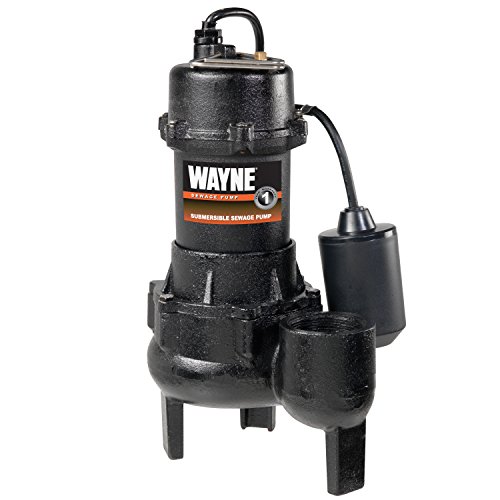
WAYNE RPP50 1/2 HP Cast Iron Sewage Pump with Tether Float Switch

Aquastrong 1HP Sewage Grinder Pump 115V

Flotec FP400C Sewage Ejector Pump
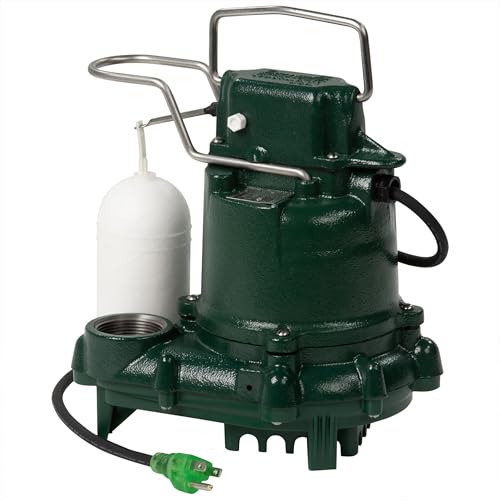
Zoeller M53 Mighty-mate Submersible Sump Pump

Zoeller M98 Flow-Mate 1/2 HP Cast Iron Sump Pump

Honda WB20 2-Inch Gas-Powered Water Pump

Honda WX10 1-Inch Gas-Powered Water Pump
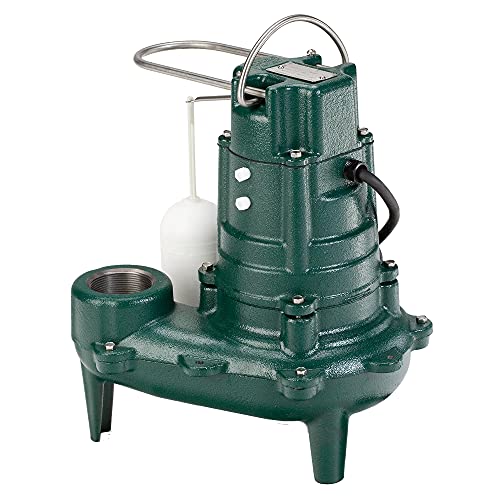
Zoeller Waste-Mate 267-0001 1/2 HP Automatic Pump
The Picks, Examined More Closely
A basement sewage pit can expose a replacement pump to moisture, debris, and demanding service, and the WAYNE RPP50 approaches that job with a 1/2 HP motor and cast iron housing. Its listed capacity reaches 6,200 gallons per hour at a five-foot lift, giving it considerable pumping reach for a below-grade installation.
The piggyback tether float switch controls automatic or manual operation, so this unit can fit an existing basin arrangement. Compared with the Aquastrong grinder pump, the RPP50 passes solids without a grinding stage, which keeps the mechanical design more direct but leaves tougher debris for the basin and discharge line.
A Few Strong Suits
- The 6,200-gallon-per-hour rating supports high-flow sewage removal.
- Cast iron suits wet, abrasive basement environments.
- The replaceable tether switch offers automatic or manual control.
- A 2-inch NPT discharge matches common sewage plumbing.
- Basins measuring 18 inches or larger fit the stated layout.
Worth Noting
- The pump can pass 2-inch solids, but it does not grind them.
- Its five-foot lift and 18-inch basin requirement need checking against your pit.
Technical Sheet
Built With In Mind
This pump fits property owners replacing a cast-iron sewage unit in a large below-grade basin with standard 2-inch plumbing.
Where A Sibling Pick Shines
The Aquastrong 1HP Sewage Grinder Pump 115V suits installations where clothing, wipes, or hair make solid handling the main concern.
A grinder pump adds a cutting stage to the usual sewage-pump layout, making the Aquastrong 1HP model relevant to homes where wipes, hair, clothing, and other debris regularly reach a basement basin. Its stainless steel blade breaks down solids before they travel through the discharge path.
Maximum output is listed at 3,962 gallons per hour with a 46-foot head, or vertical lift, giving it more height capability than the WAYNE RPP50. That added power and grinding action come with a more specialized installation, so the basin, discharge, and cord route deserve careful planning.
Features That Help
- The stainless steel grinder reduces the size of troublesome solids.
- A 46-foot maximum head suits deeper discharge layouts.
- Thermal overload protection guards the motor during dry operation.
- The adjustable tether switch responds to basin water levels.
- A 19-foot cord supports more flexible placement in larger pits.
- The included 2-inch hose adapter simplifies discharge connection.
Practical Considerations
- Do not place this pump in gasoline, alcohol, or biogas-filled septic tanks.
- Shorten the float-switch cable to match basin depth and freezing conditions.
- The 115-volt power requirement needs a suitable grounded connection.
Key Product Details
The Right Fit
This grinder pump fits homeowners with a 115-volt circuit and a wastewater system that regularly receives fibrous or bulky solids.
Another Choice May Suit
The WAYNE RPP50 1/2 HP Cast Iron Sewage Pump better fits a straightforward large-basin replacement where a grinding mechanism is unnecessary.
Installing a toilet or laundry sink below sewer grade calls for an ejector system, and the Flotec FP400C packages the major components into one basin-based arrangement. The included 30-gallon basin, lid, pump, check valve, float switch, and eight-foot cord reduce the number of separate parts you must source.
Its pump handles solids up to 2 inches and reaches a listed maximum of 5,250 gallons per hour. Unlike a standalone sewage pump, this arrangement is intended to collect wastewater in the basin before pumping it upward, making it more relevant to a full installation than a simple replacement.
Useful Touches
- The complete package includes the basin, pump, valve, switch, and lid.
- A 30-gallon basin provides the collection chamber for the ejector arrangement.
- The automatic float switch controls water-level activation.
- Grommets accept 4-inch inlet PVC and 2-inch discharge or vent PVC.
- Corrosion-resistant construction suits a damp installation area.
Trade Offs
- The 30-gallon basin requires substantial below-grade space.
- Its 4-inch inlet grommets require matching pipe dimensions.
Made For
This system fits a below-grade bathroom or laundry installation where a complete basin-and-ejector layout is being planned.
Look Elsewhere When
The Zoeller M98 Flow-Mate 1/2 HP Cast Iron Sump Pump suits a standard sump pit that needs water removal without a toilet or laundry ejector basin.
A smaller residential sump pit does not always need the grinding or high-head arrangements built into larger sewage systems. The Zoeller M53 Mighty-mate uses a 1/3 HP motor, automatic float operation, and a compact submersible layout suited to ordinary sump-water removal.
Its vortex impeller uses a spinning, funnel-shaped flow pattern to move water, while the cast iron motor and switch housing provide a sturdier core than the plastic base. Compared with the Honda WX10, it is designed for a fixed, submerged installation rather than portable transfer work.
Benefits That Matter
- Automatic float control suits routine sump installations.
- The 1/3 HP motor offers a compact starting point for ordinary sump water.
- Cast iron covers the switch case, motor, and pump housing.
Less Ideal Details
- This is a sump pump, not a grinder for sewage solids.
- The plastic base and 1/3 HP motor make it less suited to heavy wastewater debris.
- It does not provide a complete ejector basin for a below-grade toilet.
Quick Facts
Who It Suits Best
This model fits homeowners dealing with ordinary sump water in a compact residential pit.
Reach For A Different Pick When
The Flotec FP400C Sewage Ejector Pump serves a different need, supplying a basin and ejector arrangement for a below-grade toilet or laundry facility.
The Zoeller M98 Flow-Mate steps up from the M53 with a 1/2 HP motor, an oil-filled motor housing, and a power plug with an LED indicator. That light gives you a quick way to confirm electrical power at the receptacle, a useful detail during installation and routine checks.
Its cast iron housing and vortex impeller make it more appropriate for demanding sump work than a lightweight plastic pump. The built-in snap-action float switch handles automatic operation, while the nine-foot cord and stainless steel hardware round out a practical fixed installation.
The Helpful Details
- The LED power plug makes powered status easy to identify.
- Oil-filled motor construction supports heat dissipation.
- Cast iron construction suits a substantial sump installation.
- Stainless steel hardware resists corrosion in the pump housing area.
- The snap-action float switch provides automatic operation.
Possible Compromises
- This remains a sump pump rather than a solids-grinding sewage unit.
- The nine-foot cord may be short for a larger or deeper pit layout.
Who Will Love This
This model suits a homeowner who wants automatic sump pumping, a cast iron housing, and a visible power indicator in a fixed residential pit.
Skip It When
The Aquastrong 1HP Sewage Grinder Pump 115V fits installations where fibrous solids require grinding rather than simple sump-water movement.
Draining a pool, moving irrigation water, or transferring water around a construction site calls for volume rather than a compact sump installation. The Honda WB20 pairs a 2-inch connection with a listed flow rate of 164 gallons per minute, making it suited to larger clean-water jobs.
Its strainer allows solids up to 5/16 inch through, and the gasoline-powered Honda OHV engine removes dependence on a nearby electrical outlet. That makes it useful outdoors, though it is a water-transfer pump rather than a sewage pump with a solids-handling mechanism.
The Case For It
- The 164-gallon-per-minute rate supports substantial transfer volume.
- A 2-inch connection suits larger hoses and discharge lines.
- The strainer accepts solids up to 5/16 inch.
- Gasoline power supports remote outdoor work.
- The engine works for pools, agriculture, construction, and landscaping.
Where It May Fall Short
- It is designed for water transfer rather than sewage solids.
- The engine adds weight, fuel storage, and maintenance considerations.
Feature Breakdown
Whose Shelf It Belongs On
This pump fits property owners and tradespeople who need high-volume clean-water transfer at pools, farms, or construction sites.
Swap It Out When
The Flotec FP400C Sewage Ejector Pump is the more relevant option for a fixed below-grade toilet or laundry system.
Some outdoor jobs need more lift than a submersible sump pump can offer, and the Honda WX10 provides a listed total head of 121 feet. That vertical reach makes it useful for pond drainage, pool emptying, or moving water to a higher irrigation point without a nearby outlet.
The trade-off is capacity and portability. Its 32-gallon-per-minute flow is much lower than the WB20’s 164-gallon-per-minute rate, while the 1-inch connection is easier to manage around garden hoses and compact transfer lines. For modest volumes and substantial elevation, that balance makes sense.
A Favorable Mix
- The 121-foot head supports substantial vertical lift.
- Self-priming operation suits portable transfer work.
- Regular gasoline powers outdoor operation.
- The 1-inch connection suits garden and pond equipment.
- Honda’s compact four-stroke engine platform suits portable use.
Some Limits To Know
- The 32-gallon-per-minute rate is lower than the WB20’s.
- This clean-water transfer pump is not a sewage pump.
Made For
This model fits gardeners, boat owners, and homeowners needing moderate water volume with considerable lift.
Consider Something Else When
The Honda WB20 2-Inch Gas-Powered Water Pump suits larger transfer jobs where flow rate matters more than portability and head height.
The Zoeller Waste-Mate 267-0001 gives a standard sewage-pit replacement a familiar 1/2 HP format, with automatic operation and a float switch built in. It is designed to move wastewater containing spherical solids up to 2 inches, making it a practical fit for residential and commercial sewage or dewatering duties.
A plastic impeller keeps the moving assembly separate from the cast iron switch case, while the two-pole mechanical float and non-clogging vortex design support automatic service. Unlike the Aquastrong grinder pump, it passes solids rather than cutting them, so debris remains a consideration for the discharge path.
Real Benefits
- Automatic float operation simplifies normal basin management.
- The 1/2 HP motor balances sewage handling with a familiar format.
- Two-inch spherical solids can pass through the pump.
- Residential and commercial applications give it broad utility.
- The cast iron switch case provides a durable housing foundation.
Details To Watch
- The plastic impeller does not provide a grinding function.
- Your discharge and basin dimensions must accommodate the installation.
Core Details
Right Fit For
This pump fits owners replacing an automatic 1/2 HP sewage unit in a compatible residential or commercial basin.
Look Elsewhere When
The Aquastrong 1HP Sewage Grinder Pump 115V better serves a system where fibrous solids need cutting before discharge.
Matching A Sewage Pump to Your Installation
Identify the waste entering the pit
A sump pump handles water and relatively light debris, while a sewage pump is designed to move larger solids. A grinder pump adds a cutting mechanism for clothing, wipes, hair, and other material that can snag a conventional impeller. Match the pump to the incoming waste, not merely the basin depth.
Check the complete discharge route
Confirm the discharge diameter, vertical lift, horizontal run, and pipe compatibility before selecting a unit. A 2-inch connection offers a direct match for many sewage systems, while the 1-inch Honda WX10 serves smaller clean-water transfer arrangements. The pump’s rated head and flow also matter under real plumbing conditions.
Measure the basin and route the cord
Leave room for the pump, discharge, switch, and service access without blocking the basin opening. Cord length, float-switch adjustment, and the location of a grounded outlet can shape the installation more than the motor size. Tether switches need enough cable to reach the intended water level without leaving the float obstructed.
Separate fixed systems from portable transfer
The Honda models are gasoline-powered water-transfer pumps, not sewage pumps. They suit pool draining, ponds, landscaping, and remote work where a fixed electrical supply is unavailable. A basement toilet, laundry sink, or sewage pit calls for a submersible sewage, ejector, or grinder arrangement instead.
Common Traps Before Installation
Mistaking clean water for sewage
A general-purpose transfer pump can move clear water without handling the solids associated with a household sewage system. Check the product category and solid-handling rating before connecting anything to a wastewater basin.
Ignoring pipe and basin dimensions
Discharge diameter, inlet openings, float placement, and available basin space determine whether a pump will fit. Measure the existing plumbing rather than assuming a familiar thread or opening size will match.
What The Higher Tier Buys
More specialized solids handling
A grinder pump adds cutting hardware for troublesome debris, while a standard sewage pump passes solids through a less complex impeller arrangement. The added machinery suits systems with recurring wipes, hair, or clothing, but it is unnecessary for straightforward water removal.
Greater power or greater reach
The Aquastrong 1HP model emphasizes grinding and a 46-foot head, while the gasoline-powered Hondas trade a fixed installation for portability and high lift. Paying for more capability makes sense only when your waste, vertical rise, or remote operating location justifies it.
Frequently Asked Questions
What is the difference between a sump pump and a sewage pump?
A sump pump primarily removes water and lighter debris from a drainage pit. A sewage pump is built to handle wastewater and larger solids that may reach the discharge side.
Do sewage pumps need a float switch?
Most automatic sewage pumps use a float switch to start at a set water level and stop after the basin empties. The tether or mechanical float must be positioned for the actual depth of your basin.
Can a grinder pump handle wipes and hair?
A grinder pump uses a cutting blade to break down material such as wipes, hair, and clothing before it enters the discharge path. Its effectiveness still depends on proper installation and a clear discharge route.
Are gasoline-powered water pumps suitable for sewage?
The Honda WB20 and WX10 are general-purpose water-transfer pumps, not sewage systems. They are better suited to clean water, pool draining, ponds, irrigation, and similar transfer work.
What pipe size should a sewage pump have?
Many residential sewage systems use 2-inch discharge plumbing, but your existing layout is the deciding factor. Confirm the pipe diameter, fittings, check valve, vent connections, and available lift before ordering.
Final Verdict
Start with the waste your system receives, then match the pump to the basin, discharge, and power supply. The WAYNE RPP50 and Zoeller Waste-Mate suit conventional sewage pumping, the Aquastrong model addresses difficult solids, and the Flotec system handles a complete ejector installation. Choose carefully, and your setup will be better matched to the job.