
A septic tank pump can turn a routine maintenance job into a serious mess, especially when solids, wastewater, or standing water need to move quickly. You need enough flow and vertical lift for the installation, a grinder for fibrous waste, or a utility pump for cleaner water transfer, and the right automatic controls to keep the job under control. The eight options below cover those distinct jobs, from compact pond draining to full sewage handling.
A Closer Look At The Lineup

Cleartide 2160 GPH Submersible Utility Pump with 25-Ft Drain Hose

Cleartide 1 HP 4500 GPH Submersible Utility Water Pump

Little Giant 10SC-CIA-SFS 1/2 HP Pump

Little Giant 1 HP Cast Iron Grinder Pump, Blue
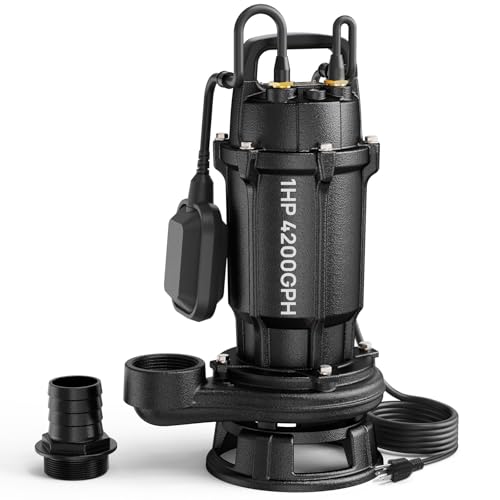
AQUASTRONG 1 HP 4200 GPH Grinder Pump
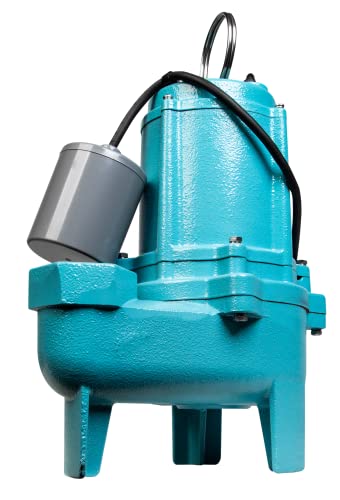
Little Giant 9SC-CIA-RF 6000 GPH Sewage Pump with Float Switch

Cleartide 2760 GPH Submersible Utility Water Pump
Cleartide 2400 GPH Submersible Utility Water Pump
Meet The Standout Selections
A basement drain, pond, or hot tub can leave you reaching for a hose and hoping the pump handles the remaining water. This Cleartide package pairs a 1/4 HP submersible pump with a 25-foot, 1.5-inch drain hose, so the basic transfer setup is already close at hand.
Its 2,160 GPH maximum flow suits clean or lightly debris-laden water, not fibrous sewage. Compared with the Little Giant sewage pumps later in this lineup, its main advantage is the complete hose-and-fitting package rather than stronger waste handling.
Good Reasons To Consider
- The included 25-foot hose supports longer discharge runs.
- Maximum flow reaches 2,160 GPH with a 28-foot maximum head, meaning vertical lift.
- Operation continues at a 1/5-inch water depth for shallow-pool draining.
- Dual outlets accept NPT pipe threads and garden-hose connections.
- Solid handling extends to 1/8-inch debris.
Trade Offs
- This is a utility pump, so wipes and other fibrous solids call for a grinder model.
- The 10-foot power cord limits reach near remote ponds.
Key Specs
Made For
You benefit most when a complete, portable setup for ponds, pools, hot tubs, or clean-water basement drainage matters more than sewage grinding.
Where A Sibling Pick Shines
The AQUASTRONG 1 HP 4200 GPH Grinder Pump fits households dealing with wipes, twigs, and other solids that this utility model cannot process.
Large ponds and flooded work areas call for more capacity than a quarter-HP pump can comfortably provide. This Cleartide model raises the output to 4,500 GPH, reaches a 32-foot maximum head, and uses a 1 HP motor for larger transfer jobs.
For routine septic work, that extra power does not translate into grinder capability. You get a powerful utility pump for relatively clean water, while the Little Giant and AQUASTRONG models in this roundup address solid-bearing wastewater.
Everyday Perks
- The 4,500 GPH maximum flow suits high-volume transfers.
- A 32-foot head provides useful vertical reach.
- The copper motor pairs with a stainless steel housing.
- Low-level operation begins at a 2/5-inch water depth.
Worth Noting
- It is a utility water pump rather than a sewage grinder.
- Its 1 HP output can exceed what small ponds and hot tubs actually need.
Built With In Mind
You get the most from this model during large pond drainage, pool transfer, or other high-volume water-moving jobs with a suitable discharge line.
A Better Fit Elsewhere
The Cleartide 2760 GPH Submersible Utility Water Pump offers a more proportionate balance for moderate transfers where 4,500 GPH is unnecessary.
Moving effluent through a light-to-medium installation calls for more than a clean-water utility pump. The Little Giant 10SC-CIA-SFS combines a 1/2 HP motor, 115-volt operation, and a stated 7,200 GPH capacity for sewage and wastewater transfer.
Its automatic format suits installations that need scheduled pumping rather than continuous manual operation. The trade-off is that it is not presented as a grinder pump, so recurring clogs may still require a different design.
Where It Delivers
- The 7,200 GPH flow supports substantial wastewater movement.
- A 1/2 HP motor balances output with a moderate power requirement.
- Automatic operation reduces the need for constant manual control.
- Applications include residential, commercial, industrial, and agricultural settings.
Points To Note
- It does not provide the cutting action associated with a grinder pump.
- Confirm the 10SC-CIA-SFS dimensions and discharge arrangement suit your basin before replacing an installed unit.
Quick Facts
Who Will Love This
You benefit most with a light-to-medium wastewater installation that values automatic operation and high flow without requiring a grinder.
Reach For A Different Pick When
The Little Giant 1 HP Cast Iron Grinder Pump, Blue makes more sense when fibrous debris is causing repeated clogs in the discharge system.
Repeated clogs point toward a grinder, a pump type that cuts debris before sending it into the discharge pipe. The Little Giant 16G-F151-20 uses a 1 HP, 115-volt motor and a cast iron body to handle effluent and sewage in residential or light commercial settings.
Its intended role as a drop-in replacement for a sewage pump rated at 3/4 HP or less gives you a focused upgrade path. You still need to confirm the basin, discharge pipe, electrical supply, and overall layout before treating the installation as a direct swap.
The Helpful Details
- The grinder mechanism targets debris that can bind ordinary sewage pumps.
- A 1 HP motor provides the power needed for demanding waste transfer.
- Cast iron construction suits demanding residential and light commercial work.
- Replacement use helps simplify matching an existing installation.
Small Caveats
- Confirm your electrical circuit can support a 1 HP pump.
- A grinder upgrade is unnecessary where wastewater carries little solid material.
The Right Fit
You benefit most when an existing sewage pump handles light-to-medium solids, binds frequently, and needs a more capable 1 HP replacement.
Consider Something Else When
The Little Giant 10SC-CIA-SFS 1/2 HP Pump fits simpler effluent transfer where grinding is not needed and power use matters more.
Wipes and small household debris can turn a standard sewage pump into a frustrating exercise in troubleshooting. This AQUASTRONG grinder uses stainless steel blades to cut soft and semi-rigid material before it reaches the discharge line.
The 4,200 GPH flow and 40-foot maximum lift give it meaningful transfer capability, while the 1 HP motor operates on 115-volt, single-phase power. Compared with the Little Giant 1 HP grinder, it offers a similar motor class with a higher stated lift.
Real Benefits
- Stainless steel blades cut wipes, twigs, and zip ties.
- The 4,200 GPH flow handles substantial sewage volume.
- A 40-foot maximum lift suits elevated discharge routes.
- The 1 HP motor provides strong grinder drive.
- Single-phase 115-volt power matches common residential service.
Possible Compromises
- Rubber items and thick towels are outside the stated cutting guidance.
- Verify that your discharge pipe and basin arrangement can accommodate a 1 HP grinder.
Feature Breakdown
Best Suited To
You benefit most in a home sewage system that encounters wipes, twigs, and similar waste but has the electrical capacity for a 115-volt, 1 HP grinder.
Another Choice May Suit
The Little Giant 1 HP Cast Iron Grinder Pump, Blue fits replacement-focused projects centered on an existing residential or light commercial installation.
Automatic switching makes a sewage pump easier to live with because the unit starts and stops according to liquid level. The piggyback tethered float switch included with this Little Giant 9SC-CIA-RF activates at 16 to 19 inches and stops the pump at 9 to 11 inches.
The pump itself combines a 4/10 HP motor with 6,000 GPH flow and handling for solids up to 2 inches. Its epoxy-coated cast iron body and 20-foot cord distinguish it from the more compact automatic Little Giant earlier in the lineup.
A Few Highlights
- The included float switch provides automatic operation.
- A 6,000 GPH flow supports high-volume wastewater removal.
- Solids up to 2 inches broaden the waste-handling range.
- Epoxy-coated cast iron suits a demanding wet environment.
- The 20-foot cord offers more placement flexibility.
Trade-Offs To Consider
- The float switch levels must suit the depth of your basin.
- Its capacity and tethered switch may exceed a small residential installation’s needs.
Core Details
Made For
You benefit most with a residential wastewater basin that needs automatic controls, substantial flow, and more solid-handling capacity than a standard sewage pump.
Where A Sibling Pick Shines
The AQUASTRONG 1 HP 4200 GPH Grinder Pump fits installations where cutting fibrous debris matters more than automatic float-switch operation.
A utility pump sits between a small drain pump and a high-output transfer unit, and this Cleartide lands in that useful middle ground. Its 2,760 GPH maximum flow and 32-foot head provide enough reach for ponds, pools, hot tubs, and garden watering tasks.
Compared with the 2,400 GPH Cleartide model, it adds 360 GPH and five feet of vertical reach without moving into the much heavier 4,500 GPH class. That balance makes it a practical middle option for relatively clean water, though it remains unsuited to fibrous sewage waste.
Standout Benefits
- The 2,760 GPH output handles moderate water volumes efficiently.
- A 32-foot maximum head supports deeper discharge routes.
- Operation reaches maximum drainage at a 0.16-inch water depth.
- The copper motor and stainless steel housing suit wet, abrasive work.
Points To Keep In Mind
- It is a utility pump and does not grind sewage solids.
- The lighter 2,400 GPH model may be enough for smaller transfers.
Who Should Grab It
You benefit most when a pond, pool, or hot-tub transfer needs more lift and flow than a small drain pump without reaching the 1 HP class.
Swap It Out When
The Little Giant 10SC-CIA-SFS 1/2 HP Pump is a better fit for automatic sewage and effluent handling than this clean-water utility model.
A modest pond or garden-watering transfer does not always need a 1 HP pump. This Cleartide model provides 2,400 GPH of maximum flow, a 27-foot maximum head, and drainage down to a 0.16-inch water layer.
It sits below the 2,760 GPH Cleartide in output and lift, which may be sensible for smaller jobs. The copper motor and stainless steel housing provide the same broad material theme, while the clear-water utility design remains the main dividing line between this pick and the sewage pumps.
Noteworthy Benefits
- The 2,400 GPH flow handles moderate transfer volumes.
- A 27-foot maximum head covers many pond and pool setups.
- Shallow-water operation supports residual puddle removal.
- The copper motor and stainless steel housing provide durable material choices.
Minor Gripes
- It offers less output and lift than the 2,760 GPH Cleartide.
- It cannot replace a grinder for fibrous septic waste.
Quick Facts
Right Fit
You benefit most with a moderate pond, pool, or garden-watering transfer where useful capacity matters more than heavy-duty waste handling.
Not Your Match When
The AQUASTRONG 1 HP 4200 GPH Grinder Pump is the stronger choice for septic systems that need to cut solid waste before discharge.
What Matters Before You Replace A Septic Pump
Match The Pump To The Waste
Start with the material entering the pump. A utility pump handles relatively clean water and may tolerate small debris, while a sewage pump carries wastewater and a grinder pump cuts fibrous solids. Matching the pump to the waste prevents you from expecting a clean-water model to handle wipes and other troublesome material.
Compare Flow And Lift
Flow describes how much water moves in a given period, while head describes vertical lift. Your discharge pipe length, route, and height determine the lift required, and basin volume helps determine the necessary flow. A larger number is not automatically better because oversized capacity can be unnecessary for a modest installation.
Check Controls And Electrical Service
Automatic pumps can simplify operation, but their switching levels must match the basin depth. A tethered float switch offers a visible control point, while a piggyback arrangement keeps the switch connected to the pump cord. You should also confirm that the voltage, circuit capacity, and grounding arrangement match the pump and your installation.
Two Details That Change The Decision
Mistakes Worth Dodging
Do not choose by motor horsepower alone, and do not treat a utility pump as a sewage grinder. Measure the basin, check the discharge route, identify the solids entering the pump, and confirm the float-switch levels before ordering.
What Separates Premium From Basic
A higher-tier model may add a grinder mechanism, stronger motor, larger solid capacity, or automatic controls. The added capability earns its place only when your waste and installation genuinely require it.
Frequently Asked Questions
Can A Septic Tank Pump Handle Solids?
A sewage or grinder pump can handle solids within its stated capacity, while a basic utility pump is designed mainly for cleaner water. You should match the pump type to the material entering it.
What Is The Difference Between A Sewage Pump And A Grinder Pump?
A sewage pump moves wastewater and the solids it can tolerate. A grinder pump adds a cutting mechanism that reduces common fibrous debris before discharge.
Do I Need A 115-Volt Septic Tank Pump?
Your pump must match the voltage and circuit available at the installation. Several picks in this roundup use 115-volt power, so confirm the existing service before replacing a unit.
Does A Float Switch Matter For Septic Pumping?
A float switch starts and stops the pump according to liquid level, which supports automatic operation. Its activation and shutoff points must work with the depth and layout of your basin.
Can A Utility Pump Replace A Sewage Pump?
A utility pump can handle clean or lightly debris-laden water, so it is not a direct substitute for a sewage grinder. Use a sewage or grinder model whenever fibrous waste enters the system.
Wrap Up
The right septic tank pump depends on the waste, lift, controls, and electrical setup. You get the simplest fit from the Cleartide utility pumps for clean-water transfers, the Little Giant 10SC-CIA-SFS for automatic effluent handling, and a grinder model for solids-heavy systems. Match the pump to the job before choosing a model.