
A slow-flowing toilet or a septic tank that carries an unpleasant smell needs a careful response, not just another bottle poured down the drain. For 2026 maintenance, this shortlist separates routine tank treatments from a focused drain-field cleaner, helping you match the format, routine, and intended application to your system.
Enzymes are proteins that help break down organic material, while bacteria support the biological process inside a healthy septic tank.
The Choices Worth Comparing
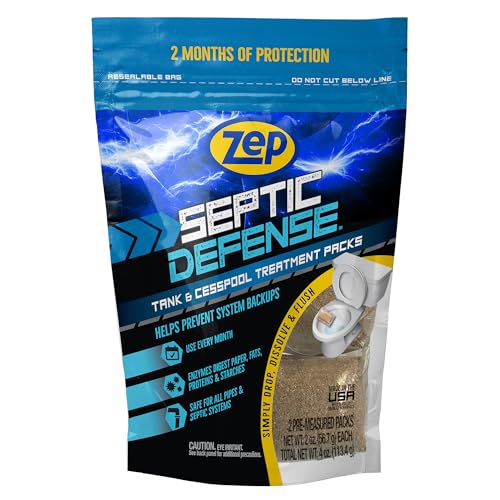
Zep Septic Defense Treatment Packs ZSTP6, 6-Month

Roebic 64oz Septic Treatment

BS916 Microbial Septic Treatment, 1-Year

RID-X Septic Treatment Pods, 6-Month

RID-X Septic Treatment Pods, 12-Month

Rid-X Septic Treatment

Septic-Flow Enzyme Pods, 1-Year
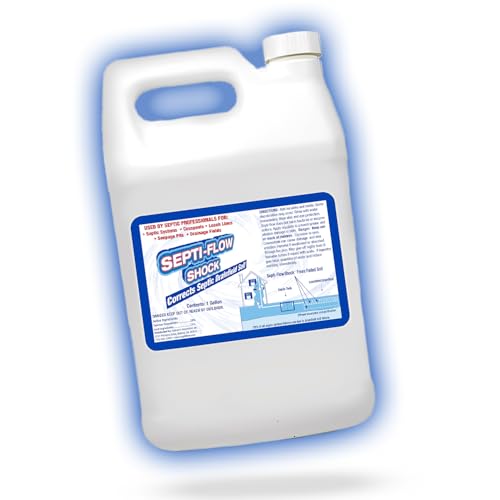
Septic-Flow Shock Drain Cleaner
A Deeper Look At The Lineup
Zep Septic Defense Treatment Packs ZSTP6, 6-Month favors a predictable routine. Each dissolvable pack is pre-measured, so there is no bottle to shake or pour, and the stated schedule calls for one pack each month.
The biodegradable formula is designed to support the breakdown of paper, fats, proteins, oils, grease, and starches. It suits tanks up to 1,500 gallons, and for most households the honest read is simple: convenience makes regular maintenance easier to remember.
The Value In It
- Pre-measured packs remove measuring from the monthly routine.
- The formula targets several common types of organic buildup.
- Its stated tank capacity reaches 1,500 gallons.
Things To Consider
- The monthly schedule requires consistent follow-through.
- It supports tank maintenance rather than directly cleaning drain-field lines.
Feature Snapshot
Who It Suits Best
You benefit most from this option when you want low-fuss tank maintenance for a home system with a tank no larger than 1,500 gallons.
Where Another Pick Suits Better
Septic-Flow Shock Drain Cleaner is a better fit for focused drain-field line cleaning rather than recurring tank upkeep.
Roebic 64oz Septic Treatment takes a different approach from the packet-based choices. It uses anaerobic bacteria, meaning organisms adapted to oxygen-free conditions, alongside enzymes that help digest proteins and keep tank contents from accumulating into a dense mass.
The bacteria are selected to tolerate soaps and detergents commonly encountered in household wastewater. The recommended amount is one quart for each 500 gallons, so larger tanks require more than a casual splash. Nothing flashy here, but the tank-focused format works well for measured maintenance.
Standout Benefits
- Bacteria suit the oxygen-poor environment inside a septic tank.
- Enzymes support digestion of protein-based organic material.
- Detergent resistance addresses a common household wastewater exposure.
- The quart-based quantity scales with a 500-gallon tank.
Worth Noting
- Larger tanks need proportionally more treatment, so label directions deserve careful attention.
The Right Fit
This treatment makes sense for you when you know your tank capacity and prefer a liquid product with bacteria and enzymes over premeasured packets.
Consider Something Else When
Zep Septic Defense Treatment Packs ZSTP6, 6-Month suits households that value a monthly, premeasured routine more than liquid dosing.
BS916 Microbial Septic Treatment, 1-Year is built around monthly packets that go directly into a toilet. Each 2-ounce packet contains approximately 300 billion bacterial organisms, making this a practical choice for a household that wants an entire year of maintenance in one box.
That flushable format makes the treatment especially useful in RV and marine holding tanks, where storage and dosing need to stay uncomplicated. The formula is also presented as a way to replenish organisms reduced by household products that interfere with bacterial populations.
A Few Highlights
- Twelve self-contained packets cover a monthly schedule.
- The flushable format suits RV and marine holding tanks.
Small Caveats
- Monthly use becomes a continuing household responsibility.
- Each packet is opened and used individually.
- It maintains a septic system rather than cleaning drain-field lines directly.
Feature Facts
Who Should Grab It
RV owners, marine users, and mobile households benefit most from the flushable packet design and compact annual supply.
Another Choice May Suit
Rid-X Septic Treatment is a better fit for a standard home tank where a compact 3.2-ounce treatment matches a fixed maintenance schedule.
RID-X Septic Treatment Pods, 6-Month combine fast-acting enzymes with beneficial bacteria in a six-month supply. The enzyme portion targets toilet paper, fats, oils, grease, sugar, starch, and proteins, while the bacteria contribute to longer-term biological maintenance.
That combination makes this a sensible middle ground for a household seeking a planned routine without committing to a full year immediately. The six-month box also offers useful flexibility for seasonal occupancy, although each pod still needs to be used on the stated schedule.
The Good Stuff
- Dual-action formula addresses several waste components.
- Pods make scheduled tank dosing straightforward.
- Six months accommodates a shorter routine commitment.
Points To Note
- The routine continues for the full six-month period.
- It focuses on the tank rather than direct drain-field line cleaning.
Built With In Mind
You get the most from these pods in a home with steady wastewater flow and a regular maintenance habit.
A Better Fit Elsewhere
RID-X Septic Treatment Pods, 12-Month suit households that prefer one annual supply and fewer replacement decisions.
RID-X Septic Treatment Pods, 12-Month carries the same dual-action approach as the six-month version, but the longer supply removes more frequent replacement decisions. Fast-acting enzymes address a broad range of organic material, while beneficial bacteria support the tank’s biological activity.
For steady occupancy, that annual format keeps maintenance on a predictable monthly path. The trade-off is a larger upfront commitment, which matters for seasonal homes or anyone still evaluating how a particular treatment fits the system.
Everyday Advantages
- One supply covers a full year of scheduled pod use.
- Enzymes target paper, fats, oils, grease, sugar, starch, and proteins.
- Bacteria add a biological component to the maintenance routine.
- Pod packaging reduces awkward measuring steps.
Honest Caveats
- The twelve-month supply may be more than a seasonal household needs.
Quick Facts
Best Suited To
You benefit most from the twelve-month supply when your home has consistent occupancy and you value fewer maintenance reminders.
Look Elsewhere When
RID-X Septic Treatment Pods, 6-Month fit seasonal households better because the shorter supply reduces the commitment.
Rid-X Septic Treatment packs the dual-action approach into a 3.2-ounce format. Fast-acting enzymes work on solid waste materials, while beneficial bacteria provide the longer biological component of tank maintenance.
For a small tank, this may offer a less cumbersome starting point than a multi-pod supply. It is not the most complete package, but the compact size can make the routine easier to store and manage in a utility room or mobile setting.
Positive Points
- Enzymes and bacteria support two parts of the maintenance process.
- The compact container takes up relatively little storage space.
A Few Limitations
- It does not provide the convenience of a six- or twelve-month pod supply.
- The routine may call for another treatment at a later date.
- Its tank-maintenance purpose does not extend to direct drain-field cleaning.
Who Will Love This
You benefit most from this compact treatment when storage space is limited or you want to begin with a smaller-format maintenance product.
Not Your Match When
Zep Septic Defense Treatment Packs ZSTP6, 6-Month suit you better when you want six premeasured monthly doses in one organized supply.
Septic-Flow Enzyme Pods, 1-Year brings bacteria and enzymes together in a monthly pod format. The treatment is designed to break down septic waste, support tank performance, and help with odors and accumulation that can trouble an under-maintained system.
Its one-year supply suits a household that wants an uncomplicated routine with each dose kept in the pod until needed. The simple routine is its real appeal. It remains a septic-system maintenance product, though, rather than a direct cleaner for drain-field lines.
Real-World Strengths
- One pod supports each monthly maintenance step.
- Bacteria and enzymes cover complementary maintenance functions.
- The annual supply reduces frequent replacement decisions.
Minor Gripes
- Monthly use requires a continuing household habit.
- It is not formulated for direct drain-field line cleaning.
Core Features
The Right Fit
This option suits you when your priority is dependable monthly tank maintenance rather than a concentrated drain-field application.
Reach For A Different Pick When
BS916 Microbial Septic Treatment, 1-Year serves RV and marine holding-tank users better with its specifically identified flushable-packet use.
Septic-Flow Shock Drain Cleaner is the focused choice in this group. Its one-gallon format is intended for clearing and cleaning drain-field lines, including buildup associated with excess soaps, detergents, sodium, phosphate, and sulfate.
That focused purpose sets it apart from the monthly enzyme and bacterial treatments. For a serious accumulation in the drain-field system, the straightforward application target is useful, although a septic professional can confirm that the product matches your plumbing arrangement.
Strong Points
- Targets drain-field lines rather than only the tank.
- Addresses residues associated with several household chemicals.
- The one-gallon container suits a substantial application.
- Its narrower purpose makes it distinct from monthly maintenance pods.
Practical Considerations
- It is a targeted shock treatment, not the routine biological option.
- Application instructions and system compatibility should guide use.
Technical Highlights
Whose Shelf It Belongs On
You benefit most from this cleaner when a septic professional identifies drain-field line buildup as the maintenance concern.
Where A Sibling Pick Shines
Septic-Flow Enzyme Pods, 1-Year are the better choice for regular biological tank maintenance rather than concentrated field-line cleaning.
What Matters in a Septic System Treatment
Tank Size and System Layout
Start with the tank’s measured capacity rather than the size of your home. A household with a larger tank needs a treatment labeled for that capacity, while smaller systems may suit compact packets or measured liquid doses. Installation records and the physical tank label are more dependable than visual estimates.
Routine Versus Direct Drain-Field Care
Monthly enzymes and bacterial treatments support normal tank maintenance. A drain-field cleaner serves a narrower purpose involving buildup in field lines. Recurring backups, slow drainage, or persistent odors may require a professional system assessment rather than repeated additions of any treatment.
Format and Handling
Packets and pods are convenient for people who want little measuring, while liquid treatments allow dosage to follow tank capacity. Consider storage, monthly reminders, and how easily the product fits your toilet or tank setup. A convenient format still needs consistent use to support the intended routine.
Ingredients and Household Habits
Bacteria and enzymes serve different but complementary roles in biological maintenance. Strong cleansers can interfere with bacterial populations, so household habits matter as much as the treatment itself. Keep the label schedule and application method in view, especially for RV, marine, or unusually large systems.
Before You Add a Septic Treatment
Mistakes Worth Dodging
Do not choose a drain-field cleaner for routine tank upkeep or assume every septic treatment follows the same schedule. Match the product to the tank, system type, and the problem you want to address, then follow its application directions closely.
What The Higher Tier Buys
Higher spending often reflects a larger supply, a broader combination of treatment functions, or a more concentrated field application. The upgrade is worthwhile when it matches a measured need, not merely because the package contains more product.
Frequently Asked Questions
What Does a Leach Field Cleaner Do?
A septic leach field cleaner is designed to clear buildup within the drain-field lines that receive liquid from the septic tank. It differs from an enzyme treatment intended for routine tank maintenance.
Do Enzyme Treatments Clean the Drain Field?
Most enzyme products support waste breakdown inside the septic tank and support the biological process connected to the system. A dedicated drain-field cleaner is the closer fit when buildup in the field lines is the main concern.
How Often Should Septic Treatments Be Used?
The schedule depends on the product, tank size, and system demands. Several listed choices use monthly packets or pods, so follow the label for the exact product rather than applying one schedule to every option.
Can These Treatments Be Used in an RV?
BS916 Microbial Septic Treatment, 1-Year is specifically identified for RV and marine holding tanks. Its flushable monthly packets also make it a practical format for mobile sanitation systems.
When Does a Treatment Product Call for a System Inspection?
Persistent backups, slow drainage, or odors that continue despite routine care call for a professional inspection. A treatment product may support maintenance, but it cannot confirm the condition of every tank or drain-field component.
The Takeaway
Routine tank care and direct drain-field cleaning serve different purposes. Choose a measured, bacteria-and-enzyme option for scheduled maintenance, or a targeted field cleaner when buildup in the lines is the identified concern. Matching the product to your system and sticking with the stated application guidance is the most sensible path forward.