
Water creeping along a kitchen-table joint can ruin the finish before anyone notices the stain. The right sealant depends on the material and the job: sealing a broad wood surface, protecting a stone top, or closing a narrow joint calls for a different approach.
The Shortlist At A Glance

SENVEN Clear Sealant 1/2 Gal

SENVEN Clear Sealant 1-Gal

Furniture Clinic Linseed Oil

Rubio Monocoat Oil Plus 2C
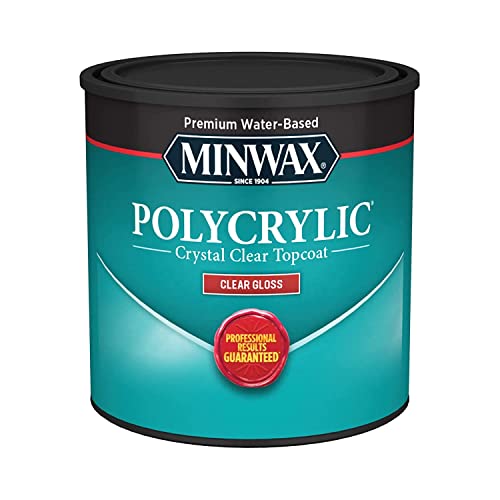
Minwax 25555 Clear Polycrylic
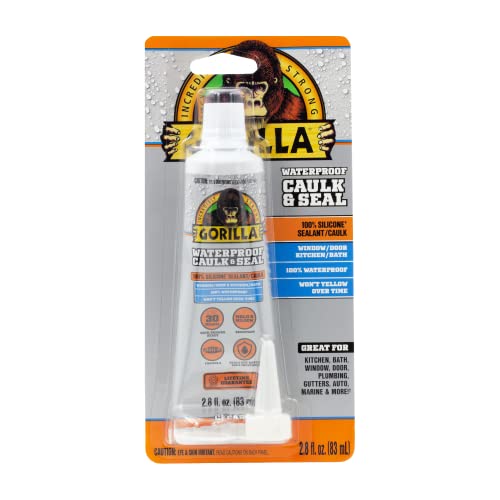
Gorilla Clear Waterproof Silicone Sealant 2.8oz Squeeze Tube
Meet The Standout Selections
I would reach for this SENVEN coating when the table is wood, tile, concrete, masonry, metal, ceramic, or rubber and the repair must remain visually quiet. Its clear finish suits a table edge or tiled surface where an opaque patch would interrupt the design.
Compared with the one-gallon SENVEN option, this half-gallon format is more practical for a localized repair. I would use thin, even layers because the listed gap limit is 2 mm, which makes it better for fine cracks than open joints.
What Helps Most
- Maintains the visible color and texture of the treated surface.
- Adheres to wood, tile, masonry, metal, ceramic, concrete, brick, and rubber.
- Spreads into fine cracks without requiring a bulky repair patch.
- Works indoors and outdoors for localized leak protection.
Trade Offs
- Multiple coats and drying time make it less convenient for a quick seam repair.
- The 2 mm limitation rules out wider gaps around a table edge.
Key Details
Made For
I recommend this format for careful DIY repairs that need broad material compatibility without obscuring the tabletop.
Where Another Pick Suits Better
Gorilla Clear Waterproof Silicone Sealant 2.8oz Squeeze Tube suits narrow joints needing fast-setting silicone caulk.
A larger table project, workshop, or tiled counter often needs enough material for several applications, and that is where the SENVEN 1-Gal format makes sense. I see it as the roomier version of the half-gallon model, with the same clear membrane and broad substrate compatibility.
I would still use it for fine cracks rather than a wide separation, since its self-leveling liquid is intended for small gaps up to 2 mm. The larger quantity is a practical fit for repeated spot treatments, while smaller households may find the half-gallon format easier to store.
Where It Excels
- Supports multiple applications without frequent container changes.
- Keeps a clear appearance on visible household surfaces.
- Handles wood, ceramic, tile, masonry, metal, and concrete.
- Can be brushed, rolled, or poured onto a repair.
Honest Caveats
- Each coat requires up to 24 hours before the next application.
- It is not intended for continuous water immersion.
Who It Suits Best
I favor this size for DIYers handling a large table, tiled work surface, or several small household repairs.
A Better Fit Elsewhere
Furniture Clinic Linseed Oil better suits a tabletop needing a natural-looking oil finish on wood, stone, or metal.
Boiled linseed oil gives a kitchen table a different result from a clear film-forming topcoat. I see Furniture Clinic as the most natural-looking option here for restoring wood with a glossy finish, while its listed use on stone and metal broadens the application beyond timber alone.
Compared with Minwax 25555 Clear Polycrylic, the finish looks less like a transparent plastic surface and more like an oiled material. For a vintage table or mixed-material project, that natural appearance may matter more than a high-gloss protective coating.
Benefits That Matter
- Restores wood with a glossy, natural-looking finish.
- Works on wood, stone, and metal.
- Offers a softer visual result than a clear topcoat.
- Fits restoration-focused table refinishing.
Practical Considerations
- The glossy result will not suit a preference for an invisible finish.
- I would confirm the existing surface condition before applying an oil finish.
Quick Facts
Right Fit For
I recommend this product for someone restoring a wooden table and preferring visible grain and a natural gloss.
Another Choice May Suit
Rubio Monocoat Oil Plus 2C suits interior wood work where a single-layer application is the priority.
A dining table that takes daily use needs a finish chosen for the room, not merely for the initial appearance. Rubio Monocoat Oil Plus 2C is a hard wax oil, meaning it combines an oil treatment with a wax-like protective layer, and it can add color and protection in one application.
I find the one-layer approach useful for a planned refresh, especially around a high-traffic living area. Unlike SENVEN Clear Sealant 1/2 Gal, this product is formulated specifically as an interior wood finish rather than a clear repair coating for several materials.
Features That Help
- Combines wood color and protection in one layer.
- Designed for oak, walnut, teak, and other wood types.
- Suitable for busy interior floors and hallways.
- Supports timely repairs and refinishing work.
Minor Gripes
- The 350 mL container may require careful planning for a large table.
- Its wood focus makes it unsuitable for stone or metal surfaces.
Who Will Love This
I favor this option for a wood-focused homeowner who wants color, protection, and a one-layer treatment.
Reach For A Different Pick When
Minwax 25555 Clear Polycrylic suits a table that needs a clear gloss topcoat over interior woodwork.
A clear gloss finish is a practical response to a busy kitchen, where splashes and crumbs reach the table every day. Minwax 25555 applies a water-based protective coating over interior wood, including furniture, doors, cabinets, and woodwork, while leaving the grain visible.
Compared with Furniture Clinic Linseed Oil, this option creates a more defined glossy surface. The half-pint quantity is manageable for one table, though I would check the coverage against the table size before starting a larger refinishing project.
Where It Delivers
- Protects interior wood against scratches, spills, and dirt.
- Keeps the wood grain visible beneath a clear finish.
- Works across furniture, doors, cabinets, and woodwork.
- Uses a water-based formula suited to interior projects.
Areas To Watch
- The gloss level will not complement a preference for an entirely natural surface.
- Its listed use centers on interior wood rather than outdoor furniture.
Feature Snapshot
Built With In Mind
I recommend this coating for an interior wood table that needs a clear, glossy protective layer.
Where A Sibling Pick Shines
SENVEN Clear Sealant 1/2 Gal suits fine repairs across wood, tile, metal, masonry, and other substrates.
A narrow joint between a tabletop and backsplash needs a caulk, not a broad surface coating. Gorilla Clear Waterproof Silicone Sealant fits that role, with a 100% silicone formula that cures into a flexible barrier against air, water, and moisture.
Its listed water-exposure readiness in as little as 30 minutes is useful in a busy kitchen, though the full cure still matters for the finished joint. Compared with SENVEN Clear Sealant 1/2 Gal, this tube is more specialized for narrow gaps and faster moisture exposure.
The Upside
- Blocks air, water, and moisture with cured silicone.
- Can encounter water in as little as 30 minutes.
- Resists mold and mildew without yellowing, shrinking, or cracking.
- Works indoors and outdoors after full curing.
Small Caveats
- The 2.8 oz tube suits localized joints rather than a full tabletop coating.
- Full curing remains necessary before judging the completed joint.
Technical Notes
The Right Fit
I recommend this caulk for a small kitchen joint, tabletop edge, or narrow connection requiring clear silicone.
Swap It Out When
SENVEN Clear Sealant 1/2 Gal is the better fit for fine surface cracks across several construction materials.
What Matters Before Protecting a Kitchen Table
Match The Product To The Material
I start with the material because a clear sealant for tile, stone, metal, and wood does not perform the same role. Broad surface coatings such as SENVEN Clear Sealant 1/2 Gal cover several substrates, while Furniture Clinic Linseed Oil and Rubio Monocoat Oil Plus 2C focus on wood finishes.
Separate Surface Protection From Joint Sealing
A tabletop finish covers a broad wood area, but a joint requires a caulk that can move inside a narrow gap. Gorilla Clear Waterproof Silicone Sealant 2.8oz Squeeze Tube is the more focused choice for seams, and its 30-minute water readiness can suit an active kitchen repair zone.
Consider The Appearance Before Coverage
A transparent repair preserves the current look, an oil finish emphasizes grain, and a gloss topcoat creates a more reflective surface. I would choose the visual result first, then confirm that the application method, quantity, and surface compatibility suit the table.
Avoiding Costly Table Repair Mistakes
Wrong Turns To Avoid
The most common error is treating a narrow joint like a broad surface, or assuming any clear product belongs on every material. I also check whether a coating is meant for continuous immersion, especially near sinks and dishwashing areas, and account for the listed drying interval before adding another layer.
The Case For Spending Up
Additional spending often reflects a larger container, a finish system, or a product designed around a particular repair. For a large table, the SENVEN 1-Gal format may reduce refill interruptions; for a small joint, a precisely sized 2.8 oz silicone tube can be the more sensible choice.
Frequently Asked Questions
Is Sealant for Kitchen Table Safe for Food Contact?
I would avoid assuming that a sealant is food-safe based on appearance alone. A separate food-contact-safe oil or finish is a more suitable choice for a tabletop surface that directly touches food.
Can Clear Sealant Be Used on a Wooden Kitchen Table?
Yes, a clear coating can suit wood when its listed materials include wood and the surface is properly prepared. I would select a product intended for the table’s interior or outdoor setting rather than assuming every clear sealant is interchangeable.
What Is Better for a Cracked Table Edge?
I favor Gorilla Clear Waterproof Silicone Sealant 2.8oz Squeeze Tube for a narrow flexible joint. SENVEN Clear Sealant 1/2 Gal is the better option for fine surface cracks up to its listed 2 mm limit.
Should I Use Oil or Polycrylic on Wood?
I choose boiled linseed oil for a natural, glossy wood appearance and Minwax 25555 Clear Polycrylic for a clear gloss finish. The desired appearance and the table’s everyday use should guide that decision.
How Many Coats of SENVEN Clear Sealant Are Needed?
I would follow the listed application guidance and use two to three even coats for a typical repair. Each coat requires 24 hours before the next application, so the process takes more planning than a single coat.
Closing Thoughts
I find that the best fit depends on the exact repair: broad surface protection calls for SENVEN, natural wood treatment favors Furniture Clinic or Rubio Monocoat, and a glossy clear topcoat points to Minwax. Gorilla handles narrow kitchen joints with silicone caulk. Matching the format to the material and the intended appearance keeps the project straightforward.