
A PVC reptile enclosure can offer plenty of floor space while still leaving an animal without a sheltered place to climb, burrow, or disappear. The eight Lucky Critter additions in this guide focus on those missing habitat elements, but none is a complete PVC enclosure. They are caves, tunnels, and climbing accessories designed to supplement fish tanks, hermit crab habitats, and reptile homes.
Your decision starts with the animal and the enclosure layout. Aquarium caves work under gravel, reptile hides fit into corners, and a hermit crab ramp adds vertical exploration. Check the enclosure dimensions, substrate depth, and viewing area before adding any piece.
A Side-By-Side Look

Lucky Critter Aquarium Underground Corner Cave Natural Curve Fish Tank Hideout

Lucky Critter Aquarium Underground Corner Cave Natural Curve Fish Tank Hideout White

Lucky Critter Aquarium Underground Corner Cave Natural Curve Fish Tank Hideout Brown

Lucky Critter Hermit Crab Ladder Ramp Climbing Toy Habitat Enrichment

Lucky Critter Aquarium Underground Tunnel Cave Natural Curve Two Hole White

Lucky Critter Reptile Corner Underground Cave Viewing Hide Habitat
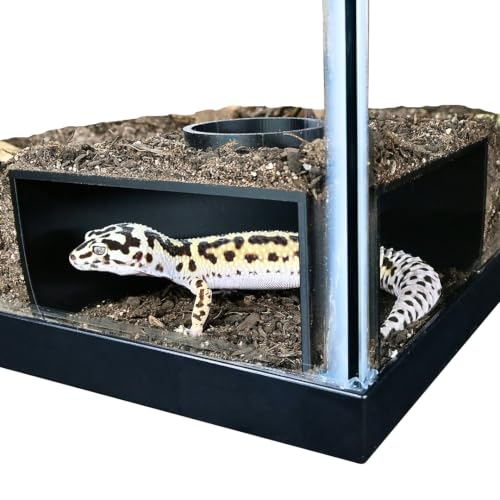
Lucky Critter Reptile Corner Underground Cave Black Viewing Hide

Lucky Critter Reptile Corner Underground Cave Natural Curve Habitat Hide
A Deeper Look At The Lineup
Aquarium corners often hold open substrate rather than a purposeful structure. This cave turns that space into a sheltered route for bottom dwellers, with an opening that lets you watch fish enter or pass beneath the gravel line.
It suits Corydora catfish, Kuhli loaches, plecos, shrimp, and other fish that spend time near the bottom. The curved entrance gives the piece a less manufactured appearance, though your setup will determine how naturally it blends once the substrate is restored around it.
A Few Highlights
- The corner placement leaves more of the tank open for plants and swimming space.
- Its underwater tunnel gives bottom-dwelling fish a genuine place to enter and shelter.
- The viewing opening makes activity easier to observe from outside the glass.
- Installation uses the existing gravel rather than requiring a separate raised structure.
Small Caveats
- You need enough substrate depth to cover the exterior after moving material aside for placement.
At A Glance
Made For
Aquarium keepers focused on bottom-dwelling fish and shrimp who want a compact hideout that can be incorporated into a gravel bed.
A Better Fit Elsewhere
The Lucky Critter Reptile Corner Underground Cave Natural Curve Habitat Hide offers a more relevant choice for reptile or amphibian habitats.
White gives the same underwater corner cave used in the first pick a brighter appearance against darker gravel. That contrast can make the entrance easier to locate, especially in a lightly planted tank where the structure itself needs to become part of the visual design.
The cave still serves the practical purpose of giving bottom-oriented fish and shrimp a covered route through the substrate. You place it against the glass, move gravel around it, and gain both a hiding place and a window into activity that might otherwise be hidden.
Useful Highlights
- The pale finish stands apart from dark gravel and common aquarium stone.
- Its curved entry supports the natural appearance of the surrounding substrate.
- The viewing window makes the shelter useful for observation as well as concealment.
Practical Considerations
- Bright white may stand out more than intended in a muted aquascape.
- The surrounding substrate depth must be sufficient to conceal the outer structure properly.
- Measure the available corner before placement, particularly in tanks with angled glass or thick framing.
Who Will Love This
Aquarium keepers who want the hideout to remain clearly visible through the glass and prefer a light decorative finish over a darker, earth-toned cave.
Another Choice May Suit
The Lucky Critter Aquarium Underground Corner Cave Natural Curve Fish Tank Hideout Brown better matches aquascapes built around natural stone and earthy substrate.
Brown is the most discreet finish of the three single-entrance aquarium caves in this group. It can sit beneath a layer of dark gravel without looking like a bright ornament, giving you a useful structure that still follows a planted-tank aesthetic.
Like the white version, this piece provides a covered route for bottom-dwelling fish and a viewing window from the side glass. The benefit appears strongest in tanks where natural colors dominate, although your substrate and lighting will determine the final effect.
Everyday Wins
- The brown finish blends readily with natural gravel and stone.
- It creates a sheltered destination for fish that regularly patrol the substrate.
- You can watch the animal through the side opening without moving the gravel.
- The corner format preserves the center of the aquarium for swimming space.
Trade Offs
- The finish may become difficult to distinguish under very dark lighting.
- Its appearance depends on matching the cave and substrate tones carefully.
Quick Facts
The Right Fit
Aquarium keepers building a natural-looking bottom-dwelling habitat where color coordination matters as much as concealment.
Where A Sibling Pick Shines
The Lucky Critter Aquarium Underground Corner Cave Natural Curve Fish Tank Hideout White suits aquascapes where a brighter entrance adds a deliberate visual accent.
The ladder and ramp introduce vertical movement to a hermit crab habitat that may otherwise consist mostly of flat floor space. That difference matters for an animal known for exploring its surroundings and moving between levels.
Unlike the aquarium caves, this accessory is built around climbing rather than burrowing. It gives hermit crabs a route they can investigate, while the structure also creates an elevated area where they can pause or shelter.
Bright Spots
- The ramp adds a climbing route to a horizontally arranged habitat.
- Its raised structure gives hermit crabs a place to explore above the substrate.
- The design supports natural climbing, exploring, and hiding behavior.
- You gain another interactive feature to watch during daily habitat checks.
Points To Note
- This piece is intended for hermit crab habitats rather than fish tanks or reptile enclosures.
- Confirm that the ramp sits securely and does not leave unstable gaps around its base.
Core Details
Built With In Mind
Hermit crab keepers who want more climbing and exploration in a habitat that has limited vertical complexity.
Look Elsewhere When
The Lucky Critter Reptile Corner Underground Cave Black Viewing Hide provides a better fit for a reptile enclosure that needs a sheltered corner rather than a climbing ramp.
The two-hole layout gives this aquarium cave a different role from the single-entrance corners. Instead of serving as one destination, it offers more than one way into the tunnel, which can be useful in larger gravel beds with animals moving around the structure.
The white finish gives the piece a bright decorative edge, while the underwater openings let you watch fish and shrimp move beneath the gravel. Its larger tunnel concept may work especially well when your layout can support enough substrate around the structure.
What Pays Off
- Two entrances provide more ways for fish to approach the tunnel.
- The openings create useful observation points for bottom-dwelling animals.
- The bright finish can complement pale gravel and decorative stone.
- Its corner-oriented design keeps the structure out of the main swimming area.
Areas To Watch
- You need enough substrate to conceal the outside and preserve the tunnel openings.
- The white finish may appear prominent in a dark or heavily planted aquarium.
- Check the available corner space before disturbing the gravel layout.
Best Suited To
Aquarium keepers with a generous substrate bed who want a gravel tunnel with two entrances and a visible white structure.
Consider Something Else When
The Lucky Critter Aquarium Underground Corner Cave Natural Curve Fish Tank Hideout Brown suits aquascapes that favor a subtler earth-toned appearance.
Small reptile habitats often have a corner that cannot support a large hide without taking up valuable floor space. This underground cave is shaped for that neglected area, creating a sheltered recess while retaining a viewing angle through the glass.
You can use it for hognose snakes, corn snakes, leopard geckos, and other small reptiles or amphibians, subject to their size and enclosure requirements. The discreet corner placement may be the deciding feature for you, especially in a compact setup.
Noteworthy Benefits
- The corner layout turns unused space into a sheltered habitat feature.
- Its viewing window keeps your reptile observable while it retreats inside.
- The underground profile provides a place for small reptiles to curl up or hide.
Worth Bearing In Mind
- Your reptile must be able to enter the hide comfortably and move through the opening.
- The enclosure needs enough substrate around the cave to create the intended buried appearance.
Feature Card
Who Should Grab It
Reptile keepers with a compact enclosure who need a corner hide and value observation through the glass.
Reach For A Different Pick When
The Lucky Critter Reptile Corner Underground Cave Natural Curve Habitat Hide offers a better fit when your setup needs a more distinctly curved entrance and a humid refuge.
The black finish gives the reptile cave a darker presence than the uncolored corner hide, while retaining the same space-saving underground layout. That can work well in habitats where the enclosure interior is already dark or decorated with black and charcoal accents.
The practical benefit remains the same: your reptile gains a sheltered place to explore, burrow, curl up, or hide, and you retain a view through the side window. Exact suitability still depends on the entrance size, substrate depth, and the dimensions of your animal.
Advantages To Know
- The black finish coordinates with dark enclosure backgrounds and accessories.
- The corner placement avoids occupying the central activity area.
- A viewing window allows observation without exposing the entire shelter.
Less Ideal Details
- The entrance may be harder for you to locate in a very dark setup.
- Substrate and ventilation conditions remain your responsibility within the enclosure.
Whose Shelf It Belongs On
Reptile keepers with a dark-themed enclosure who want a corner hide that combines concealment with a viewing window.
Swap It Out When
The Lucky Critter Reptile Corner Underground Cave Viewing Hide Habitat offers a better fit when you prefer a lighter finish that stands apart from the substrate.
The natural curve gives this reptile hide a softer, more organic entrance than the sharper corner design. It also serves as a humid refuge, meaning a sheltered microclimate within the enclosure where your reptile can retreat when the surrounding conditions feel less suitable.
The listed applications include anoles, crested geckos, leopard geckos, hognose snakes, corn snakes, and other lizards. You place it against the glass and restore the substrate around it, creating a burrow-like structure without relying on a loose pile of hiding material.
The Practical Payoff
- The curved entrance creates a natural-looking approach to the shelter.
- A humid refuge gives your reptile a sheltered area within the larger enclosure.
- The underground placement makes productive use of a corner.
- It supports climbing, exploring, burrowing, curling up, and hiding behaviors.
- The white finish can contrast clearly with darker substrate and enclosure trim.
The Fine Print
- Confirm that your enclosure has enough room for the hide and the animal to enter it easily.
- You must provide suitable substrate and maintain enclosure ventilation around the structure.
The Numbers That Matter
The Right Fit For
Small reptile and amphibian keepers who need a compact humid hide with a natural entrance and an under-glass viewing window.
Not Your Match When
The Lucky Critter Hermit Crab Ladder Ramp Climbing Toy Habitat Enrichment suits a hermit crab habitat that needs vertical climbing rather than a concealed refuge.
Plan the Habitat Around the Animal
Start With the Animal’s Behavior
A reptile that climbs, one that burrows, and one that stays close to the substrate need different structures. Your animal’s size and normal movement patterns matter more than a cave’s general appearance, so check the opening, interior clearance, and surrounding space before ordering.
Match the Enclosure Corner
Measure the corner rather than estimating from a photograph. Account for substrate depth, glass angles, ventilation openings, and the room needed to position the habitat piece without wedging it against another accessory.
Think About Buried and Visible Areas
Underground caves gain much of their effect from the substrate around them. A shallow layer may leave the structure exposed, while a deeper bed can improve the buried appearance but reduce entry clearance, so the two features need to work together.
Separate Form from Color
White, brown, and black versions can serve similar structural roles. Choose the color for contrast or visual blending, but keep the enclosure’s space, ventilation, and substrate requirements as the deciding factors.
Common Mistakes Worth Avoiding
Wrong Turns To Avoid
Do not treat a decorative cave as a complete enclosure or assume an opening is large enough without comparing it with your animal. You also need to account for substrate depth and ventilation instead of choosing solely by appearance.
What Separates Premium From Basic
A more elaborate structure may add entrances, viewing access, curved shaping, or a dedicated humid refuge. The upgrade is worthwhile only when that specific feature supports your animal’s behavior and fits your enclosure.
Frequently Asked Questions
Are these complete PVC reptile enclosures?
No. Every item in this lineup is habitat décor, including aquarium caves, a hermit crab ramp, and reptile hides. You still need a separate enclosure with suitable ventilation and temperature control.
Can the aquarium caves be used in reptile habitats?
You need to confirm the material, opening, and humidity needs for the particular animal. The white, brown, and black aquarium pieces are primarily described for fish and shrimp, while the reptile caves have separate reptile-focused functions.
Which Lucky Critter corner cave has multiple entrances?
The Lucky Critter Aquarium Underground Tunnel Cave Natural Curve Two Hole White has a two-hole design. The other aquarium corner caves in the lineup use a single curved entrance.
Does a humid hide serve the same purpose as a dry hide?
A humid hide provides a more sheltered moisture area than an ordinary dry shelter. You still need to balance humidity with enclosure ventilation and monitor the conditions around the hide.
What should I check before placing a cave under substrate?
Check the corner clearance, substrate depth, entrance position, and room your animal needs to enter. A viewing window is useful only when the structure remains settled and the tunnel openings stay clear.
Final Take
The Lucky Critter lineups cover distinct habitat needs rather than complete PVC reptile enclosures. Aquariums benefit from gravel tunnels, hermit crabs gain vertical climbing options, and small reptiles receive corner hides suited to hiding, burrowing, and observation. Match the structure to the animal’s behavior, then confirm that the footprint, opening, substrate, and ventilation all work together.