
A new branch line in the laundry room starts with one detail that matters: the pipe must match the fitting system already in the wall. Replacing PEX-A tubing, crimp rings, push-to-connect couplings, and threaded valves takes more than choosing by diameter alone. These eight options cover repiping, fixture hookups, equipment connections, and freeze protection, with clear roles for each connection method.
The Leading Options At A Glance

KAINGA 3/4″ Heavy-Duty PEX Tee, Brass Crimp Fitting, 5 Pack

EFIELD 1/2″ PEX-A Pipe, Blue and Red, 200 ft

EFIELD 1/2″ PEX-A x 1/2″ NPT Drop-Ear Elbow, 10 Pack

EFIELD 3/4″ F1960 Expansion Rings, 100 Pack
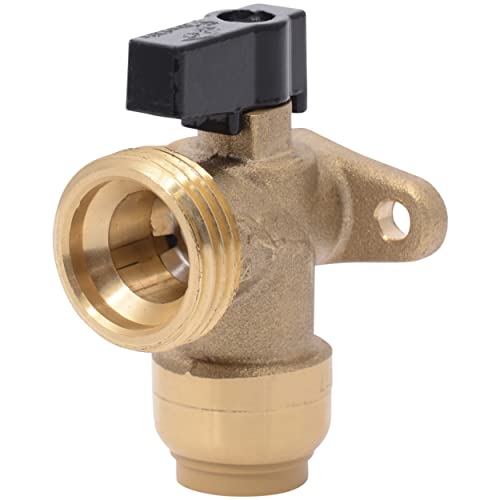
SharkBite 1/2″ x 3/4″ MHT Washing Machine Angle Valve 25560LF

SharkBite Max 1/2″ Push-to-Connect Brass Coupling, 4 Pack

JDZKOMKE 50 ft Pipe Heating Cable

JDZKOMKE 80 ft Pipe Heating Cable
The Picks, Examined More Closely
A tee creates a three-way branch in a pipe run, making this KAINGA fitting useful for supplying a sink, filter, bathroom fixture, or hydronic line from a main route. Its high-purity brass body provides a durable-looking metal connection for residential and light commercial work, and the 3/4-inch size fits common larger PEX branches.
Unlike the EFIELD expansion fittings later in the list, this tee uses a crimp-style connection. That distinction matters because the tubing, fitting, and fastening method must agree before installation begins.
A Strong Showing
- Works with PEX-A, PEX-B, and PEX-C tubing for adaptable branch-line planning.
- Brass construction suits potable-water distribution, radiant heating, filtration, and RV lines.
- Accepts copper crimp rings, stainless steel press sleeves, and clinch clamps, giving you several fastening choices.
- The stated pressure rating reaches 1,200 PSI, with an operating range from -65°F to 250°F.
- A five-piece pack gives you several tees for a multi-branch repair.
Trade Offs
- Expansion connections are not supported, so this cannot replace an expansion-system tee.
- Crimp rings and a compatible pressing or crimping tool are separate requirements.
Key Specs
Made For
Homeowners and plumbing professionals creating 3/4-inch branch connections with a crimp, press, or clinch system benefit most from this fitting.
Where Another Pick Suits Better
The EFIELD 1/2″ PEX-A Pipe, Blue and Red, 200 ft is the better fit for a larger PEX-A run that needs flexible tubing rather than a brass branch fitting.
A whole-house repipe often starts with a long run of flexible tubing, and this EFIELD set supplies 100 feet of red and 100 feet of blue 1/2-inch PEX-A. PEX-A tubing bends around obstacles more readily than rigid pipe, which can simplify routing through joists, walls, and tight corners.
The colors help distinguish hot and cold water lines during layout and servicing. Unlike the KAINGA brass tee, this is tubing rather than a fitting, and it belongs with expansion-style PEX-A connections.
What Stands Out
- The combined 200-foot length provides substantial tubing for several household branches.
- Separate red and blue rolls make service lines easier to identify.
- PEX-A flexibility supports routes through confined framing spaces.
- The set includes a pipe cutter for preparing clean tubing ends.
Practical Considerations
- Expansion fittings, sleeves, and an expander tool are required and are not included.
- The 1/2-inch diameter may not match an existing 3/4-inch branch layout.
Quick Facts
Right Fit For
DIYers planning an extensive PEX-A water-distribution layout benefit from the long red and blue runs and included cutter.
Consider Something Else When
The EFIELD 1/2″ PEX-A x 1/2″ NPT Drop-Ear Elbow, 10 Pack suits projects that need a fixed transition from PEX-A to a female threaded connection.
Some fixtures need a pipe run to turn downward and meet a threaded connection. This drop-ear elbow provides that transition, with a 1/2-inch PEX-A side and a 1/2-inch female NPT outlet, where NPT means National Pipe Thread.
The ten-piece format suits repeat fixture installations or a planned renovation with several similar connections. Compared with the SharkBite Max coupling, it belongs to a different installation family: expansion here, push-to-connect there.
Advantages To Know
- Combines an expansion PEX-A connection with a female threaded outlet.
- Designed for PEX-A tubing from different brands.
- The drop-ear form provides a practical orientation for a fixture connection.
- Meets F1960, ANSI/NSF-61, and ASSE 1061 product standards.
Small Caveats
- It does not work with stainless steel clamps or copper crimp rings.
- An expansion tool and separate PEX sleeves are required.
- Both openings are 1/2 inch, so larger runs need an appropriate reducer.
Who Will Love This
Installers working with PEX-A and female NPT fixture connections appreciate the focused 90-degree transition and ten-count pack.
A Better Fit Elsewhere
The EFIELD 3/4″ F1960 Expansion Rings, 100 Pack is the better companion for a larger PEX-A project requiring many expansion sleeves.
Expansion sleeves form the seal around a PEX-A connection after the tube expands over the fitting. This 100-piece package keeps that supporting part of the system close at hand, reducing interruptions midway through a larger installation.
Each sleeve is sized for 3/4-inch PEX-A tubing and includes an end stop. Unlike the general crimp compatibility of the KAINGA tee, these parts are deliberately limited to the expansion system.
What Helps Most
- A large count supports numerous joints across an extended plumbing project.
- Each sleeve includes an end stop for holding it in position during expansion.
- The fittings are designed for PEX-A tubing from different brands.
- They meet F1960, ANSI/NSF-61, and ASSE 1061 product standards.
Things To Weigh
- These sleeves fit 3/4-inch PEX-A only.
- They cannot be used with crimp rings, press sleeves, or clinch clamps.
Feature Snapshot
Built With In Mind
PEX-A installers working repeatedly with 3/4-inch expansion joints benefit most from keeping a large sleeve supply on hand.
Another Choice May Suit
The EFIELD 1/2″ PEX-A Pipe, Blue and Red, 200 ft is a better fit for a new water-distribution run using 1/2-inch PEX-A tubing.
A washing machine valve is a small part with a large role in a laundry room. This SharkBite model combines a 1/2-inch push-to-connect inlet with a 3/4-inch male NPT outlet, an angle that makes the connection easier to reach beneath or beside an appliance.
Its brass body accepts PEX, copper, CPVC, PE-RT, and SDR-9 HDPE on the push side. That broad material range is useful during a repair when several pipe types may already be present.
Key Advantages
- Push-to-connect construction reduces the need for soldering or solvent cement.
- The 90-degree angle suits confined appliance spaces.
- Supports several common pipe materials at the push connection.
- Can be secured to a wall stud or floor joist without a washing machine outlet box.
Points To Note
- Confirm that the 3/4-inch male NPT outlet matches the appliance hose and existing connection.
The Right Fit
Homeowners replacing a washing machine hookup in a tight laundry space benefit from the compact angle and push-fit inlet.
Look Elsewhere When
The SharkBite Max 1/2″ Push-to-Connect Brass Coupling, 4 Pack is the better fit for joining two straight pipe sections rather than serving an appliance.
Connecting two straight pipe runs does not require the branching capacity of a tee or the fixed direction of an elbow. This 1/2-inch SharkBite Max coupling joins two sections with a push-to-connect brass fitting, which is helpful when a repair involves different pipe materials.
Compared with the EFIELD expansion elbow, this option avoids an expansion tool and separate sleeves. The trade-off is narrower sizing, since every joined run must use 1/2-inch compatible pipe.
Everyday Perks
- Joins PEX, copper, CPVC, PE-RT, and SDR-9 HDPE in compatible combinations.
- Push-to-connect installation removes the need for soldering, adhesive, or a specialized fitting tool.
- Brass construction suits everyday repair and extension work.
- The four-piece pack covers several connections across a home.
Areas To Watch
- Both pipes entering the coupling must be 1/2 inch.
- Push fittings cannot be mixed indiscriminately with expansion or crimp connections.
Technical Highlights
Best Suited To
DIYers making 1/2-inch repairs across mixed pipe materials appreciate the straightforward push connection and four-piece supply.
Swap It Out When
The SharkBite 1/2″ x 3/4″ MHT Washing Machine Angle Valve 25560LF is a better fit for an appliance hookup that needs an angle valve and threaded outlet.
Frozen pipes become a concern where an exposed line passes through a crawlspace, exterior wall, or unheated section of a home. This 50-foot heating cable provides 5 watts of output per foot and is intended for water-filled copper, PVC, and PEX pipes in freezing conditions.
It is designed around prevention rather than heating an entire room. The 80-foot JDZKOMKE option covers more runs, but the shorter cable may suit you better when the route is compact.
Useful Highlights
- The stated 5-watt-per-foot output targets freeze protection for water-filled pipes.
- An aluminum-alloy shield with 70% coverage adds protection around the cable elements.
- The TPE jacket resists ultraviolet exposure and chemicals.
- A five-foot grounded plug includes an indicator light for power status.
Factors To Consider
- Installation must follow the cable instructions and local electrical requirements.
- The cable is intended for water-filled metal or plastic pipes, not every possible plumbing arrangement.
- A 50-foot length may leave excess cable on a short, concentrated route.
Whose Shelf It Belongs On
Homeowners in cold climates with a defined run of exposed water-filled pipes can use this cable as a seasonal freeze-protection measure.
Where A Sibling Pick Shines
The JDZKOMKE 80 ft Pipe Heating Cable is the better fit for several exposed pipe sections that exceed the reach of a 50-foot run.
An 80-foot heating cable gives you room to follow several pipe runs instead of concentrating on one short section. It shares the same 5-watt-per-foot output, aluminum-alloy shielding, TPE outer jacket, and five-foot grounded plug with the 50-foot version.
For a home with multiple vulnerable stretches, the longer run may be the more practical choice. For a single exterior line, the shorter JDZKOMKE cable may create less leftover length.
Everyday Wins
- Provides a longer cable run for multiple pipe sections.
- Supports water-filled copper, PVC, and PEX pipe applications.
- The 70%-coverage aluminum-alloy shield helps protect the internal elements.
- The UV- and chemical-resistant TPE jacket suits exposed environments.
- An indicator light on the grounded plug makes its power status visible.
Details To Watch
- Electrical placement and operation must follow the supplied instructions and local requirements.
- The extra length is unnecessary for a short isolated pipe run.
At A Glance
Who Should Grab It
Homeowners with several exposed water-filled pipe runs benefit most from the longer 80-foot installation length.
Reach For A Different Pick When
The JDZKOMKE 50 ft Pipe Heating Cable is a better fit for a single short pipe section where a smaller length is more practical.
Plan the Plumbing Layout Before You Order
Match the Connection System First
A crimp tee, expansion elbow, and push-to-connect coupling may appear similar at a glance, but their tubing, rings, sleeves, and tools differ. Begin with the system already present in the wall or the one you intend to install, then confirm whether the fitting supports PEX-A, PEX-B, PEX-C, or a combination of materials.
Check Both Pipe and Thread Sizes
Pipe diameter describes the tube entering a fitting, while NPT describes a threaded opening. The 1/2-inch PEX side and 1/2-inch female NPT outlet on the EFIELD elbow must both match the planned connection, and the SharkBite washing machine valve combines a 1/2-inch push inlet with a 3/4-inch male thread outlet.
Plan Around the Actual Route
Flexible PEX-A tubing can negotiate tight framing paths, while brass fittings add fixed connection points. For freeze protection, measure the pipe route, inspect the electrical setup, and account for local requirements before selecting a heating-cable length.
Think Beyond the Fitting
Potable-water applications, water temperature, local plumbing rules, and available installation equipment can narrow the choice further. A useful fit depends on the whole connection, not simply whether the part shares the correct nominal diameter.
Details That Prevent Rework
Common Shopping Slip Ups
Buying by diameter alone often leads to mismatched connection methods. Check the tubing type, fitting system, and required tool before ordering, especially when joining an existing PEX-A line to a new valve or appliance.
What The Higher Tier Buys
A higher price may buy a specialized brass body, a broader material range, or a larger supply of matched sleeves. Those features help when a connection needs repeated reliability, mixed-material compatibility, or enough parts to complete an entire installation in one pass.
Frequently Asked Questions for Pipes For Plumbing
Can PEX-A be connected with crimp fittings?
PEX-A normally requires an expansion-style connection unless the tubing and fitting manufacturer permits another method. The KAINGA tee supports several PEX types for crimp, press, or clinch connections, so verify the fitting instructions before using it with PEX-A.
Is PEX-A tubing suitable for potable water?
PEX-A is designed for potable-water and general plumbing applications. Installation still depends on correct sizing, compatible fittings, proper connection methods, and applicable local requirements.
What does a drop-ear elbow do?
A drop-ear elbow changes the direction of a pipe run and provides a female NPT opening for a threaded fixture connection. The EFIELD version is intended for 1/2-inch PEX-A tubing and expansion-style connections.
Are push-to-connect fittings compatible with every pipe material?
No, even a fitting that accepts several materials remains limited by diameter, connection design, and manufacturer instructions. Check compatibility before joining PEX, copper, CPVC, PE-RT, or HDPE.
How long should pipe heating cable be?
Choose a length that follows the pipe route without creating unnecessary excess. The JDZKOMKE options suit different route lengths, and the installation environment, pipe type, and electrical requirements also affect the decision.
Final Verdict
Start with the connection method already in your plumbing system, then match diameter, material, and intended fixture. The EFIELD options cover PEX-A expansion work, SharkBite handles push-fit repairs and appliance valves, and the JDZKOMKE cables address cold-weather pipe routes. A careful match now saves much more time than a convenient-looking mismatch later.