
A dependable sump pump matters when heavy rain, melting snow, or a plumbing leak sends water toward your basement. The right choice depends on your pit, drainage volume, power situation, and whether you need a primary pump, a backup system, or a complete pre-plumbed installation.
The Essentials At A Glance
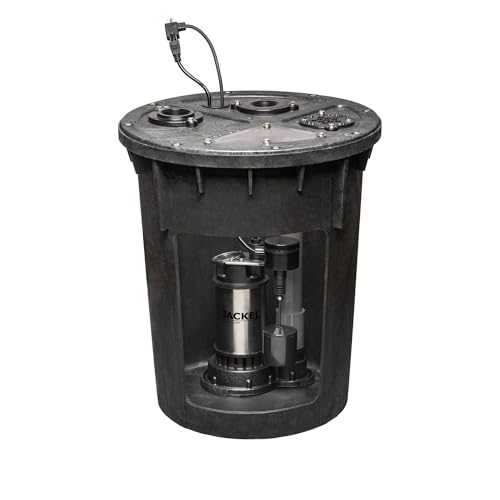
JACKEL JPACK22S-250V Pre-Plumbed Pump
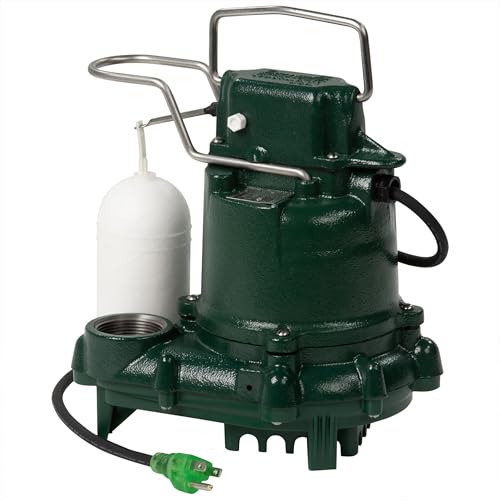
Zoeller M53 1/3 HP Sump Pump

Zoeller M98 Flow-Mate 1/2 HP Sump Pump

Basement Watchdog BWSP CONNECT Backup Pump
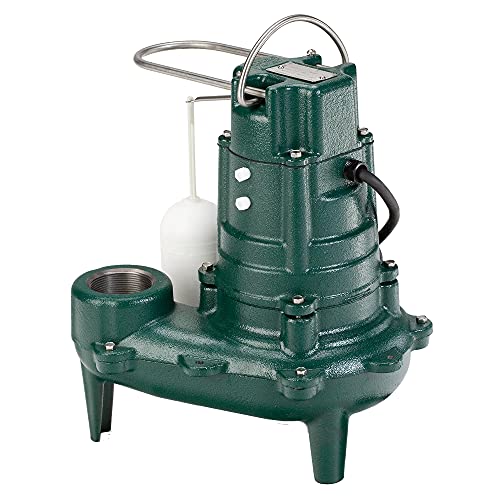
Zoeller 267-0001 Waste-Mate Pump

Westinghouse 1/2 HP Dual-Pump Backup System

Red Lion RL-SC33V 1/3 HP Sump Pump

Red Lion RL-SC50T 1/2 HP Sump Pump
The Strengths Of Each Pick
Building a new sump pit calls for more than a pump and a float switch. The JACKEL JPACK22S-250V gathers the pump, structural-foam basin, cover, check valve, discharge pipe, and inlet connection into one coordinated system, which reduces the number of separate parts you need to source.
Its 1/2 HP motor offers more capacity than the standalone Zoeller M53, while the stainless steel pump housing and cast iron volute focus durability in the wet assembly. For a new basement project, that combination may make installation planning much less complicated.
What Pays Off
- The 18-by-24-inch basin and 22-gallon capacity provide a defined starting point for a fresh installation.
- Schedule 80 PVC discharge piping and a threaded cover flange create an organized discharge route.
- The removable inspection plate makes the covered basin easier to access for visual checks.
- A piggyback plug permits a second pump to use the same float-switch circuit in a compatible setup.
Things To Consider
- The 18-by-24-inch footprint needs to fit your excavation and basement access route.
- Confirm that the 1.5-inch discharge and 4-inch inlet arrangement match your planned plumbing.
At A Glance
Made For
This system suits homeowners building a new sump pit who want the basin, pump, and discharge components selected together.
A Better Fit Elsewhere
The Zoeller M53 Mighty-mate fits an existing standard pit better because it is a standalone 1/3 HP pump without a bundled basin.
The Zoeller M53 targets a familiar residential replacement need: a submersible pump for an existing basin. Its 1/3 HP rating, automatic float operation, and compact format make it more approachable than the JACKEL pre-plumbed system, which requires a much larger installation footprint.
Cast iron construction covers the switch case, motor, and pump housing. A vortex impeller, which uses a recessed impeller design to move water while reducing the chance of ordinary debris snagging on the vanes, gives the pump a practical edge in a working sump pit.
Strengths Worth Knowing
- The automatic float switch removes the need for manual pump control during normal water-level changes.
- Cast iron in the core wet components suits installations where a durable housing is the priority.
- The vortex impeller is a sensible match for pits that collect leaves, lint, and small debris.
Worth Noting
- The 1/3 HP motor offers less capacity than the 1/2 HP JACKEL and Zoeller M98 systems.
- A plastic base contrasts with the cast iron housing, so the installation needs a level, stable pit base.
- Measure your existing discharge connection and float clearance before ordering a replacement.
Right Fit For
The M53 suits homeowners replacing a standard 1/3 HP pump in an existing residential sump basin.
Look Elsewhere When
Choose the Zoeller M98 Flow-Mate instead when you need 1/2 HP capacity, an oil-filled motor, and a visible power indicator.
The Zoeller M98 Flow-Mate moves the focus from basic replacement toward higher-capacity drainage. Its 1/2 HP rating gives it more headroom than the 1/3 HP M53, while the oil-filled motor and cast iron housing address heat management in a submerged operating environment.
The LED power plug is a particularly useful detail for daily ownership. You can check the electrical connection at a glance, and the nine-foot cord provides more placement flexibility than a short fixed lead, subject to your pit and outlet placement.
A Strong Showing
- The 1/2 HP motor is suited to basements that collect water quickly or need a higher lift.
- Oil-filled motor construction supports heat dissipation during submerged operation.
- The LED plug makes an active power connection easier to identify.
- A snap-action float switch provides automatic starting and stopping.
- Stainless steel hardware and a vortex impeller round out the wet-end design.
Points To Note
- The 115-volt design requires a compatible electrical connection and grounding arrangement.
- The nine-foot cord still needs to reach your outlet without creating a trip or moisture hazard.
Key Specs
Best Suited To
The M98 suits households needing a higher-capacity 1/2 HP pump and a quick visual check of its power connection.
Another Choice May Suit
The Basement Watchdog BWSP CONNECT fits basements where loss of electrical power is a regular concern and backup pumping is the priority.
A primary sump pump cannot help when an outage removes its power at the same moment water enters the basement. The Basement Watchdog BWSP CONNECT addresses that specific gap with a battery-powered backup pump, controller, charger, dual float switch, and a separate battery box.
Unlike the Zoeller M98, which concentrates on a powerful primary pump, this system prioritizes protection during electrical interruptions. Its compact pump body also suits narrow pits, while the control panel turns battery condition into a visible maintenance prompt.
A Few Strong Suits
- Backup operation continues water removal when household power is unavailable.
- The controller warning panel indicates when attention is needed.
- A battery-fluid sensor helps you monitor the condition of the backup battery.
- The compact pump body supports installation in a confined sump pit.
Practical Considerations
- The battery is not included, so budget for a compatible battery and the necessary installation space.
- This system complements a primary pump rather than replacing the need for one.
Feature Snapshot
Who Will Love This
This backup system fits homeowners in areas with frequent outages or those who want pumping coverage when the primary circuit goes dark.
Reach For A Different Pick When
The Westinghouse dual-pump system offers a better fit when you want a primary pump and battery backup delivered as one coordinated package.
Ordinary sump pumps handle drainage water, but sewage and effluent pumps face a different job. The Zoeller 267-0001 Waste-Mate is built for applications where solid-bearing wastewater may enter the pit, making it more specialized than the M53 or M98.
Its ability to pass spherical solids measuring two inches is the defining feature. The automatic float switch, 1/2 HP motor, and vortex impeller support hands-off operation, while the cast iron switch case adds strength where the pump will be exposed to water and moving parts.
Everyday Perks
- Two-inch solid passage addresses wastewater conditions that exceed ordinary debris handling.
- The 1/2 HP motor provides useful capacity for sewage, effluent, and dewatering duties.
- Automatic float operation keeps the pumping cycle under the control of the water level.
- The vortex impeller and mechanical switch support continuous wet-pit use.
Where It May Fall Short
- Its solid-handling design exceeds the needs of a typical clear-water basement sump.
- The plastic impeller differs from the all-metal wet-end approach used by the M98.
- Check the discharge route and pit access before choosing a sewage-rated pump.
Built With In Mind
The Waste-Mate is intended for residential or commercial sewage, effluent, and dewatering systems that may carry larger solids.
Swap It Out When
The Zoeller M53 Mighty-mate is the better choice for a conventional basement pit carrying ordinary drainage without large solids.
The Westinghouse dual-pump system combines two roles that often require separate decisions. A 1/2 HP primary pump handles ordinary drainage, while a 12-volt battery backup takes over during a power failure, giving you one coordinated approach to wet-weather protection.
Compared with the Basement Watchdog BWSP CONNECT, this package emphasizes high primary-pump output and automatic backup operation. The integrated vertical float switch also keeps the float assembly compact, which can be useful in a crowded pit.
Why It Works Well
- Two pumps provide primary and outage-response coverage in one system.
- The primary pump is rated to move up to 5,200 gallons per hour.
- Backup activation during an outage reduces the effect of a failed primary circuit.
- The vertical float design suits pits where horizontal clearance is limited.
Trade Offs
- The battery is not included, leaving one required component outside the package.
- You need enough room for the primary pump, backup pump, float, and battery arrangement.
Core Details
Who Should Grab It
This system suits households wanting substantial primary-pump capacity and automatic battery coverage in one basement installation.
Consider Something Else When
The Basement Watchdog BWSP CONNECT is the better fit when a narrow pit, controller warnings, and a separate backup-only design matter most.
A narrow sump pit can make pump selection frustrating because every component needs room to work. The Red Lion RL-SC33V uses a piggyback-style vertical float arrangement designed for this setting, starting at a water depth of 7.25 inches and stopping at 2.75 inches.
The 1/3 HP rating puts it in the same general capacity class as the Zoeller M53, but the Red Lion offers a specific solid-handling capability of up to three-eighths of an inch. Cast iron housing and volute components suit a compact residential installation with more demanding water than a clear-water pump receives.
The Good Stuff
- The low-water float cycle suits pits where a higher-mounted switch would activate too late.
- The vertical piggyback switch supports compact pit layouts.
- Cast iron housing and volute provide a substantial core for daily submerged use.
- The impeller can handle semi-solids measuring up to three-eighths of an inch.
Small Caveats
- The 1/3 HP motor has less capacity than the 1/2 HP Red Lion RL-SC50T.
- A short operating range may produce more frequent starts than a higher-water-level arrangement during heavy inflow.
The Right Fit
The RL-SC33V fits homeowners with a narrow residential pit and relatively low water levels around the pump.
Where A Sibling Pick Shines
The Red Lion RL-SC50T is the better match for a deeper pit that needs 1/2 HP capacity and a higher float operating range.
The Red Lion RL-SC50T takes the basic Red Lion approach and raises the operating range. Its tethered float starts the pump when water reaches 13 inches and stops it at five inches, which makes it more appropriate for a deeper sump than the RL-SC33V’s low-water arrangement.
Its 1/2 HP rating also positions it above the RL-SC33V for heavier incoming water. The cast iron housing, cast iron volute, and clog-resistant impeller maintain the practical character of the smaller model while adding capacity, and the three-eighths-inch solid capability broadens the acceptable debris range.
What Earns Its Place
- The 1/2 HP motor provides greater water-moving capacity than the RL-SC33V.
- The 13-inch activation depth fits deeper sump configurations.
- A tethered float remains accessible for inspection without a removable panel.
- The cast iron wet-end components suit prolonged submerged operation.
- The impeller can pass semi-solids up to three-eighths of an inch.
Points To Keep In Mind
- The deeper float cycle requires enough pit depth to reach 13 inches of water.
- The tethered cord adds a physical component to route inside the pit.
Technical Highlights
Made For
The RL-SC50T suits households with a deeper sump, higher inflow, and a need for more capacity than the 1/3 HP RL-SC33V.
Not Your Match When
The Red Lion RL-SC33V is the better choice for a shallow, narrow pit that needs the pump to start at 7.25 inches.
What Matters Before a Sump Pump Goes In
Match the pump to the pit
Start with the physical space you actually have, especially in a finished basement. Check the pit diameter, depth, discharge pipe position, and nearby outlet before choosing a model. A compact pump may be the practical answer even when a larger motor appears more capable on paper.
Look beyond motor horsepower
Horsepower describes power, but drainage performance also depends on lift height, discharge routing, and the volume entering the pit. A 1/2 HP model offers more capacity than a 1/3 HP option, yet a poorly planned discharge line can reduce the benefit. Keep the pipe as direct and obstruction-free as your property allows.
Decide how you will handle an outage
A primary pump handles routine drainage, while a battery backup protects you when electrical power disappears. The Basement Watchdog and Westinghouse systems serve different arrangements, so compare the size of the pump, the backup battery, the float controls, and the available installation space before settling on one.
Consider the material in the water
Clear drainage, light effluent, and sewage are not interchangeable jobs. The Zoeller Waste-Mate handles two-inch spherical solids, while the Red Lion models accommodate smaller semi-solids. Match the pump to the waste stream and avoid installing a sewage-rated unit when a standard sump pump is the more appropriate fit.
Common Mistakes Worth Avoiding
Wrong Turns To Avoid
A common mistake is selecting by horsepower before measuring the pit. A larger pump still needs room for its float, discharge connection, and maintenance access. Another error is overlooking the discharge route or assuming a backup system includes every battery and fitting needed for installation.
What Separates Premium From Basic
Higher-tier systems tend to add capacity, backup capability, status monitoring, or bundled installation components. Those additions matter most in deep pits, outage-prone homes, and new construction where multiple components will otherwise need separate planning.
Frequently Asked Questions for Most Reliable Sump Pump
What makes a sump pump dependable for a basement?
Dependability comes from a suitable motor, durable wet-end materials, a float switch that matches the pit, and a discharge line that handles the required lift. Installation fit matters as much as the pump itself.
Do I need a battery backup sump pump?
A battery backup pump adds protection during outages, when a primary pump has no electrical power. You still need a properly maintained primary pump and a compatible battery system.
Is 1/2 HP better than 1/3 HP for a sump pump?
A 1/2 HP pump generally offers more capacity for heavy inflow or added lift. A 1/3 HP pump can suit a smaller pit with modest drainage, provided its float range and discharge arrangement match the installation.
What does a pre-plumbed sump pump system include?
A pre-plumbed system typically bundles the pump with a basin, cover, check valve, discharge pipe, and inlet connection. Confirm the basin dimensions, flange sizes, and discharge configuration before installation.
Can a sewage pump replace a standard sump pump?
A sewage pump handles solids and effluent that an ordinary sump pump may not manage. Choose it for a sewage or effluent application, not simply because it carries a higher motor rating.
Final Verdict
Your best match depends on the job rather than one universal design. The JACKEL system fits a new basin, the Zoeller M98 handles higher-capacity primary drainage, and the Basement Watchdog or Westinghouse adds outage protection. Match the pump, float range, and plumbing to your actual basement before ordering.