
A large television can dominate a room while the stand beneath it becomes an afterthought. I look for a metal TV rack when cables need control, the screen needs repositioning, or a fixed entertainment center leaves no room for frequent layout changes. The right stand has to match the television’s size, weight, mounting pattern, and the way the room is actually used.
An Overview Of The Picks

PEGZONE TV Stand with Power Outlet

BONTEC Rolling TV Stand, Black
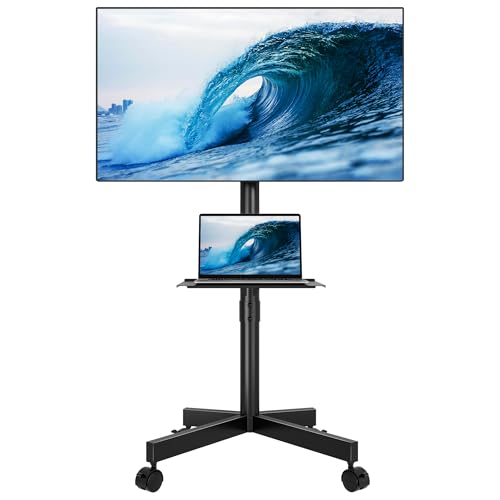
BONTEC Mobile TV Stand, Black
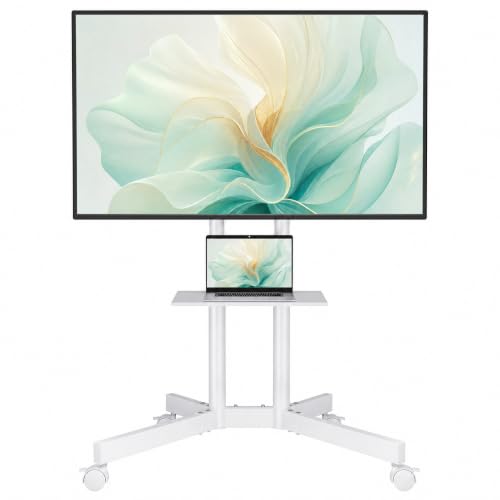
BONTEC Tilting TV Stand, White

Pegzone Shelf Easel TV Stand

PEGZONE Easel TV Stand, White
A Deeper Look At The Lineup
I would place the PEGZONE TV Stand with Power Outlet in a media room where the television, sound system, console, and charging devices all compete for the same wall outlet. The built-in power management adds useful function without requiring a separate power strip to hang beside the screen.
The stand’s broad 43-to-90-inch range and 154-pound capacity make it more accommodating than the compact mobile models in this group. I would still compare the television’s weight and mounting pattern with the listed limits before assembly.
What Helps Most
- Three AC outlets reduce the need for another power strip.
- Two USB ports provide convenient charging points.
- The 154-pound capacity suits many larger televisions.
- The 43-to-90-inch range covers a wide variety of screens.
- Power and charging remain consolidated in the stand.
Practical Considerations
- The television’s weight and mounting-hole pattern still need to match the stand.
- A wide power hub benefits a busy device setup but adds complexity to a simple television arrangement.
Feature Snapshot
Made For
This model fits households with several entertainment devices that need a consolidated power connection.
Where Another Pick Suits Better
The BONTEC Mobile TV Stand, Black serves compact rooms where built-in outlets and charging ports add more complexity than the space can accommodate.
The BONTEC Rolling TV Stand, Black looks more substantial than the smaller BONTEC mobile option because its dual-column steel frame is designed around a higher television-size range. I would favor it for a large screen that needs to move between a viewing area, office, and presentation space.
Its rolling format separates position from permanent furniture placement. The maximum 400-by-400-millimeter VESA pattern is the mounting standard defined by the spacing of a compatible television’s four mounting holes, and that ceiling matters for oversized displays.
Where It Helps
- The steel dual-column frame gives the stand a purposeful industrial profile.
- Rolling mobility makes repositioning part of the furniture’s design.
- The 32-to-75-inch range covers many common display sizes.
- Flat and curved displays can be accommodated within the stated limits.
Trade Offs
- A rolling base needs clear floor space and a surface suitable for its casters.
- The 400-by-400-millimeter VESA limit excludes some larger mounting patterns.
- Its larger steel construction may be less convenient in a tight room than the compact BONTEC model.
Quick Facts
Who It Suits Best
This model suits households and offices that regularly reposition a television between rooms or work areas.
Consider Something Else When
The BONTEC Tilting TV Stand, White is the stronger fit for displays requiring a tilt adjustment rather than straightforward rolling movement.
The BONTEC Mobile TV Stand, Black addresses a narrower need than the larger rolling model: fitting a movable television into a compact room. I would choose it for a home office, studio, or smaller living area where the screen changes position but stays below 65 inches.
The 88-pound limit and 400-by-400-millimeter mounting ceiling keep the compatibility calculation straightforward. Compared with the PEGZONE stand’s built-in electrical hub, this model stays focused on supporting and moving the display rather than supplying extra connections.
Real Benefits
- The 23-to-65-inch range suits compact screens and moderate living spaces.
- Rolling mobility adds flexibility without requiring permanent cabinetry.
Small Caveats
- The 88-pound limit excludes many large displays.
- The 400-by-400-millimeter VESA ceiling narrows the available television options.
Right Fit For
This stand fits compact offices, studios, and living areas that use televisions between 23 and 65 inches.
A Better Fit Elsewhere
The BONTEC Rolling TV Stand, Black better serves a household moving a television between 32-inch and 75-inch screens.
The BONTEC Tilting TV Stand, White brings two useful adjustments to one frame: rolling movement and tilt. I would use the tilt in a room with glare, reflected light, or a seating position that sits noticeably above or below the screen’s center.
Its 32-to-85-inch range is wider than the other BONTEC rolling stands here, while the 121-pound capacity covers a substantial share of larger displays. The broad mounting range extends from 50-by-50 to 600-by-400 millimeters.
Positive Takeaways
- Tilt adds control over viewing height and glare.
- Rolling wheels support movement around the room.
- The 32-to-85-inch range accommodates a wide display spectrum.
- A 121-pound capacity supports many larger televisions.
- The white finish creates a lighter visual profile.
Points To Note
- The television must still fall within the 121-pound and mounting-pattern limits.
Technical Sheet
Built With In Mind
This model supports large-screen owners who value tilt and movement more than built-in power connections.
Swap It Out When
The PEGZONE TV Stand with Power Outlet is the better fit for an entertainment hub needing integrated AC outlets and USB charging.
The Pegzone Shelf Easel TV Stand brings a lighter, more decorative profile to a category dominated by boxy rolling frames. I would consider it for an apartment, bedroom, or living room where the stand itself needs to blend with modern furniture.
The lower shelf adds a practical landing place for a media receiver, small speaker, or remote, while the 45-to-65-inch range and 88-pound capacity cover a moderate television size. Its aligned metal joints distinguish it from wood-heavy furniture designs.
The Case For It
- The easel profile suits modern and Scandinavian-inspired interiors.
- A lower shelf creates a dedicated place for entertainment components.
- Metal joints provide a metal-focused construction for a freestanding display.
Worth Noting
- The 88-pound limit rules out many large displays.
- The 45-to-65-inch range is narrower than the large-screen rolling options.
The Right Fit
This easel stand suits apartment residents and home decorators who value compact style plus a small media shelf.
Reach For A Different Pick When
The PEGZONE Easel TV Stand, White fits larger screens that need rolling movement and a 130-pound capacity.
The PEGZONE Easel TV Stand, White combines the decorative shape of an easel with the practical benefit of rolling movement. I would favor it for a large television in a flexible living space or office where the screen needs frequent repositioning without losing its Scandinavian-style appearance.
Its 49-to-80-inch range and 130-pound capacity exceed the Pegzone Shelf Easel TV Stand on both points. The mounting range of 200-by-200 to 600-by-400 millimeters also gives large displays more than one compatible pattern.
Useful Highlights
- Rolling movement supports active living and office layouts.
- The 49-to-80-inch range targets larger televisions.
- A 130-pound capacity covers many large-display weights.
- The easel shape adds visual character to the room.
Details To Watch
- The screen weight and mounting pattern must both remain within the listed limits.
- Rolling movement calls for a clear route and an appropriate floor surface.
- Televisions with controls near the lower bezel may not suit the easel layout.
Core Details
Whose Shelf It Belongs On
This model suits large-screen households wanting rolling placement with a lighter, less industrial design.
Look Elsewhere When
The BONTEC Tilting TV Stand, White better serves setups that depend on tilt adjustment rather than an easel-style presentation.
What to Check Before Committing to a Metal TV Rack
Start with the television’s mounting pattern
VESA refers to the distance between a television’s four mounting holes, and matching that measurement is the first compatibility check I make. Screen size alone does not confirm that a stand will fit, especially with larger or curved displays that may use wider mounting patterns.
Match load capacity with realistic margins
I compare the television’s listed weight with the stand’s capacity instead of treating the upper limit as the target. A modest margin is sensible for a large panel, while smaller screens can use stands with lower capacity without benefit from an oversized frame.
Choose the movement and shape by room layout
Rolling stands suit rooms where the display changes position, while easel designs emphasize appearance and centered viewing. I also account for doorways, furniture placement, floor condition, and the direction of the television’s controls before choosing between them.
Decide which supporting features earn their space
Integrated outlets and USB ports simplify a crowded media setup, while shelves create a home for a receiver or speaker. I choose only the features the room will regularly use, since every added compartment or connection also affects the stand’s footprint and setup.
Common Mistakes in Metal TV Stand Selection
Wrong Turns To Avoid
The most consequential mistake is matching only by screen size. I verify weight, VESA measurements, and the television’s control layout before selecting a stand, since each constrains compatibility differently.
What The Extra Money Goes Into
Higher-priced models often provide stronger frames, broader size ranges, more flexible mounting patterns, or useful movement and power features. I pay for a specific requirement, such as supporting an 85-inch display or repositioning a screen around a busy room, rather than choosing by appearance alone.
Frequently Asked Questions
What is the most important TV stand compatibility check?
The most important check is the VESA mounting pattern, which represents the spacing of the television’s mounting holes. I also confirm the screen size and listed weight fall within the stand’s limits.
Do all metal TV racks have wheels?
No, rolling bases are a feature rather than a universal part of the category. Fixed and easel-style stands provide a stationary setup, while wheeled models suit rooms that require frequent repositioning.
Is a higher load capacity always necessary?
A higher capacity becomes useful when the television is large or heavier. For a smaller screen within the stated range, additional capacity may remain unused, so the matching specification matters more than the largest available figure.
Can a TV stand include power outlets?
Yes, some stands include household AC outlets and USB charging ports. The PEGZONE TV Stand with Power Outlet is relevant for a media wall with several connected devices.
Should a rolling stand be used on carpet?
A hard, level floor generally provides more predictable caster movement than carpet. I would check the wheels, floor condition, and route before moving a large television across the room.
Final Verdict
I would choose the PEGZONE TV Stand with Power Outlet for a device-heavy media room, the BONTEC Tilting TV Stand for large-screen positioning, and the PEGZONE Easel TV Stand for a stylish rolling setup. Smaller spaces call for the more compact BONTEC Mobile TV Stand, while the Pegzone Shelf Easel TV Stand adds useful storage without taking a rolling approach. The best fit comes down to size, weight, mounting pattern, movement, and the extra features the room genuinely needs.