
A garage door that feels like an oven in July rarely needs more equipment than it needs a proper thermal barrier. I’ve focused these six options on the details that affect real garage use: radiant heat, heat loss, roll dimensions, vapor resistance, weather sealing, and door compatibility.
A reflective layer can slow radiant heat from reaching the interior, while the right coverage keeps a workshop, vehicle bay, or storage area more comfortable. The practical differences come down to door size, installation surface, and whether the main need is cooling, warmth, sound reduction, or closing an air gap.
The Picks In Brief
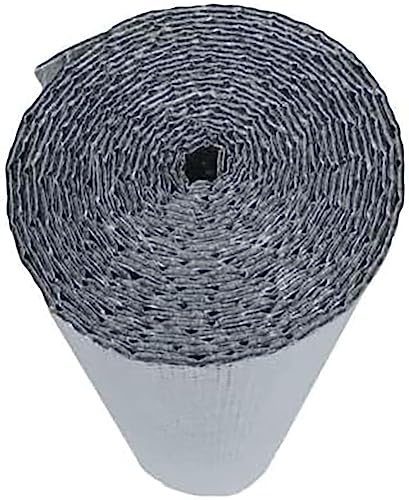
Trade Winds Reflective Bubble Foil Garage Door Insulation, 16 in x 10 ft

SmartSHIELD 3mm Reflective Insulation Roll, 24 x 50 ft

volila Reflective Window Insulation, 48 in x 10 ft

volila Reflective Window Insulation, 24 in x 20 ft

volila Reflective Window Insulation, 48 in x 20 ft

Lusperi 9 ft Clopay Bottom Seal
The Details Behind The Selections
The 16-inch width makes this roll a sensible starting point for a typical single garage door, with enough material to cover several vertical sections. I favor it for a home garage that needs both radiant-barrier and vapor-barrier functions without committing to a large industrial roll.
The 1/8-inch foam-core construction provides a stiffer surface than plain foil alone, while the reflective face works against radiant heat transfer. Compared with SmartSHIELD, the shorter length may be less convenient for a large workshop, but it is easier to manage during a residential installation.
Practical Pluses
- The 16-inch width suits common residential door panels.
- Combining a radiant barrier with a vapor barrier covers two distinct heat-transfer concerns.
- Waterproof and weatherproof construction suits exposed garage-door surfaces.
- Flame-resistant material adds a useful specification for a home workshop.
Things To Consider
- Ten feet may not cover a double garage door or several connected surfaces.
- Seams and edges need careful alignment to preserve consistent reflective coverage.
Key Specs
Made For
This roll fits DIYers insulating a standard residential garage where radiant heat and moisture control are both priorities.
A Better Fit Elsewhere
SmartSHIELD 3mm Reflective Insulation Roll, 24 x 50 ft suits workshop owners needing much more coverage from one roll.
At 24 inches by 50 feet, this is the pick for a workshop, metal building, or garage that needs broad reflective coverage. I value the scale of the roll because fewer lengths mean fewer joints across a large insulated area.
The manufacturer lists the material as reflecting 97% of radiant energy, making that figure more relevant than ordinary foil language. Its foam core also serves as a vapor barrier and sound barrier, giving this option a broader role than simple summer heat control.
Points In Its Favor
- Fifty feet of length reduces the number of seams in a large workspace.
- The listed 97% radiant-energy reflection makes it suitable for radiant-barrier applications.
- Moisture resistance supports indoor or outdoor installation.
- Sound-barrier characteristics benefit workshops with noisy equipment.
Trade Offs
- The 24-inch width is narrower than the 48-inch volila options.
- Handling a large roll requires a clear work area and careful storage.
Technical Highlights
Built With In Mind
Workshop owners and metal-building users benefit most from the long format and multilayer functions.
Another Choice May Suit
volila Reflective Window Insulation, 48 in x 20 ft better serves projects where a wider 48-inch roll reduces cutting work.
A 48-inch roll fits naturally across a common single-car door section, which makes this one of the more practical residential choices. I would favor it for a garage that needs both summer heat control and reduced heat loss without a complicated multi-roll setup.
Unlike the narrower Trade Winds roll, this material spans half the door width in one piece. The double-sided aluminum foil and bubble construction is intended for windows, RVs, and garage doors, giving a DIYer some flexibility beyond a single application.
A Few Strong Suits
- The 48-inch width covers a broad door section with fewer cuts.
- Double-sided foil adds reflective surfaces on both faces of the material.
- One roll can cover the door, RV windows, or selected wall areas.
- The bubble construction separates the reflective faces and adds body.
Small Caveats
- Ten feet is the shorter of the three volila garage-door sizes.
- Coverage of a wide door still depends on matching the roll length carefully.
Quick Facts
Right Fit For
This roll suits homeowners insulating a single-car garage door with a preference for a wide, manageable sheet.
Where A Sibling Pick Shines
volila Reflective Window Insulation, 48 in x 20 ft serves double garages that need twice the roll length.
Keeping the 24-inch width but extending the roll to 20 feet makes this option easier to store than a wide, bulky sheet. I see it as a practical fit for a garage wall, ceiling section, or several smaller panels rather than uninterrupted coverage of a broad door.
The same double-sided aluminum foil bubble construction used in the 48-inch volila rolls supports summer heat reduction and winter heat-loss control. Compared with volila Reflective Window Insulation, 48 in x 10 ft, it trades width for useful length and compact storage.
Benefits That Matter
- Twenty feet of material handles several disconnected areas.
- The narrower roll stores more easily in a crowded garage.
- Double-sided foil supports reflective coverage in either orientation.
Where It May Fall Short
- The 24-inch width requires more side-by-side sections on a wide door.
- Longer coverage can become difficult to handle alone.
Who Will Love This
Compact-storage DIYers and RV owners benefit from the narrow, extended roll format.
Consider Something Else
Trade Winds Reflective Bubble Foil Garage Door Insulation, 16 in x 10 ft better fits a smaller project requiring a vapor barrier.
This 48-by-20-foot roll is built for a larger door or a garage with several surfaces to cover. I favor it for double-car garages because the combination of width and length can reduce the number of pieces that need alignment.
It shares the double-sided aluminum foil bubble construction of the smaller volila rolls, with intended uses spanning windows, RVs, and garage doors. The meaningful upgrade is coverage, not a different material category, so measuring the installation area remains the decisive step.
What Makes Sense
- Forty square feet of nominal sheet coverage suits larger doors.
- The 48-inch width minimizes vertical seams on broad panels.
- One material can cover the door and additional garage surfaces.
- Reflective foil supports both summer heat control and winter heat-loss reduction.
Practical Considerations
- Handling and storing the full roll requires adequate space.
- Obstructions around the garage can interrupt coverage.
Who Should Grab It
Double-garage households and workshop owners benefit from the larger coverage area.
Reach For A Different Pick When
volila Reflective Window Insulation, 24 in x 20 ft better suits a project prioritizing compact storage over width.
Not every garage-door problem calls for reflective sheet. A damaged bottom seal lets outside air and moisture cross the threshold, and this rubber seal targets that narrow opening on compatible 9-foot Clopay doors.
I would pair this with full-panel insulation only after checking the door track. The material provides a practical replacement for an aging seal, but unlike the five foil rolls, it addresses the bottom edge rather than radiant heat across the entire door.
Everyday Perks
- A bottom seal helps limit drafts through the garage threshold.
- Rubber construction suits a part exposed to changing weather.
- The seal addresses a visible failure point without covering the whole door.
Details To Watch
- Compatibility is limited to 9-foot Clopay doors with a single-slot anchor.
- The bottom-track profile must match before purchase.
Feature Snapshot
Whose Shelf It Belongs On
This seal belongs in a household with a compatible 9-foot Clopay garage door and a damaged or loose bottom threshold.
Not Your Match When
Trade Winds Reflective Bubble Foil Garage Door Insulation, 16 in x 10 ft suits a broader need for radiant and vapor control.
What Matters Before Covering a Garage Door
Start With the Heat Problem
A radiant barrier reflects part of the radiant heat moving toward it, which differs from conventional insulation that slows heat transfer through a material. Garage owners dealing with intense sun on metal door panels should look for reflective construction, while those focused mainly on drafts may need a separate weather seal.
Measure the Surface Before the Roll
Door width and height determine how much material is needed, but storage space matters too. A 48-inch roll cuts fewer pieces across a standard door, while a 24-inch roll may be easier to position and store. I also account for the number of panels, hardware, and obstructions before choosing a format.
Check the Door’s Existing Condition
Reflective insulation cannot repair damaged panels, worn weatherstripping, or a mismatched bottom seal. A homeowner dealing with drafts around the frame may get more benefit from correcting those gaps first. Full-door radiant control and threshold sealing solve separate problems.
Match the Material to the Use
The reflective rolls make the most sense on broad, relatively consistent surfaces. The Clopay bottom seal is a specialized replacement for a narrow part of the door, so compatibility with the single-slot track matters more than reflective performance. A careful measurement and visual track check prevent a mismatched installation.
Avoidable Mistakes Before Installation
Where Shoppers Go Wrong
A common error is choosing a roll by advertised length without checking door width. Another mistake is treating a bottom seal as a substitute for full-panel insulation. Measuring the door, counting obstacles, and checking the existing seal produces a more dependable result.
What The Higher Tier Buys
A larger roll may cost more because it provides more material and fewer joints. The added length becomes useful for a double garage or several surfaces, while a compact project may not need it. The material’s core construction and barrier functions are equally important to compare.
Frequently Asked Questions
Is reflective bubble insulation suitable for a garage door?
Reflective bubble insulation suits garage doors where radiant heat and seasonal heat loss are the main concerns. Its effectiveness depends on clean coverage, secure placement, and minimizing gaps between sections.
What roll size fits a standard garage door?
A 48-inch roll fits many single-car door sections across their width, while a 24-inch roll requires more side-by-side sections. Double-car doors commonly need additional length, so measuring height and width remains essential.
Does garage-door insulation block sound?
Some foam-core reflective products also provide sound-barrier characteristics. SmartSHIELD 3mm Reflective Insulation Roll, 24 x 50 ft lists soundproofing as a feature, while the other options emphasize reflective or vapor-barrier functions.
Can reflective foil replace garage-door weatherstripping?
Reflective foil can reduce radiant heat transfer but does not reproduce the function of a bottom weather seal. Lusperi 9 ft Clopay Bottom Seal addresses a narrow threshold opening and requires a compatible 9-foot Clopay single-slot door.
Is a garage-door bottom seal important for insulation?
A properly fitted bottom seal limits drafts and moisture entering through the threshold. It complements reflective insulation rather than replacing it, especially on doors that already have a sound frame seal.
Final Verdict
The best fit comes down to coverage and purpose. Wide volila rolls suit common residential doors, SmartSHIELD handles larger workshop areas, and the Trade Winds roll balances compact handling with radiant and vapor protection. The Lusperi seal is the narrow solution for a compatible Clopay door with a failed bottom edge, not a substitute for insulating the whole panel.