
A power cut during a winter storm turns refrigeration, heating, and indoor lighting into immediate problems. For households connected to natural gas, three Generac standby models provide automatic backup power, while three portable options cover outages without permanent installation.
I separate those two jobs clearly because they demand different equipment. Standby generators need a permanent fuel supply and transfer switch, while portable models offer flexibility for RV trips, tailgates, or limited household circuits.
A Side-By-Side Look

Generac 18kW Standby Generator

Champion 4000W Dual Fuel
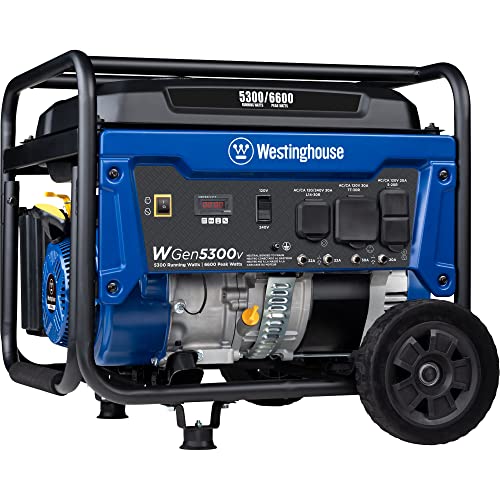
Westinghouse 6600W Transfer-Switch Generator
Generac 22kW Standby Generator
Generac 26kW Standby Generator
A Deeper Look At The Lineup
A power cut during an ice storm is where an installed standby generator earns its place. I see the Generac 18kW Standby Generator as a balanced starting point for households seeking automatic natural gas or LP backup without stepping up to the larger Generac capacities.
The unit starts after sensing a utility failure, so there is no manual startup routine after dark. Unlike the portable choices later in the lineup, it works through a transfer switch and cellular capability for remote monitoring, making it the more settled option for a permanent home installation.
Bright Spots
- I can use existing natural gas or LP supplies instead of handling fuel during an outage.
- Automatic sensing removes the need to rush outside during a power failure.
- Cellular capability gives the owner remote visibility into operating status.
- The 18kW rating sits between the smaller portable units and the 22kW and 26kW models.
Practical Considerations
- I would base the decision on a proper load calculation rather than assuming 18kW covers every household circuit.
- Transfer switch and fuel-line installation require compatible equipment and qualified professional work.
Key Specs
Who It Suits Best
I recommend this model to households with moderate starting loads and an existing natural gas or LP supply.
Where Another Pick Suits Better
Households needing greater portable capacity and outdoor noise control may prefer the Champion 6250W Open Frame Inverter.
At an RV site or tailgate, portability matters more than automatic startup. I find the Champion 4000W Dual Fuel most useful for mobile power, camping, and limited household backup where carrying roughly 55 pounds or less remains manageable.
Dual-fuel capability gives the owner more fuel choice, while the inverter design is intended for sensitive electronic loads. This is not a natural gas standby unit, so it works best for people who value mobility rather than seamless whole-home restoration.
Real Benefits
- I can use either gasoline or propane, which improves fuel availability for travel.
- The sub-55-pound class makes the unit more practical for RV storage and handling.
- Inverter power suits phones, laptops, and other sensitive electronics.
- RV-ready construction fits a mobile power routine better than a fixed installation.
Points To Note
- I would keep expectations realistic about supporting an entire home during an extended outage.
- Refueling and storage remain the owner’s responsibility, unlike an installed natural gas model.
Built With In Mind
I recommend this model for RV travelers, campers, and tailgate hosts who need compact dual-fuel power.
Consider Something Else When
Households seeking automatic restoration from a permanent natural gas supply should examine the Generac 18kW Standby Generator instead.
The Westinghouse 6600W Transfer-Switch Generator fits households that need more connection flexibility than a basic portable model offers. I like the combination of a 120/240V selector, a household receptacle, and dedicated RV and transfer-switch-ready outlets.
Its 5,300 running watts provide more sustained capacity than the peak rating suggests, while the 4.7-gallon tank supports up to 14.5 hours per tank under the stated conditions. Gasoline remains the fuel, so this is a portable natural gas alternative rather than a fixed standby system.
The Upside
- I get 5,300 running watts for equipment that cannot start instantly.
- The 120/240V selector broadens the range of supported household loads.
- Separate household, RV, and 30A transfer-switch outlets simplify connection planning.
- Rubber covers shield the receptacles when the unit is not in use.
- Included oil, funnel, tools, and manual reduce initial setup work.
Small Caveats
- Recoil starting means someone must be present to start the engine.
- The owner must refill it with gasoline and manage a portable unit during severe weather.
Quick Facts
The Right Fit
I recommend this generator for households that want portable power with RV and transfer-switch-ready connections.
A Better Fit Elsewhere
People who need automatic natural gas startup should favor the Generac 22kW Standby Generator over a manually operated portable unit.

Noise becomes easier to manage with a 6,250-watt portable generator when a neighbor sits close to the property line. I see the Champion 6250W Open Frame Inverter as a higher-capacity portable option designed around Quiet Technology, an inverter-based system intended to produce steadier output for compatible equipment.
Champion describes the model as 50% quieter and 20% lighter than a traditional 5,000-watt portable generator. The open frame provides service access, although that exposed layout is better suited to an outdoor operating area than a finished storage space.
Key Advantages
- I get more portable capacity than the Champion 4000W Dual Fuel model.
- Quiet Technology reduces the noise burden during extended outdoor use.
- The open frame makes mechanical service access more practical.
Trade Offs
- I would avoid placing it close to open windows because portable generators need outdoor placement.
- The open frame requires a sheltered storage area that keeps the unit dry.
- It still needs fuel and manual starting rather than a permanent natural gas connection.
Feature Snapshot
Made For
I recommend this model for households needing substantial portable output with less noise than a conventional open-frame generator.
Reach For A Different Pick When
Travelers who prioritize a sub-55-pound weight will find the Champion 4000W Dual Fuel easier to manage.
The 22kW Generac represents the middle ground in this standby lineup, with more capacity than the 18kW model and less than the 26kW option. I see it as a sensible fit for homes with a broader collection of essential loads, particularly where natural gas service already reaches the generator location.
Automatic startup, a transfer switch, and cellular capability create a cleaner ownership experience than managing a portable generator during bad weather. Natural gas and LP compatibility also lets the owner select the permanent fuel arrangement that suits the property.
What Works In Its Favor
- I get a larger starting point than the Generac 18kW Standby Generator.
- Natural gas and LP options use a permanent supply without routine refueling.
- Automatic sensing handles power restoration without manual intervention.
- Cellular capability provides convenient remote operating information.
Things To Consider
- My decision still depends on a calculated load list rather than the 22kW label alone.
- Site preparation, fuel supply, transfer equipment, and electrical connections need professional coordination.
Technical Highlights
Who Will Love This
I recommend the 22kW model to natural gas households seeking more capacity than the 18kW Generac without moving to 26kW.
Another Choice May Suit
Owners with lighter load requirements and a smaller installation budget may find the Generac 18kW Standby Generator more proportionate.
Households with several high-demand appliances need more headroom than a basic essential-load system can provide. I see the Generac 26kW Standby Generator as the highest-capacity natural gas option in this group, with the 22kW model serving as a more moderate alternative.
The permanent installation brings automatic operation, transfer switch control, and cellular monitoring into one package. That convenience comes with installation and equipment considerations, so the extra capacity should follow a measured household load analysis rather than a rough square-foot estimate.
Real-World Strengths
- I get the largest standby capacity listed in the lineup.
- Natural gas and LP compatibility support permanent fuel choices.
- Automatic startup avoids outdoor intervention during an outage.
- The transfer switch coordinates the generator with the home’s electrical system.
- Cellular capability adds remote status information.
Where It May Fall Short
- I would avoid choosing 26kW solely because a home is large, since equipment demands matter more than floor area.
- Installation planning may be more involved than with a smaller portable generator.
- Owners should compare fuel availability, placement, and transfer-switch compatibility before ordering.
Core Details
Whose Shelf It Belongs On
I recommend this model to households with substantial standby loads and professional installation access.
Swap It Out When
Households needing a smaller capacity profile may prefer the Generac 22kW Standby Generator for a more proportionate installation.
What Matters Before Installation Begins
Fuel source and household demand
I begin with the fuel source and an actual list of loads. The three Generac standby models can use natural gas or LP, while the portable products use gasoline or propane. Peak power covers brief startup surges, whereas running power represents the output available continuously.
Transfer switch and placement
A transfer switch prevents conflicting power sources and coordinates generator operation with utility service. I would verify the required switch, electrical rating, fuel-line route, local requirements, and clearance around the installation site before selecting a capacity.
Portability or permanent coverage
I choose portability for RV travel, tailgating, and temporary outages. Permanent coverage is more suitable for refrigeration, lighting, heating controls, and communication equipment. A portable inverter also offers a gentler power profile for sensitive electronics, while a standby system removes fuel handling from the owner.
Common Mistakes in Backup Power Planning
Common Shopping Slip Ups
I see two common errors: treating every appliance as equally critical and confusing peak output with sustained capacity. I would list essential circuits, identify motor-starting appliances, and confirm outlet or transfer-switch compatibility before choosing equipment.
What The Higher Tier Buys
Moving from 18kW to 22kW or 26kW adds capacity for more demanding loads rather than a different operating method. I consider the larger Generac appropriate when a load calculation leaves limited headroom, while lighter households may gain little from the extra capacity.
Frequently Asked Questions
Can a house generator run on natural gas?
Yes. The three Generac standby models accept natural gas or LP through a permanent fuel supply. The Champion and Westinghouse portable models use portable fuel instead.
Which Generac capacity fits my home?
The 18kW, 22kW, and 26kW models suit progressively larger load requirements. I would select one after calculating the appliances, pumps, heating equipment, and starting loads that need support.
Can I use a portable generator for home backup?
Yes, a portable generator can support selected household loads during an outage. The Westinghouse 6600W Transfer-Switch Generator and Champion 6250W Open Frame Inverter offer 120/240V options, while fuel handling remains part of ownership.
Do these generators need a transfer switch?
The Generac packages include transfer-switch equipment, and the Westinghouse model has a transfer-switch-ready 30A outlet. I would have the installation and electrical connection confirmed by a qualified professional.
Is a natural gas standby generator better than a portable one?
A natural gas standby generator provides automatic operation and continuous fuel availability, while a portable model offers mobility and a lower installation requirement. The installed option fits critical household loads, whereas the portable choice works well for temporary and mobile power.
Final Verdict
I would choose the Generac 18kW Standby Generator for moderate natural gas households, the 22kW model for broader essential coverage, and the 26kW option for heavier calculated loads. For travel or selective portable backup, the Champion 4000W Dual Fuel and Champion 6250W Open Frame Inverter offer more flexibility, while the Westinghouse model provides the most varied outlet arrangement among the portable picks.