
A cracked or loose tub surround often needs a bond that can handle moisture, movement, and daily use. These structural epoxy adhesives suit compatible metal, ceramic, glass, wood, composite, and plastic components, but they are not interchangeable with every sealant or construction adhesive. Your repair starts with matching the epoxy to the materials, joint design, and load.
The Lineup, Simplified

3M Scotch-Weld Epoxy DP420 50 mL

3M Scotch-Weld Epoxy DP460NS 50 mL

3M Scotch-Weld Epoxy DP420NS 400 mL
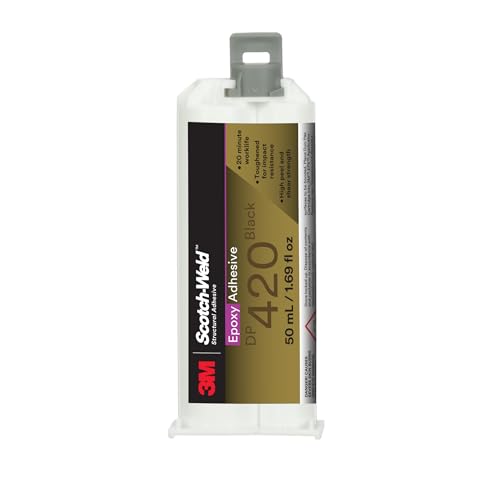
3M Scotch-Weld Epoxy DP420 Black 50 mL

3M Scotch-Weld Epoxy DP100 Plus 48.5 mL

3M Scotch-Weld Epoxy DP190 Gray 48.5 mL
A Breakdown Of The Leading Choices
A tub surround repair can involve several materials, so the adhesive has to cope with more than one substrate. The 3M Scotch-Weld Epoxy DP420 50 mL can bond metals, ceramics, wood, glass, many composites, and plastics, giving mixed-material repairs a practical starting point.
Shear strength measures a bond’s resistance to sliding forces, and this epoxy offers high shear strength for structural work. The 50 mL Duo-Pak format suits focused household repairs, though proper dispensing and mixing require suitable equipment.
Good Reasons To Consider
- Broad material coverage simplifies repairs joining different components.
- High shear strength supports loaded panel and structural joints.
- Works for joining, potting, panel bonding, and general fabrication.
- Off-white color suits assemblies where a dark line would stand out.
Points To Note
- Confirm both surfaces are among the listed compatible materials.
- The two-part format requires accurate dispensing and thorough mixing.
Quick Facts
Who It Suits Best
You benefit most when repairing a small assembly that combines two or more listed materials and needs a structural rather than decorative bond.
Where Another Pick Suits Better
The 3M Scotch-Weld Epoxy DP190 Gray 48.5 mL better serves mixed-material repairs that include rubber or fiberboard.
Vertical and overhead joints place extra demands on an adhesive because gravity can pull the components downward. The 3M Scotch-Weld Epoxy DP460NS 50 mL is non-sag, meaning the mixed epoxy is formulated to resist running while the joint is being assembled.
Its two-part formula mixes at a 2:1 ratio and provides a 60-minute work life, which is the period available for positioning before curing advances. That handling time suits careful installers more than anyone who wants a quick, no-mess repair.
Practical Pluses
- Non-sag formula suits vertical and overhead assemblies.
- Two-part system supports accurate mixing in a 2:1 ratio.
- High impact and stress resistance fits demanding joints.
- Works with metals, ceramics, wood, glass, and some plastics.
- Reaches handling strength in approximately four hours.
Worth Noting
- Accurate metering matters, so a proper dispenser adds a setup step.
- Confirm each plastic is compatible before committing the repair.
Made For In Mind
You benefit most when handling a precise structural joint that needs to stay positioned, particularly above a tub or along a vertical panel edge.
Consider Something Else When
The 3M Scotch-Weld Epoxy DP100 Plus 48.5 mL is a clearer choice for a low-visibility joint that needs a flexible bond rather than a non-sag structural application.
Larger repair jobs can consume a small cartridge quickly, particularly when several brackets, panels, or reinforcement pieces need bonding. The 3M Scotch-Weld Epoxy DP420NS 400 mL provides a larger quantity for that kind of batch work, while its black color suits darker assemblies.
Peel strength measures resistance to a joint being pulled apart at its edge, and this formula provides high peel and shear strength across temperature changes. Its 20-minute work life also leaves useful positioning time, though larger volume does not reduce the need for careful mixing.
What It Does Well
- Large 400 mL quantity supports repeated or extended repairs.
- High peel and shear strength address demanding joint loads.
- Toughened formula resists impact and fatigue.
- Twenty-minute work life supports alignment before curing.
- Black color blends into many dark components.
Small Caveats
- The larger package needs secure, level storage.
- Mixed epoxy cannot be returned once the components combine.
Feature Snapshot
The Right Fit
You benefit most when repairing several substantial components at once and need more adhesive than the compact 50 mL options provide.
Reach For A Different Pick When
The 3M Scotch-Weld Epoxy DP420 Black 50 mL is more practical for one modest household repair with limited storage space.
Not every tub surround repair needs a large cartridge or a non-sag formulation. The 3M Scotch-Weld Epoxy DP420 Black 50 mL keeps the adhesive quantity compact while retaining compatibility with metals, ceramics, wood, glass, many composites, and plastics.
That makes it a sensible option for a single bracket, panel edge, or mixed-material assembly. The black color is less conspicuous on dark fixtures, and the high-shear-strength formula supports structural work without the extra handling burden of a 400 mL package.
Useful Touches
- Compact 50 mL size suits a single focused repair.
- Broad substrate compatibility handles mixed assemblies.
- High shear strength supports structural panel bonding.
- Black finish blends with dark hardware and trim.
Honest Caveats
- Accurate component metering is necessary for a two-part epoxy.
- The joint and surface preparation must suit structural bonding.
- It is less economical for a batch of large assemblies.
Best Suited To
You benefit most when making one compact structural repair and want broad material coverage without carrying a larger adhesive package.
Another Choice May Suit
The 3M Scotch-Weld Epoxy DP420NS 400 mL better serves projects involving several substantial joints or frequent repeat use.
Some repairs are judged as much by appearance as by strength, especially around a light-colored tub surround. The 3M Scotch-Weld Epoxy DP100 Plus 48.5 mL cures clear, making it a more discreet choice for visible joints or transparent components.
Its low viscosity means the mixed epoxy flows readily, while self-leveling helps it settle into a joint. The flexible formulation also suits vibration and impact, although that flexibility makes it less purposeful for a heavy vertical panel than the 3M Scotch-Weld Epoxy DP460NS 50 mL.
Real-World Strengths
- Clear cured color keeps visible joints understated.
- Low viscosity supports easy dispensing and flow.
- Self-leveling finish helps settle the adhesive.
- Flexible bond suits vibration and impact.
- Works with metals, ceramics, glass, and many plastics.
Less Ideal Details
- Confirm the selected plastic is compatible with the epoxy.
- A non-sag formula suits demanding vertical work better.
Essential Details
Who Will Love This
You benefit most when appearance matters and the joint needs a flexible, clear bond rather than a rigid non-sag application.
Swap It Out When
The 3M Scotch-Weld Epoxy DP460NS 50 mL fits better for a heavy vertical joint where resistance to sagging takes priority.
Rubber, fiberboard, glass, and plastics can all appear in a tub surround assembly, which makes broad material compatibility especially useful. The 3M Scotch-Weld Epoxy DP190 Gray 48.5 mL bonds to metals, ceramics, wood, fiberboard, glass, rubber, and many plastics.
High shear and peel strength give it a solid structural profile, while gray offers a practical middle tone for mixed hardware. Compared with the clear DP100 Plus, its color is less discreet, but its broader material list is the more important distinction for mixed assemblies.
Advantages To Know
- Unusually broad compatibility includes rubber and fiberboard.
- High shear strength supports structural connections.
- High peel strength helps resist edge separation.
- Gray tone works with many neutral-colored components.
- Compact 48.5 mL package suits contained repairs.
Trade Offs To Consider
- Gray is more noticeable than a clear cured bond.
- The Duo-Pak format calls for accurate dispensing and mixing.
Key Product Details
Whose Shelf It Belongs On
You benefit most when a single repair includes rubber, fiberboard, or several materials listed for this epoxy.
Where A Sibling Pick Shines
The 3M Scotch-Weld Epoxy DP100 Plus 48.5 mL is preferable for a conspicuous joint where a clear appearance matters more than including rubber.
What Matters Before You Bond a Tub Surround
Identify Every Substrate
Start with the materials already present in the repair. Metal, ceramic, glass, wood, composites, rubber, and plastics do not all respond identically, so confirm compatibility for every surface rather than focusing only on the main panel.
Match the Formula to Joint Position
Non-sag adhesive makes more sense for overhead or vertical joints, while a clear, self-leveling formula suits visible assemblies that need an inconspicuous finish. A larger toughened formula fits repeated structural work where resistance to impact and temperature changes matters.
Account for the Two-Part Format
These epoxies combine separate resin and hardener components. Accurate metering, thorough mixing, and suitable dispensing equipment help you achieve the intended bond, while a compact package reduces waste on a small repair.
Practical Lessons Before You Commit
Common Shopping Slip Ups
Choosing by color alone can hide a material mismatch, and confusing structural adhesive with a flexible seam sealant can create the wrong repair. Check the substrate list, joint position, and intended movement before selecting a formula.
Why Top Tier Costs More
A higher-capacity or non-sag formula may cost more because it serves a more demanding application, not because every repair needs it. The extra expense makes sense for repeated structural work, vertical joints, or difficult positioning, while a small household repair may need less.
Frequently Asked Questions
What type of epoxy works best for a tub surround repair?
A two-part structural epoxy works best for compatible components that need a rigid, load-bearing connection. Joint position, substrate type, and the amount of movement determine the most suitable formula.
Is 3M Scotch-Weld Epoxy DP420 suitable for tub surrounds?
DP420 can bond several materials commonly found around a tub surround, including metal, ceramic, glass, wood, composites, and some plastics. Confirm the exact surfaces and joint conditions before applying it.
Which adhesive is best for an overhead repair?
The 3M Scotch-Weld Epoxy DP460NS 50 mL is suited to vertical or overhead work because its non-sag formula resists running during assembly. Proper mixing and accurate metering remain essential.
Can clear epoxy be used near a visible tub surround edge?
The 3M Scotch-Weld Epoxy DP100 Plus 48.5 mL cures clear and suits low-visibility joints. It offers more flexibility than the structural options, so joint demands should guide the final choice.
Is a larger 400 mL epoxy package wasteful for home repairs?
A 400 mL package is practical for several joints or repeated fabrication work, but it may be excessive for one small repair. The 50 mL versions offer more focused quantities for household projects.
Final Verdict
Your best fit depends on the repair rather than a single universal formula. Choose DP460NS for vertical positioning, DP420NS for larger toughened work, DP100 Plus for clear flexible joints, and DP190 for broad material coverage. Match the adhesive to the components and leave room for careful preparation, dispensing, and curing.