
A refrigerator cycling off during a summer storm makes backup power feel suddenly essential, but the right system depends on the home, available fuel, and how quickly electricity must return. Portable gas generators suit outages where mobility matters, while fixed standby units restore power automatically. A conversion kit adds fuel flexibility, and a battery station covers essential devices without an engine.
I narrowed these six options by output, fuel logistics, installation demands, and outage use cases. The list includes a compact inverter generator, three whole-home systems, a tri-fuel conversion kit, and a battery-powered alternative for households that need simple short-term coverage.
An Overview Of The Picks

Grenergy EU2000i Tri-Fuel Conversion Kit

Honda EU2200i Companion Generator
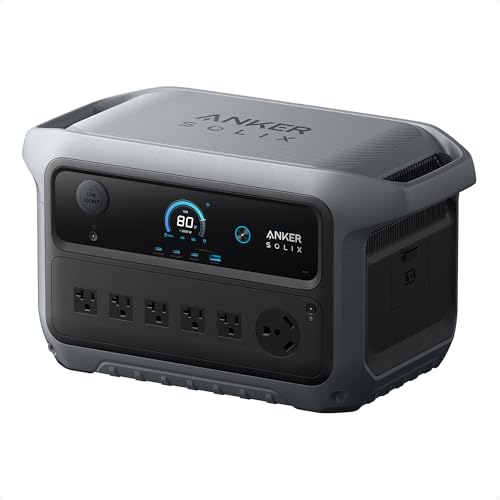
Anker SOLIX C2000 Gen 2 Station

Generac 18kW Whole Home Generator
Generac 22kW Whole Home Generator
Generac 26kW Whole Home Generator
The Picks, Examined More Closely
Fuel flexibility matters when a storm or regional shortage makes gasoline difficult to obtain. This kit lets a compatible Honda EU2000i run on propane, natural gas, or gasoline, giving the same portable generator several fuel paths. It arrives preset for propane and is designed to attach without changing the factory carburetor.
That makes it more useful than a single-fuel conversion for a household managing mixed fuel availability. The trade-off is model-specific compatibility, so the EU2000i designation must match the generator. Compared with the Honda EU2200i Companion Generator, this is an add-on rather than a complete power source.
Notable Upsides
- Three fuel options reduce dependence on one fuel type during disruptions.
- No factory carburetor modification is required for the stated setup.
- Propane preset configuration simplifies initial operation.
Trade Offs
- Compatibility is limited to the specified Honda EU2000i configuration.
- An existing compatible generator is still required; this is not a standalone unit.
Core Details
Made For
Honda EU2000i owners who want one portable generator to run on several fuel sources.
Consider Something Else When
The Honda EU2200i Companion Generator suits households that need a complete portable unit rather than fuel-conversion hardware.
A portable generator becomes far more practical when moving it from a garage to a patio or carrying it toward a camping site takes reasonable effort. At 46.5 pounds, the Honda EU2200i Companion Generator fits that role better than a permanently installed standby system. Its inverter format also suits households that want a compact source for electronics and smaller household loads.
The 2,200-watt output provides useful capacity without turning the unit into a full-home installation. Gasoline fuel and an emphasis on fuel efficiency make it a conventional portable option. The practical limit is capacity, since a 2,200-watt unit is not a substitute for a transfer-switch-equipped standby system.
A Few Strong Suits
- The 46.5-pound weight supports transport between storage and use locations.
- Inverter technology fits power-sensitive household devices.
- Gasoline operation provides a familiar refueling format.
- Quiet-operation design helps in residential settings.
Practical Considerations
- Output is aimed at selected loads rather than comprehensive whole-home coverage.
- Runtime varies with load and fuel conditions, so a load plan matters.
Key Specs
Right Fit
Homeowners needing portable, relatively quiet backup power for selected essentials and portable equipment.
Another Choice May Suit
The Generac 18kW Whole Home Generator serves households that need automatic standby power instead of a manually positioned portable unit.
Some outages call for a refrigerator to stay cold and a few electronics to remain connected, not for every household circuit to restart. The Anker SOLIX C2000 Gen 2 Station takes a different approach with battery storage instead of an engine. It is not a gas generator, but it belongs in the same home-resilience conversation when fuel logistics or indoor placement make combustion equipment impractical.
Its 2,048 watt-hour capacity stores energy, while 2,400 watts represents continuous output and 4,000 watts the peak rating. An expansion battery raises total storage to 4 kilowatt-hours. The claimed dual-door refrigerator runtime reaches 32 hours at the base capacity and 64 hours with expansion, making long refrigerator coverage the central use case.
Features That Help
- No engine means no local gasoline or propane storage requirement.
- The 9-watt standby draw supports lower idle consumption.
- AC and solar charging can restore a full charge in 58 minutes.
- Expansion capacity extends refrigerator support beyond the base configuration.
Small Caveats
- Battery output does not replace a high-output whole-home generator.
- Long refrigerator runtimes depend on the stated dual-door appliance scenario and operating conditions.
Built With In Mind
Camping households, apartment residents, and homeowners prioritizing refrigerator and electronics coverage.
Look Elsewhere When
The Generac 22kW Whole Home Generator better fits a home requiring automatic power restoration across a wider range of circuits.
A household that wants the lights to come back without fetching a portable generator needs automatic standby power. The Generac 18kW Whole Home Generator connects to a permanent fuel supply and starts after it detects a loss of utility power. The included transfer switch coordinates the generator with the home’s electrical system, while cellular connectivity adds a remote-management option.
Among the three Generac systems, 18 kilowatts provides the lowest starting capacity, which may suit a home focused on essential circuits. LP and natural-gas compatibility gives the installation more fuel options than a gasoline-only portable unit. The deciding factor is professional system integration rather than portability.
Practical Advantages
- Automatic startup removes the need to carry equipment outside during an outage.
- The transfer switch is included for whole-home integration.
- LP or natural-gas fuel supports flexible site planning.
- Cellular capability adds connected control hardware.
Points To Note
- 18 kW is the lowest output among the listed standby models.
- Site selection, fuel supply, and electrical integration require careful planning.
Feature Snapshot
Best Suited To
Homeowners prioritizing essential-circuit coverage and automatic restoration within an 18 kW capacity plan.
A Better Fit Elsewhere
The Generac 26kW Whole Home Generator offers more listed output for larger load calculations.
Capacity becomes the main decision once a home moves beyond essential-circuit backup. The Generac 22kW Whole Home Generator sits between the 18 kW and 26 kW models, offering more starting output than the former without reaching the latter’s capacity. Automatic operation and a transfer switch make it a permanent rather than portable solution.
LP or natural-gas service, cellular capability, and automatic startup form a complete installation package. The honest read is that 22 kW looks like a middle path for medium-to-high household loads, but actual equipment selection still depends on a calculated load list. I would avoid choosing output by square footage alone.
Real-World Strengths
- Midrange listed output offers more room than the 18 kW system.
- Automatic restoration works without outdoor setup during an outage.
- Transfer-switch integration is included.
- Cellular capability supports connected management.
Details To Watch
- Capacity remains below the 26 kW option for heavier load calculations.
- Fixed installation requires suitable fuel access and electrical integration.
Who It Suits Best
Homeowners with a mixed list of essential and higher-demand loads that falls between 18 and 26 kW.
Reach For A Different Pick When
The Generac 26kW Whole Home Generator makes more sense when the load calculation points clearly toward higher output.
Homes with numerous powered systems need more starting capacity than the 18 and 22 kW options provide. The Generac 26kW Whole Home Generator leads this list in listed output, making it the strongest fit for a calculated need for additional power headroom. It operates as an installed system rather than a unit moved around during an outage.
The package includes a transfer switch and cellular capability, while LP or natural gas connects the generator to a permanent fuel supply. Automatic startup provides the core standby benefit. The catch is that greater output does not eliminate installation work, and an oversized unit remains a poor choice when the household load list is modest.
Everyday Wins
- 26 kW offers the most starting capacity in this group.
- Automatic operation restores power without manual positioning.
- LP and natural-gas connections support permanent fuel infrastructure.
- Cellular capability adds remote-system access.
Worth Noting
- Fuel access, placement, and electrical integration add installation demands.
- The extra output is unnecessary for a minimal essential-load plan.
Important Details
Whose Shelf It Belongs On
Large homes with a substantial load list and permanent space for a higher-output standby system.
Swap It Out When
The Generac 18kW Whole Home Generator is a more proportionate choice for a plan centered on essential circuits.
What To Match Before Buying Home Backup Power
Start With the Load
I would list every essential appliance, calculate starting and running demand, and then compare that list with the generator’s output. Kilowatts describe power capacity, while watt-hours describe stored energy. A portable inverter generator handles selected loads, while a standby system is designed to support a broader portion of a home.
Match Fuel to the Situation
Gasoline supports portable use, propane simplifies storage, and natural gas fits a permanent installation. The Grenergy EU2000i Tri-Fuel Conversion Kit offers another option for compatible Honda generators, but the conversion hardware remains separate from the generator itself.
Plan Installation and Storage
A transfer-switch-equipped Generac model needs a suitable outdoor location, permanent fuel access, and electrical integration. The Honda EU2200i Companion Generator and Anker SOLIX C2000 Gen 2 Station offer more placement flexibility, although both require a realistic load plan and an appropriate storage place.
Decide on Control Requirements
Automatic startup matters for a home occupied during an outage, while manual setup can work for a simpler emergency kit. Cellular capability is useful in fixed installations, and a battery station can provide useful short-term coverage without engine fuel. The most practical choice follows the household’s actual outage routine.
Avoiding Costly Backup Power Misfits
Mistakes Worth Dodging
Choosing by output alone can leave essential starting loads unmet, while choosing only by energy capacity can produce a unit that cannot handle a refrigerator’s startup demand. I would verify both fuel compatibility and the intended connection before ordering, especially for fuel-conversion hardware and fixed transfer-switch systems.
When Paying More Pays Off
A higher-output model earns its additional cost only when the load calculation requires it. Extra capacity, permanent fuel service, and automatic restoration can be worthwhile for a home that cannot manage a prolonged outage manually, but they add installation and equipment considerations.
Frequently Asked Questions
Do I need a gas generator for every outage?
No. A gas generator is most useful for sustained outage coverage and higher-demand loads, while a battery station can handle selected essentials. The right choice depends on outage duration, available fuel, and the circuits that need power.
Is a 2,200-watt generator enough for a home?
A 2,200-watt generator can cover selected household loads but does not automatically support an entire home. An accurate appliance list and starting-load calculation are essential before assigning it a role.
Can a tri-fuel conversion kit replace a standby generator?
No. The Grenergy EU2000i Tri-Fuel Conversion Kit changes the fuel options of a compatible generator but does not provide automatic transfer, fixed installation, or whole-home output.
Are whole-home generators better than portable ones?
Whole-home generators suit households seeking automatic restoration and broader circuit support. Portable models cost less to install and move more easily, although they require manual setup and fuel access during an outage.
Can a portable power station run a refrigerator?
Yes, within its output and energy limits. The Anker SOLIX C2000 Gen 2 Station is listed for up to 32 hours with a dual-door refrigerator and up to 64 hours after adding the compatible expansion battery.
Final Verdict
The right home backup system starts with the loads that matter most. Portable gasoline power suits selected essentials, the Anker station covers refrigerator and electronics needs without an engine, and the Generac models serve homes ready for permanent automatic installation. Fuel availability and installation constraints usually narrow the field faster than any single specification.