
A double sump pump setup protects more than a basement. It can move water through a primary pump, add battery backup during outages, and handle separate drainage tasks around the house. The right combination depends on your pit size, drainage demands, power reliability, and the type of water involved.
A Quick View Of The Lineup
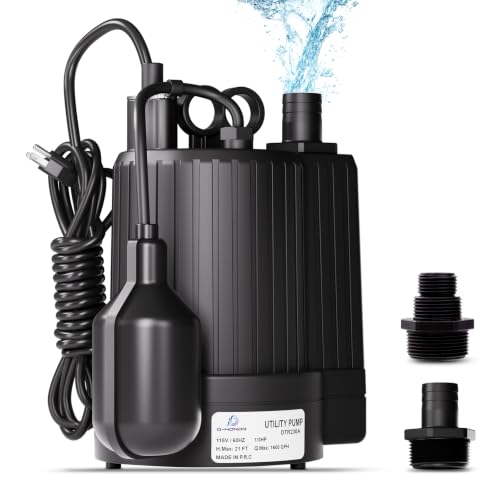
D-HONOR 1/3 HP Submersible Sump Pump with Float Switch

D-Honor 1/10 HP 115V Water Transfer Pump Kit
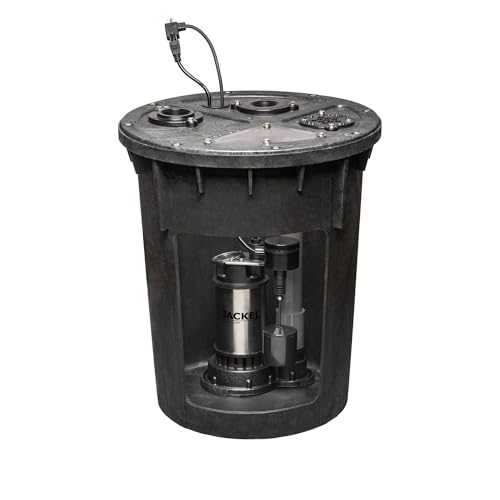
JACKEL 1/2 HP Pre-Plumbed Sump Pump System
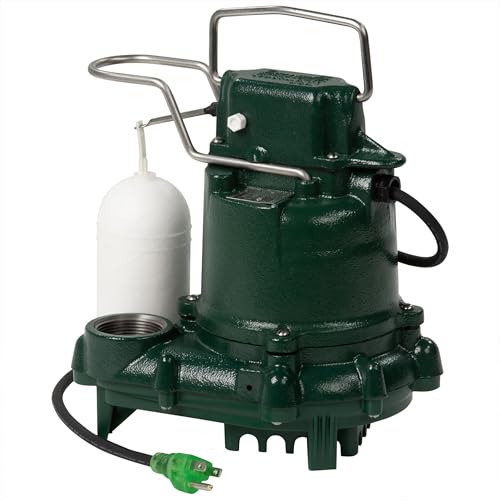
Zoeller M53 Mighty-mate 1/3 HP Sump Pump

Zoeller M98 Flow-Mate 1/2 HP Sump Pump

Basement Watchdog Special CONNECT Backup Pump System

Simer 2925B Sump/Laundry Sink Pump
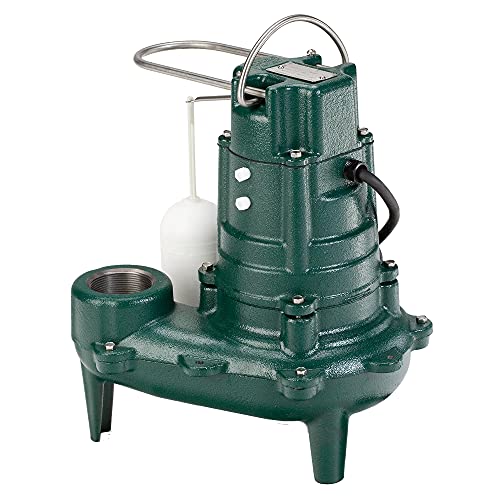
Zoeller Waste-Mate 267-0001 1/2 HP Sewage Pump
Why These Options Stand Out
A basement with a persistent dampness problem needs more than a small utility pump, and this D-HONOR model offers the useful combination of automatic operation and substantial flow. Its 1/3 HP motor, 1,600 GPH rating, and 21-foot maximum lift give it more capacity for a dedicated sump pit than the smaller D-Honor transfer model discussed next.
The float switch starts the pump at a 12.5-inch water level and stops it at 2 inches, while manual operation can drain water down to 1/10 inch. That makes the unit useful for basements, cellars, and window wells, although homes with narrow pits need to measure the available clearance before ordering.
The Helpful Details
- A straight-through 1-1/4-inch discharge path reduces internal resistance during drainage.
- Automatic float control reduces the need for manual starting during ordinary water accumulation.
- Thermal overload protection helps guard the motor from excessive heat.
- The removable strainer keeps particles larger than 1/10 inch away from the impeller.
- Corrosion-resistant thermoplastic construction suits damp sump environments.
Practical Considerations
- The 1,600 GPH figure is a maximum-output specification, so your actual flow will vary with lift height and plumbing.
- Corrosion-resistant thermoplastic offers less weight than a metal housing, which may matter in accessible pits.
Key Specs
Who It Suits Best
This model fits homeowners with a standard residential sump pit who want automatic operation and one dedicated pump for routine drainage.
Where Another Pick Shines
Choose the Basement Watchdog Special CONNECT backup system when a second pump and battery protection matter more than a single all-purpose unit.
Moving water between a rain barrel, pond, pool, or garden bed calls for portability rather than a permanently installed sump pump. This D-Honor 1/10 HP transfer pump includes the hose and basic maintenance parts, so it suits a homeowner who wants one compact tool for several outdoor jobs.
Unlike the D-HONOR 1/3 HP submersible sump pump, this model uses a self-priming design and must remain above the water line. It can move 330 GPH up to 39 feet, while the metal body, coated against corrosion, gives it a useful balance of durability and manageable weight.
What Helps Most
- The included 6-foot hose makes the pump ready for common transfer tasks.
- A low-suction strainer plate draws from shallow water near the bottom of a container.
- The non-slip handle helps with positioning around wet outdoor spaces.
- Spare carbon brushes and a leak-proof gasket support routine upkeep.
Points To Note
- Fill the inlet before startup and stop the pump when the source falls below 1/8 inch.
- Large debris can obstruct the intake, so aquarium work and pond transfers may need an extra screen.
- Its 1/10 HP motor has less capacity than a dedicated sump pump for a high-water basement.
Made For
This pump fits homeowners handling aquarium changes, patio cleaning, garden irrigation, and other relatively low-lift transfer jobs.
Reach For A Different Pick When
Use the D-HONOR 1/3 HP submersible sump pump instead for automatic basement drainage or a substantially greater water-removal demand.
Building a new sump pit involves the basin, cover, discharge pipe, check valve, and several connection points. The JACKEL JPACK22S-250V gathers those parts into a pre-plumbed system, which may simplify planning and installation compared with assembling each component separately.
The 1/2 HP pump uses a stainless-steel housing and cast-iron volute, while the structural-foam basin measures 18 by 24 inches and holds 22 gallons. That footprint is substantial, so a confined crawlspace may require a different arrangement. For a new, correctly sized basin, though, the included plumbing provides a clear advantage.
Notable Upsides
- Schedule 80 PVC discharge piping is included in the assembled system.
- The check valve helps prevent discharged water from flowing back into the basin.
- A clear inspection plate allows a look into the basin without opening the entire cover.
- The piggyback plug provides a convenient connection for an alarm or monitoring setup.
Things To Consider
- The 18-by-24-inch basin needs adequate excavation space and proper drainage around the lid.
- A pre-plumbed system still needs correct discharge height, vent routing, and local code compliance.
Key Product Details
Built With In Mind
This system is a strong fit for a new residential sump installation with enough room for an 18-by-24-inch basin and full discharge plumbing.
A Better Fit Elsewhere
Choose the Zoeller M53 Mighty-mate when you need to add a pump to an existing compatible pit rather than install a complete basin system.
The Zoeller M53 Mighty-mate is built around a straightforward residential sump-pump setup, so it works well beside the more comprehensive JACKEL system in this lineup. Its automatic float switch starts water removal without requiring a separate control, while the 1/3 HP motor provides a conventional level of household capacity.
Cast iron is used for the switch case, motor, and pump housing, with a plastic base. That material combination makes the unit more appropriate for a permanent sump pit than a lightweight transfer pump, especially for homes that want one primary pump paired with battery backup.
Notable Gains
- Automatic float operation simplifies everyday water-level management.
- A vortex impeller helps move water while reducing the likelihood of a blockage from ordinary debris.
- Cast-iron components suit a fixed, damp installation environment.
Small Caveats
- Confirm your discharge-pipe diameter and pit dimensions before replacing an installed pump.
- This is a sump pump rather than a sewage pump, so it is not intended for wastewater solids.
The Right Fit
This model suits a homeowner replacing a standard residential sump pump or creating a primary pump for an existing pit.
Another Choice May Suit
The Zoeller Waste-Mate 267-0001 is the better fit for an effluent or sewage pit where solid-bearing wastewater must be handled.
Moving up from the M53, the Zoeller M98 Flow-Mate brings a 1/2 HP motor, cast-iron construction, and an oil-filled motor to a fixed sump installation. The oil filling supports heat dissipation, while the LED power plug gives you a quick visual indication that the outlet is energized.
Its built-in snap-action float switch provides automatic operation, and the vortex impeller is designed to clear a path through water that may contain debris. For a larger residential pit or a primary pump in a two-pump arrangement, those details give the M98 a more purposeful profile than the 1/3 HP M53.
The Good Stuff
- Cast-iron housing suits permanent sump-pit service.
- The LED plug makes power status easier to check at a glance.
- A 9-foot cord provides useful placement flexibility in a compatible pit.
- Stainless-steel hardware supports corrosion resistance at assembly points.
- The 1/2 HP motor offers greater capacity than the M53.
Trade Offs
- The larger motor and cast-iron body may be heavier to position during service.
- A 9-foot cord still needs a nearby compatible outlet and safe cord routing.
Technical Highlights
Who Will Love This
This pump is a natural fit for a higher-capacity residential sump pit, especially as the primary half of a paired drainage setup.
Swap It Out When
The D-HONOR 1/3 HP submersible sump pump is easier to consider for a small standard pit where motor size and handling matter more than maximum output.
A pump protected by a working battery system changes the risk calculation for a finished basement. The Basement Watchdog Special CONNECT is designed as a backup sump-pump system, with a compact pump, controller, charger, dual float switch, and battery box included in the core package.
The pump is rated to move 2,500 GPH at zero lift and 1,730 GPH at 10 feet of lift, though actual output will depend on the installation. A sensor tracks battery-fluid condition, and the control panel uses warning lights and instructions. The compatible add-on module can add Wi-Fi monitoring, making this the most connected option here.
What Works In Its Favor
- Battery operation provides a second pumping path during a power interruption.
- The compact pump body can suit a smaller or narrower sump pit.
- Warning lights make the control panel easier for a homeowner to interpret.
- A dual float switch offers another layer of water-level control.
- The add-on module supports remote status monitoring through Wi-Fi.
Practical Considerations
- The compatible battery is sold separately and must be part of the installation plan.
- Plumbing, pit size, and discharge routing still need to accommodate a second pump safely.
Essential Details
Best Suited To
This system fits households with a finished basement, a history of outages, and a primary sump pump that needs backup coverage.
Consider Something Else When
Choose the JACKEL pre-plumbed system instead when you are building a new basin and primary discharge system rather than adding outage protection.
A laundry sink creates a drainage problem that a full-size sump pump rarely addresses well. The Simer 2925B is a 1/4 HP pump designed for sump or laundry-sink use, giving apartment residents, home laundry rooms, and finished-basement households a more focused option.
Its purpose is narrower than that of the D-HONOR 1/3 HP unit, and that is not necessarily a disadvantage. A compact pump can sit beneath a sink, move water to a nearby drain, or handle a small local pit without the space requirements of a larger installation. You’ll still need to confirm the outlet, drainage route, and local requirements before installation.
Everyday Perks
- The 1/4 HP motor is suited to localized laundry-sink and small-sump drainage.
- A dedicated design is easier to place in a compact utility area.
- The straightforward format supports straightforward routine use.
Where It May Fall Short
- Its lower output makes it less appropriate for a high-volume basement sump.
- Check the required discharge connection and drainage height before purchasing.
- This model is not presented as a sewage or effluent pump.
The Right Fit
This pump suits a household that needs a compact dedicated unit for a laundry sink or similarly small drainage point.
Not Your Match When
Choose the Zoeller M98 Flow-Mate when your priority is greater output from a permanent residential sump installation.
Rainwater and household wastewater create very different pumping demands. The Zoeller Waste-Mate 267-0001 is built for sewage, effluent, and dewatering applications, with a 1/2 HP motor and a design capable of passing 2-inch spherical solids.
Its float-operated mechanical switch controls automatic operation, while the non-clogging vortex impeller helps maintain flow through wastewater. ASTM Class 25 cast iron forms the structural components. This makes it a specialist option for homes with a sewage or effluent pit, rather than a companion to the cleaner-water pumps elsewhere in this lineup.
Points In Its Favor
- The pump can pass solid waste measuring up to 2 inches.
- A 1/2 HP motor supports substantial wastewater-moving demands.
- Automatic float operation suits an unattended sewage pit.
- Cast-iron construction matches the demands of a permanent installation.
Practical Considerations
- Its waste-handling design is unnecessary for a pit that receives only clean groundwater.
- Discharge routing and vent requirements need to suit the local installation rules.
Feature Facts
Who It Suits Best
This model fits a household or commercial property with a sewage or effluent pit that needs automatic solid-handling capacity.
Look Elsewhere When
Use the Zoeller M53 Mighty-mate instead for a conventional residential sump receiving groundwater rather than sewage solids.
What Matters Before You Build a Two-Pump Setup
Match the Pump to the Water
A clean-water sump pump handles groundwater entering through a pit. A sewage pump handles wastewater carrying solids, while a transfer pump moves water between containers. Matching the pump to the source prevents an unsuitable impeller or intake from encountering material it was not designed to move.
Plan Around Pit and Discharge Dimensions
Basin dimensions, outlet size, vertical lift, and discharge-pipe diameter determine whether a pump fits neatly. Measure the available space and route before ordering, especially for a paired installation where the second pump must share the pit without obstructing the first.
Decide What the Second Pump Does
A true double-pump arrangement can provide added capacity, alternating operation, or battery-backed protection. The Basement Watchdog system serves the backup role, while the D-HONOR and Zoeller models can act as dedicated primary or supplementary pumps in a suitable installation.
Check Electrical and Installation Requirements
Continuous-duty pumps need a proper outlet, grounding, and a discharge route that follows local requirements. The Basement Watchdog also requires a compatible battery, while the JACKEL system requires a correctly sized basin and complete plumbing connection.
Avoid These Sump-Pump Pitfalls
Wrong Turns To Avoid
Choosing by horsepower alone can leave out the details that affect installation. Check water type, pit size, lift height, outlet diameter, and power placement before settling on a model.
Where The Extra Money Goes
Higher-tier systems often spend more on cast-iron construction, integrated basins, battery protection, or monitoring. That expense makes sense for a finished basement, frequent flooding, or a fully assembled installation, while a smaller dedicated pump may handle a simple drainage task.
Frequently Asked Questions
Can Two Sump Pumps Be Installed in One Pit?
Yes, with compatible dimensions, separate discharge requirements, and adequate clearance. A primary and battery-backed pump is a common arrangement, but both units must be plumbed safely.
What Is the Best Sump Pump for a Basement?
The best match depends on water volume, lift height, pit size, and outage needs. The Zoeller M98 suits higher-capacity pumping, while the Basement Watchdog system supports backup protection.
Do I Need a Battery Backup Sump Pump?
A battery backup pump is valuable where outages, finished rooms, or frequent water accumulation raise the consequences of a stopped primary pump. It complements rather than automatically replaces a properly sized primary.
Can a Sump Pump Handle Laundry Water?
A dedicated laundry-sink pump such as the Simer 2925B can handle local wastewater from that fixture. Sewage or effluent applications require a pump designed for solids, such as the Zoeller Waste-Mate.
Which Sump Pump Works Best With a Pre-Plumbed Basin?
The JACKEL JPACK22S-250V is designed as a complete 1/2 HP system with an 18-by-24-inch basin and attached discharge components. Existing installations require compatibility checks before another pump can be added.
Final Verdict
A dependable two-pump setup starts with clearly separated roles. Use a properly sized primary pump for routine drainage, add the Basement Watchdog system for outage protection, and choose a specialist sewage or transfer pump only when the water demands it. Measuring the pit and discharge route before ordering is as important as the motor size.