
A delivery van in the garage before sunrise has no use for a sluggish door or an inaccessible release. Commercial garages add another complication: heavier daily traffic, tighter schedules, and equipment that may need to remain reachable during a power interruption. I compare six control accessories and complete opener systems by considering access, drive type, overhead clearance, connectivity, and installation compatibility.
A Closer Look At The Lineup

LiftMaster 75LM Illuminated Push Button
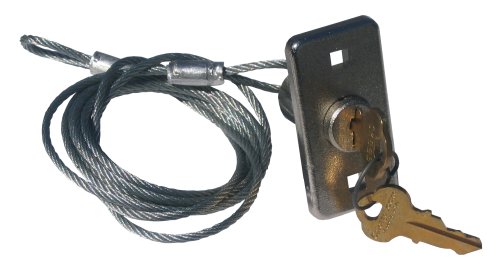
Chamberlain G7702CB-P Quick Release Lock Kit

Chamberlain Wall Mount myQ

FOROIRON Adjustable Garage Door Opener Bracket 18, 21, 24 Inch

Chamberlain Belt Drive myQ

Chamberlain Chain Drive myQ
Taking A Closer Look At The Options
An access door beside a work garage makes a wall control far more convenient than crossing to a separate remote. The LiftMaster 75LM Illuminated Push Button provides a simple wired activation point, and its lighted face makes the control easier to identify in a dim garage.
This compact device can function as an opener button or a doorbell-style control. Its plastic housing is designed to withstand weather exposure, while the included mounting screws simplify wall attachment. Unlike the complete Chamberlain systems in this lineup, it is an accessory rather than a moving opener assembly.
A Favorable Mix
- Serves as both an opener control and a doorbell button.
- Illumination improves visibility in low-light spaces.
- Weather-resistant construction suits exposed garage-side placement.
- Included screws reduce the need for separate mounting hardware.
Things To Consider
- Wired installation requires an appropriate control connection and route through the wall.
- The illuminated face adds little value where the control sits under permanent bright lighting.
Feature Snapshot
Made For
Facilities managers and workshop operators who need a simple illuminated control beside a garage access door.
Where Another Pick Suits Better
Chamberlain Belt Drive myQ is the better fit for garages requiring a complete connected opener system.
Where the LiftMaster 75LM Illuminated Push Button provides a convenient wall control, the Chamberlain G7702CB-P Quick Release Lock Kit addresses a different problem: exterior access during a power loss or opener malfunction. Its manual release remains useful when electrical operation is unavailable.
The silver lock is designed for exterior operation with compatible garage door openers, including systems from different brands. For most vault-style garages without a separate entry door, that distinction matters because the opening itself becomes the access point.
A Few Highlights
- Manual release preserves exterior access during an outage.
- Works with any brand of compatible garage door opener.
- Compact size suits a lock body beside the garage opening.
- Supports access to garages without a separate pedestrian entrance.
Worth Noting
- The release is a manual backup rather than a connected opener system.
- Existing door hardware and opener setup must accept the lock assembly.
Key Specs
Best Suited To
Property operators with vault-style garages that lack a separate entry door and need manual exterior access.
Consider Something Else When
Chamberlain Wall Mount myQ is the better choice for a complete wall-mounted opener with connected control.
Unlike the standalone Chamberlain 7702CB lock, this wall-mounted unit provides a complete opener system. Its vertical configuration, measuring 11.94 by 10 by 28 inches, keeps the main mechanism beside the wall instead of occupying the middle of the garage ceiling.
That arrangement can preserve useful overhead space in a compact work garage, although actual clearance still depends on the door path and surrounding equipment. The myQ connection adds remote monitoring and control, while the included battery backup provides continued operation during an electrical interruption.
Points In Its Favor
- Wall mounting releases valuable ceiling and track space.
- myQ connectivity supports remote garage control and monitoring.
- Battery backup helps maintain access during a power failure.
- The vertical housing can suit garages with limited headroom.
Small Caveats
- The 36-pound unit still requires a suitable wall location and secure fastening.
- Door dimensions, hardware, and installation requirements need confirmation before replacement.
Built With In Mind
Compact garages with limited ceiling clearance and a need for connected wall-mounted opener control.
A Better Fit Elsewhere
Chamberlain Belt Drive myQ suits a garage where a conventional ceiling-track opener layout is preferred.
Replacing an opener’s reinforcement bracket is a different job from replacing the entire opener. The FOROIRON Adjustable Garage Door Opener Bracket addresses that narrower repair, using galvanized steel for the support section that helps carry the opener’s load at the header.
Two sections can be joined to create an extended bracket, while the adjustment options cover 18-, 21-, and 24-inch arrangements. The range is useful in a multi-garage property, although the correct configuration depends on the header and the bracket being replaced.
Useful Highlights
- Galvanized steel provides corrosion resistance.
- Three length options support different header arrangements.
- Two-piece construction creates an extended support.
- A replacement bracket can restore the intended opener support without replacing the whole system.
Points To Note
- The bracket must match the opener, header, and original mounting layout.
- This part supports an existing opener and does not provide a complete drive system.
Core Details
The Right Fit
Technicians replacing compatible opener reinforcement hardware on 18-, 21-, or 24-inch headers.
Look Elsewhere When
Chamberlain Wall Mount myQ is the better option for a full opener installation rather than a bracket repair.
The belt-driven Chamberlain system offers a more conventional full-opener setup than the wall-mounted option. Its 3/4HP motor and belt drive are intended to reduce noise and vibration, making the configuration practical for an attached garage where a louder mechanism would be noticed indoors.
The fixed camera provides visual monitoring, while myQ app support adds connected control. A built-in battery backup helps the door operate during a power interruption, adding a useful layer of access for shops, fleet garages, and busy households with attached parking.
Good Reasons To Consider
- Belt drive supports quieter everyday operation.
- The 3/4HP motor provides a substantial drive configuration.
- Fixed camera adds built-in visual monitoring.
- myQ connectivity centralizes remote opener control.
- Battery backup helps preserve access during outages.
Trade Offs
- Door size, track, hardware, and drive components must be compatible with the installed system.
Technical Highlights
Who It Suits Best
Attached-garage households and small workplaces that value quiet movement, connected control, and outage access.
Another Choice May Suit
Chamberlain Chain Drive myQ is the better fit for garages where chain-drive construction is preferred.
The chain-driven sibling changes the traction format while retaining the key connected features. A 3/4HP motor, fixed camera, myQ app support, and battery backup give this model a similar feature foundation to Chamberlain Belt Drive myQ, but the chain and sprocket create a distinct mechanical layout.
Chain drive can suit garages where that hardware format is preferred, particularly when replacing an existing chain-equipped system. In an attached commercial garage, I would compare the operating characteristics of both drive types against the room, track, and maintenance preferences rather than assume one fits every layout.
Advantages To Know
- 3/4HP motor provides a defined drive power class.
- Chain drive offers a clear alternative to belt-driven equipment.
- Fixed camera supports visual garage monitoring.
- myQ connectivity enables remote opener control.
- Battery backup helps maintain access during outages.
Practical Considerations
- The chain, sprocket, and trolley add moving hardware that benefits from regular visual inspection.
- Existing track, door, and opener compatibility need confirmation before installation.
Who Will Love This
Garage operators with a chain-equipped layout who also want connected control, a fixed camera, and battery support.
Where A Sibling Pick Shines
Chamberlain Belt Drive myQ is the better alternative for a garage where belt-driven construction is the preferred format.
What Matters Before a Commercial Garage Installation
Full Opener or Supporting Hardware
I first separate complete systems from accessories. A wall control, manual release, or reinforcement bracket supports an existing installation, while a complete opener includes the motor, drive, trolley, and related operating components. This distinction prevents a useful part from being mistaken for a full replacement system.
Drive System and Garage Layout
Belt and chain drives move the trolley through different hardware arrangements. Wall-mounted systems trade ceiling space for vertical placement, so door travel, tracks, vehicles, and equipment must be checked before selecting the configuration. I also account for service access around the opener and the door’s full travel path.
Access, Power, and Compatibility
Battery backup matters in garages where an outage could strand vehicles or interrupt work. Connected control and a camera add remote visibility, but they do not replace manual entry planning. Motor power, door dimensions, track style, hardware, and electrical requirements should be matched through the manufacturer’s compatibility information.
Two Details That Change the Purchase
Pitfalls Shoppers Hit
The most common mistake is judging an opener by motor power alone. Door dimensions, track layout, hardware, headroom, and power requirements determine compatibility, while accessories must match the installed system. Another mistake is overlooking manual access before planning the electrical installation.
Why Top Tier Costs More
The added cost can bring a fixed camera, myQ connectivity, battery backup, or a different drive and mounting design. Those additions earn their place in garages where remote access, outage readiness, quiet operation, or limited clearance has measurable value. Basic hardware remains sensible for a targeted repair.
Frequently Asked Questions
Can These Parts Replace a Complete Opener?
No. The LiftMaster 75LM Illuminated Push Button, Chamberlain G7702CB-P lock, and FOROIRON bracket are accessories, while the remaining Chamberlain choices provide complete opener systems. The required function determines which category fits.
Which Layout Saves the Most Space?
Chamberlain Wall Mount myQ is designed to keep the opener beside the wall rather than beneath the center of the ceiling. Actual space depends on door travel, tracks, vehicles, and nearby equipment, so measurements remain essential.
Is a Belt or Chain Drive Better?
A belt drive is the quieter-oriented choice for an attached garage, while a chain drive suits installations where chain hardware is preferred. Both 3/4HP Chamberlain models include a camera, myQ support, and battery backup, so drive format is the clearest distinction.
What Does Battery Backup Change?
Battery backup allows the opener to continue operating during an electrical interruption. It improves access continuity but does not replace correct sizing, installation, or routine maintenance.
How Do I Check Part Compatibility?
I compare the model, door dimensions, track arrangement, mounting locations, and existing hardware with the manufacturer’s guidance. Replacing a complete system also requires checking electrical requirements and available clearance.
Final Verdict
I would choose Chamberlain Wall Mount myQ for constrained overhead space, Chamberlain Belt Drive myQ for quieter attached-garage use, and Chamberlain Chain Drive myQ where chain hardware is preferred. For a targeted access or reinforcement repair, the LiftMaster button, Chamberlain release lock, and FOROIRON bracket offer clearer solutions than a complete opener replacement. The right choice comes down to the existing garage layout and the access problem that needs solving.