
A plain gray garage floor can make a workshop feel unfinished, especially under fluorescent lights. I focus on color pigments, decorative flakes, and coating systems that can add character while supporting the demands of daily parking, tools, oil, salt, and hot tires.
The Shortlist At A Glance

GOODTAKE Blue Iron Oxide Concrete Pigment Powder for Brick, Tile, Grout, Paint, 4 oz

Foundation Armor AR500 High Gloss Concrete Sealer, 5 Gallon
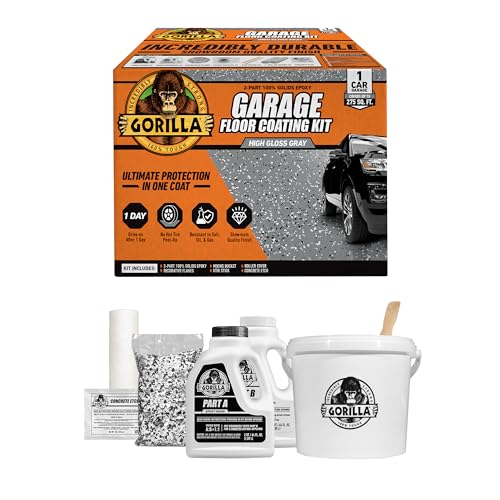
Gorilla Epoxy 1-Car 275 sq ft Kit
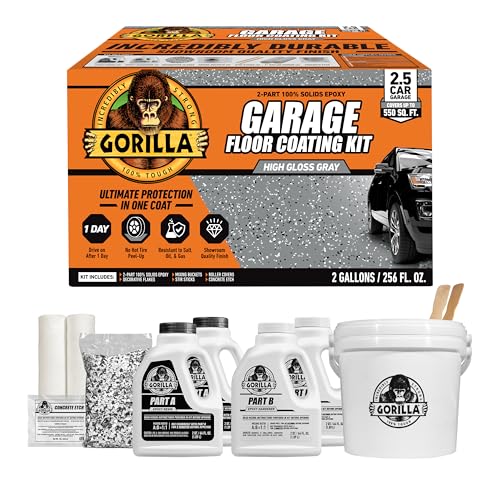
Gorilla Epoxy 550 sq ft Kit

Gorilla Metallic Black Blend

Huixiang Green Iron Oxide Concrete Pigment Powder for Brick, Tile, Grout, 7 oz
Meet The Standout Selections
Blue is easier to introduce during a fresh concrete pour than to add later to a cured epoxy surface, and that distinction makes GOODTAKE most relevant to masonry projects. Its blue iron oxide pigment is intended for concrete, brick, tile, clay, mortar, grout, plaster, and paint, giving me a practical reason to consider it for a decorative slab or mixed-material project.
The listed iron oxide content exceeds 95%, while the powder is described as waterproof, sunscreen-resistant, and capable of strong hiding. For a small batch, the 4-ounce container may be practical, though the exact dosage depends on the material and intended shade.
Practical Advantages
- Adds blue color directly during the mixing process.
- Suits concrete, mortar, grout, tile, and several other materials.
- The 4-ounce size suits small sample batches.
Points To Note
- This is a pigment for mixed material, not a coating for an existing garage floor.
- The compact container may require multiple purchases for a larger pour.
Quick Facts
Right Fit For
Small-scale concrete, brick, grout, or tile projects that need blue color incorporated during mixing.
Another Choice May Suit
Huixiang Green Iron Oxide Concrete Pigment Powder better fits larger green-toned masonry batches.
A wet-look finish can make outdoor concrete appear deeper and more uniform, but the Foundation Armor AR500 is a sealer rather than an epoxy color system. That distinction makes it relevant to driveways, patios, and paver projects where the concrete already exists and the goal is enhancement rather than a new resin floor.
This 5-gallon version uses a solvent-based acrylic formulation and provides a high-gloss finish for exterior concrete and pavers. The listed 700 VOC option is worth comparing with the available 50 and 350 VOC versions, particularly in a busy garage or near an attached residence.
Strong Points
- Enhances the appearance of existing concrete and pavers.
- Creates a glossy, wet-look surface.
- The five-gallon quantity suits larger outdoor areas.
- Lower-VOC versions are also listed.
Practical Considerations
- This sealer does not replace an epoxy garage-floor coating.
- Storage space and handling needs increase with a five-gallon container.
At A Glance
Built With In Mind
Large exterior concrete and paver projects where color enhancement comes before epoxy-floor installation.
Where Another Pick Shines
Gorilla Epoxy 1-Car 275 sq ft Kit is the stronger fit for a garage requiring a complete resin coating.
A standard one-car garage is the clearest reason to focus on the Gorilla Epoxy 1-Car 275 sq ft Kit. Its listed 275-square-foot coverage and one gallon of material align with the kit’s intended space, reducing the mismatch that can occur when a compact garage receives a system sized for a much larger floor.
The coating uses a two-part, 100% solids epoxy system, meaning it uses a solvent-free resin format rather than a water-thinned floor paint. It is self-leveling and designed for a thick, one-coat application with resistance to chemicals, abrasion, salt, oil, gas, and hot tire pickup. For a workshop or daily-driver garage, those attributes matter more than a decorative color alone.
What Stands Out
- One-coat coverage is specified for the included 275 square feet.
- Resists oil, gas, salt, abrasion, and hot tire pickup.
- The self-leveling formula suits a detailed floor surface.
- Low-VOC, high-gloss finish adds visual depth.
Where It May Fall Short
- Two-part epoxy requires careful measuring and mixing before application.
- A larger garage needs the 550-square-foot Gorilla kit instead.
Who Will Love This
Home garage projects with a one-car footprint that need chemical resistance and a glossy finish.
Reach For A Different Pick When
Gorilla Epoxy 550 sq ft Kit better fits larger garages and avoids short coverage.
The Gorilla Epoxy 550 sq ft Kit moves beyond a one-car footprint with two gallons of material and 550 square feet of listed coverage. That scale makes it the more practical choice for a larger two-and-a-half-car garage, particularly where a workshop area, storage zone, or wide equipment lane shares the same slab.
Like the smaller kit, it uses two-part, 100% solids epoxy in a self-leveling system intended for a thick, one-coat application. The stated resistance to abrasion, chemicals, salt, oil, gas, and hot tire pickup suits active garages. The high-gloss result also provides a cleaner visual base for optional decorative flakes.
What Works In Its Favor
- Covers twice the area of the one-car Gorilla kit.
- Two gallons support a continuous larger-floor application.
- Resists common workshop and vehicle-floor contaminants.
- Supports a glossy, decorative finish.
Some Limits To Know
- Two gallons require adequate storage and careful batch planning.
- Coverage remains tied to the stated square-foot limit.
Technical Sheet
Made For Larger Garages
Two-and-a-half-car garages, workshops, and storage-heavy floors that need one continuous epoxy system.
Look Elsewhere When
Gorilla Epoxy 1-Car 275 sq ft Kit offers a more proportionate quantity for a standard one-car garage.
A uniform black garage floor can disappear under dust and scattered surface marks, while a metallic flake blend introduces visible depth. Gorilla Metallic Black Blend combines black, gray, and metallic flakes in a decorative format intended to match Gorilla garage-floor coating kits.
The flakes can help disguise minor blemishes, dust, and debris by breaking up the visual uniformity of the coated surface. I see the strongest use in a finished garage where visual texture matters alongside resistance to chemicals and vehicle wear. Used with the right coating, this becomes a design layer rather than a substitute for the coating itself.
Noteworthy Benefits
- Adds metallic contrast to a dark coated floor.
- Matches Gorilla garage-floor coating kits.
- Helps reduce the appearance of small surface blemishes.
- Works with the black and gray tones found in many garage spaces.
Details To Watch
- Flakes alone do not create a complete protective floor coating.
- Coating instructions should be checked for compatible application methods.
The Right Fit
Garage floor projects centered on a dark, metallic appearance with decorative texture rather than pigmented concrete.
A Better Fit Elsewhere
GOODTAKE Blue Iron Oxide Concrete Pigment Powder suits a fresh masonry pour that needs inherent blue color.
Green pigment powder gives fresh concrete, brick, mortar, grout, and related materials a color that cannot be added to an already cured surface without another coating system. Huixiang offers the pigment in a 7-ounce container, weighing 0.44 pounds, which provides a larger listed amount than the 4-ounce GOODTAKE option.
The powder is described as waterproof, sunscreen-resistant, alkali-resistant, and acid-resistant, with strong hiding power. Those properties make it relevant for decorative concrete exposed to varied conditions, including a garden path, feature wall, tiled project, or floor assembled from colored mortar and grout.
Benefits That Matter
- Adds green color across several masonry and tile materials.
- The 7-ounce container holds more pigment than a 4-ounce package.
- Waterproof and alkali resistance suit exposed masonry conditions.
- Strong hiding power supports richer color coverage.
Small Caveats
- Green powder cannot recolor cured epoxy without another suitable system.
- Accurate dosage depends on the batch material and desired shade.
Core Details
Who Should Grab It
Decorative masonry and tile projects that need green pigment incorporated directly into the material.
Not Your Match When
Gorilla Epoxy 1-Car 275 sq ft Kit fits an existing garage that needs a protective resin floor.
What Matters Before Coloring a Garage Floor
Pigment, flakes, and sealers solve different problems
Concrete pigment colors material while it is mixed, decorative flakes add texture over a coating, and a sealer enhances or protects an existing surface. A garage that already has cured concrete needs an appropriate coating system, while a new concrete pour can accept pigment directly.
Coverage should follow the garage layout
The Gorilla 275-square-foot kit targets a standard one-car garage, while the 550-square-foot version covers a larger two-and-a-half-car space. I would measure the slab, subtract areas occupied by fixed equipment, and compare those dimensions with the listed coverage before opening either kit.
Finish and application method affect the result
A high-gloss epoxy surface emphasizes light and reflections, while metallic flakes add depth to a dark base. Solvent-based sealers carry a different application profile from two-part epoxy, so surface condition, ventilation, mixing discipline, and cure time deserve attention.
A small test batch can prevent a costly mismatch
Pigment shades can shift with the base material, amount of water, and mixing process. A measured sample batch offers a more dependable basis for the final color than relying on the powder container alone.
Avoidable Mistakes in Garage Color Projects
Mistakes Worth Dodging
Pigment does not replace a floor coating, and decorative flakes do not provide one either. Confirming the floor’s age, surface condition, and intended finish prevents a color-only product from being asked to handle traffic and contamination.
What Separates Premium From Basic
Larger coverage, higher-solids epoxy, or lower-VOC sealer options cost more because they contain more material or use a more specialized formulation. The upgrade is worthwhile when the floor size, ventilation level, or daily vehicle load justifies those features.
Frequently Asked Questions
Can concrete pigment change an existing epoxy garage floor?
No. Concrete pigment colors material during mixing and does not recolor a cured epoxy floor. An existing floor needs a coating or surface treatment designed for that substrate.
Is pigment powder the same as a finished epoxy coating?
No. Pigment is a colorant without the complete resin, hardener, and protective finish of a garage-floor kit. A pigment addition and an epoxy system solve separate parts of the project.
How much Gorilla garage-floor coverage is needed?
The 275-square-foot kit is listed for a standard one-car garage, while the 550-square-foot kit targets a two-and-a-half-car garage. Measuring the usable slab provides a more reliable basis for choosing.
Are decorative flakes required for a coated garage floor?
No. Flakes are a decorative option that adds metallic depth and helps disguise minor visual imperfections. A coating remains necessary for the protective floor surface.
Which pigment color fits a masonry project?
Blue and green iron oxide powders suit projects that need color added during mixing. The selected shade should be tested with the exact concrete, mortar, grout, or tile material before the full batch is mixed.
Final Verdict
I would choose a Gorilla epoxy kit for an existing garage, decorative flakes for a coordinated black-and-metallic floor, and concrete pigment for a fresh masonry pour. The main decision is not simply which color looks best, but which layer of the project needs color or protection. Matching the product to that layer creates the most sensible result.