
A garage remote that stops opening the door usually needs a replacement battery, not a new opener. I’ve organized these options around battery shape, voltage, chemistry, and storage life, so you can match the right cell to your remote, key fob, or other compact device.
The Lineup, Simplified

PHILIPS 9V Lithium Batteries 4 Pack

PHILIPS 9V Alkaline 4 Pack
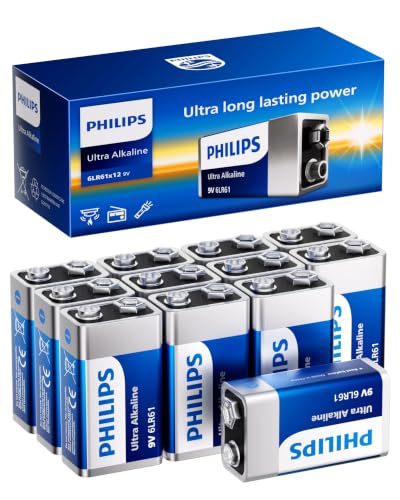
PHILIPS 9V Alkaline 12-Pack

Energizer 2016 Lithium Batteries, 2 Pack
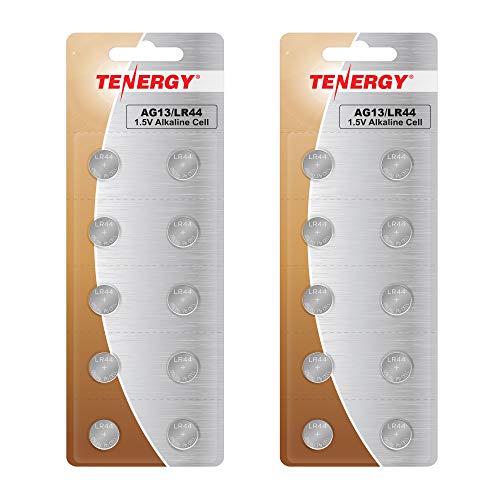
Tenergy LR44 1.5V Button Cell Batteries, 20 Count for Small Electronics

Tenergy CR2032 3V Lithium Button Batteries, 10 Count for Key Fobs and Trackers
What Each Pick Brings To The Table
A rectangular 9V battery is the first format to check for a traditional garage-door remote. This PHILIPS set uses lithium chemistry and provides 1,200mAh of capacity, meaning it holds more charge than a typical alkaline cell and suits devices that draw power steadily.
Compared with the alkaline choices later in the list, this pack favors dependable output over long-term shelf storage. It also fits smoke alarms, carbon monoxide detectors, and emergency security equipment, making it a practical multi-device reserve for a busy home.
Bright Spots
- The 1,200mAh rating supports high-drain household electronics.
- Lithium chemistry suits frequently used garage and security devices.
- Four cells provide a manageable reserve for remotes and detectors.
Things To Consider
- These are non-rechargeable cells, so spent batteries need replacement.
Key Specs
Made For
This set suits households with 9V garage remotes, high-drain security equipment, and several devices that need dependable standby power.
Another Choice May Suit
PHILIPS 9V Alkaline 4 Pack serves shoppers who prioritize multi-year storage over lithium capacity.
Storage life becomes important when a battery may sit untouched in a drawer or emergency kit. This PHILIPS 9V alkaline set is designed to retain useful power for up to 10 years under proper storage conditions, with low self-discharge reducing the chance of finding depleted cells after a long lapse.
That makes it a sensible alternative to the preceding lithium pack for occasional replacement rather than regular use. Alkaline cells remain familiar, widely compatible, and straightforward for anyone replacing a standard 9V garage remote battery.
A Strong Showing
- The claimed 10-year storage life supports emergency-kit planning.
- Low self-discharge helps preserve charge during extended storage.
- Standard 9V alkaline format fits many common remote compartments.
Worth Noting
- Alkaline chemistry offers less capacity than the 1,200mAh lithium option.
- Long shelf life applies to properly stored batteries, not regular use.
Feature Snapshot
Right Fit For
This pack fits households that keep spare 9V batteries for occasional garage remote changes and emergency equipment.
Look Elsewhere When
PHILIPS 9V Lithium Batteries 4 Pack is the stronger fit for a high-drain device operated regularly.
The practical difference here is quantity rather than chemistry. This PHILIPS pack contains twelve 9V alkaline cells, giving a household enough replacements for several garage remotes, smoke alarms, carbon monoxide detectors, and other compatible equipment without replenishing the cabinet frequently.
The stated shelf life of up to 10 years also makes bulk storage practical, assuming proper storage conditions. Compared with the four-cell alkaline pack, this option costs more in space and initial outlay, so it works best for homes that regularly rotate batteries across several devices.
Strengths Worth Knowing
- Twelve batteries cover a broad range of 9V household devices.
- Long storage life suits backup cabinets and emergency kits.
- One bulk purchase reduces the need for frequent restocking.
Minor Gripes
- Twelve cells require more storage space than a four-cell set.
- Alkaline cells are less suited to high-drain use than the lithium option.
Who Will Love This
Homeowners with several 9V devices and a centralized battery cabinet get the most value from the larger quantity.
Where A Sibling Pick Shines
PHILIPS 9V Lithium Batteries 4 Pack better serves a household needing fewer cells with greater capacity.
Not every garage control uses a rectangular 9V cell. This Energizer pack contains two 3V 2016 lithium coin batteries, a format found in some compact remotes, key devices, and other small electronics, so matching the printed model number is essential.
Its more distinctive attribute is the 3-in-1 Child Shield. The system combines a blue color alert, a bitter coating, and child-resistant packaging, adding several visible safeguards for households where loose button cells could be reached by a curious child.
Where It Excels
- Three complementary protections reduce handling risks around children.
- The blue mouth alert gives caregivers an immediate visual warning.
- Two 2016 cells cover compatible devices without a larger battery pack.
Small Caveats
- The 2016 designation must match the battery compartment exactly.
- Two cells offer a smaller replacement reserve than the Tenergy packs.
Technical Highlights
Built With In Mind
Families with young children benefit most from the layered protection, provided the remote requires a 2016 cell.
Consider Something Else When
Tenergy LR44 1.5V Button Cell Batteries are the better fit for a device marked for LR44 or AG13.
A 1.5-volt LR44 cell is a round button cell, but it is not interchangeable with a 3-volt CR2032. This Tenergy pack includes twenty LR44 batteries, an AG13 equivalent commonly found in watches, laser pointers, calculators, thermometers, small radios, toys, and portable electronics.
The twenty-cell quantity makes it useful for a household with several compatible devices or for keeping a small stock in a junk drawer. Low internal resistance helps these cells deliver steady power to small electronics, although the device’s marked voltage and model number should guide the purchase.
Benefits That Matter
- Twenty cells provide a generous reserve for frequently replaced electronics.
- Low internal resistance supports steady output in small devices.
- LR44 and AG13 labeling simplifies common compatibility checks.
Practical Considerations
- The 1.5-volt rating will not suit a device that requires CR2032 power.
- Twenty small cells need a sealed container to prevent loose battery hazards.
Core Details
Made For
Shops with several LR44 watches, small radios, laser pointers, or other low-drain electronics benefit from the larger count.
Reach For A Different Pick When
Tenergy CR2032 3V Lithium Button Batteries fit a key fob or tracker that specifically calls for CR2032.
Many wireless key fobs and compact trackers use the flat CR2032 format rather than a rectangular 9V battery. This Tenergy pack contains ten 3V lithium CR2032 cells, making it a practical match for key fobs, calculators, coin counters, watches, and other electronics that call for that model number.
The stated operating range extends from approximately minus 4°F to 140°F, which is useful for a vehicle key fob exposed to changing temperatures. Compared with the Tenergy LR44 set, the CR2032 offers higher voltage in a thinner format, but the two are not interchangeable.
What Works In Its Favor
- Ten cells cover several key fobs, trackers, and household devices.
- The broad temperature range suits vehicle and outdoor storage.
- Lithium chemistry supports dependable 3V output.
- The flat CR2032 shape fits many key-fob compartments.
Details To Watch
- A CR2032 will not fit a compartment designed for a 9V or LR44 cell.
- Recessed compartments can require a narrow tool or careful removal method.
Feature Facts
Whose Shelf It Belongs On
Drivers and households managing several CR2032 key fobs or trackers get the most useful combination of fit and quantity.
Swap It Out When
PHILIPS 9V Alkaline 4 Pack is the better choice for a rectangular garage opener remote marked for 9V.
Start With the Shape and Model Number
The most important step is matching the replacement to the marking inside the remote compartment. A 9V battery has a rectangular shape, while button cells are flat and round. Voltage and model numbers then narrow the field, since 1.5V LR44 and 3V CR2032 cells may look similar but fit different devices.
Identify the Garage Remote Format
Traditional garage openers often use a 9V rectangular battery, making the PHILIPS lithium and alkaline sets the relevant choices. Some compact key fobs use button cells instead, where the printed 2016, LR44, or CR2032 designation decides the match. I would not judge compatibility by diameter alone because several button-cell standards share a similar shape.
Match Chemistry to the Use
Lithium generally serves high-drain or frequently operated equipment better, while alkaline is a familiar choice for standard 9V devices and long-term reserve stock. Shelf life matters for batteries that remain untouched; capacity matters more for a remote, alarm, or detector that draws regular power. Those different priorities explain why the PHILIPS lithium and alkaline options can be equally sensible in different homes.
Consider the Replacement Stock
A four-cell pack balances price and storage space for a household with one or two compatible devices. Twelve or twenty cells make more sense when several remotes and household electronics use the same format. For round cells, a small sealed container also keeps loose batteries together and out of reach of children.
Two Details That Prevent a Return
Mistakes Worth Dodging
The most common error is assuming every garage remote accepts the same battery. Another is relying on shape alone when the compartment prints a model number, especially with 2016, LR44, and CR2032 cells. Checking the original remote manual or the embossed battery label avoids an unnecessary trip back to the hardware store.
What the Higher Tier Buys
Lithium 9V cells generally provide greater capacity than alkaline alternatives, while larger alkaline packs mainly add quantity and shelf-life convenience. A premium chemistry earns its place in high-drain equipment, while a larger basic pack is more sensible for storage. The best upgrade depends on how often the device runs and how long the spare battery sits unused.
Frequently Asked Questions
What battery does a standard garage remote use?
Most traditional garage-door remotes use a rectangular 9V battery, though some compact controls use a button cell. Check the battery compartment or the model printed on the remote before ordering.
Can I use a CR2032 instead of a 9V battery?
No. A CR2032 has a different shape, thickness, and voltage from a 9V battery, so it will not fit or power the same compartment. Use the exact format identified inside the remote.
Are lithium garage remote batteries better than alkaline?
Lithium 9V cells suit frequently used or high-drain devices because of their higher capacity. Alkaline batteries remain appropriate for standard remotes and long-term replacement stock, particularly when shelf life is the priority.
How many replacement batteries should I keep?
A four-pack suits a household with one or two compatible devices, while a twelve-pack covers several alarms, detectors, and remotes. Button-cell packs of ten or twenty make sense when several key fobs and small electronics share the same battery format.
What should I do with used button-cell batteries?
Store used button cells in a secure container until they can be taken to a suitable battery collection point. Keeping loose button cells together reduces the chance that a child or pet reaches one.
Final Verdict
For a rectangular garage opener, start with the PHILIPS 9V options: lithium serves regular or high-drain use, while alkaline favors long-term storage. For compact wireless controls, verify the 2016, LR44, or CR2032 marking before choosing. The correct model number matters more than the brand or a broad description of the device.