
A storm can knock out power just as groundwater rises through a sump basin. A battery backup gives your existing sump pump another source of power, while a high-water alarm adds an early warning when water reaches a set level. The right setup depends on your pump’s electrical needs, basin layout, and the amount of warning you want.
The Main Contenders

Liberty Pumps 442-10A-EYE StormCell 12V Backup System

Liberty PC237-441 1/3 HP System
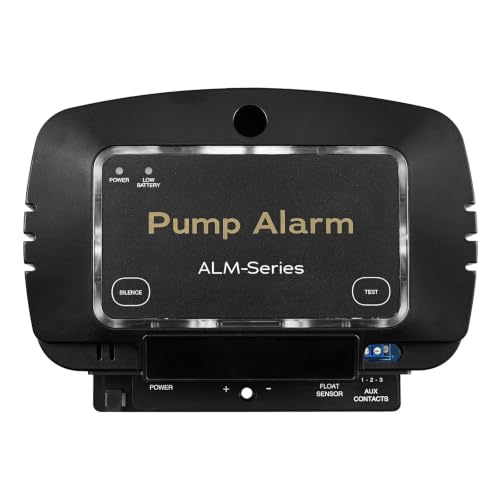
YOOYAAFAN ALM-2-1 Liquid Level Alarm, 10 ft Float, 9V Backup

OLTEANP 2500W Sump Pump Battery Backup, Pure Sine Wave Inverter

OLTEANP 1500W Sump Pump Battery Backup, Pure Sine Wave Inverter

OLTEANP 2000W Sump Pump Battery Backup, Pure Sine Wave Inverter

Red Lion RL-SPBS 12V Backup System

Zoeller 508-0007 Aquanot ProPak98
A Breakdown Of The Leading Choices
Rainfall can fill a basement faster than a stopped pump can clear it, and the Liberty Pumps 442-10A-EYE brings primary and backup pumping into one assembly. The supplied design includes a 115-volt primary pump, 12-volt backup pump, connecting PVC, and a rubber coupler, reducing the number of separate pumping components you must coordinate.
NightEye wireless monitoring makes this a stronger fit for you who want status information away from the basement. Compared with the Liberty PC237-441, it gives you a more explicitly integrated package with named piping, check valves, and remote monitoring.
The Good Stuff
- The preassembled arrangement simplifies comparison with a separate inverter and backup pump.
- Check valves on both pumps help direct water through the intended discharge path.
- One-and-a-half-inch PVC and its rubber coupler provide a defined connection between the pumps.
- NightEye adds wireless monitoring and notifications beyond basic pump operation.
Things To Consider
- Check basin dimensions and discharge-pipe placement because a complete assembly still has to fit the installation space.
- The 10A model designation and 442-10A configuration require matching with your planned Liberty components.
Key Specs
Built With In Mind
This package suits you with a conventional clear-water sump basin who wants an assembled primary-and-backup arrangement plus remote monitoring.
Another Choice May Suit
The Zoeller 508-0007 Aquanot ProPak98 may suit you more when a preassembled package with a separate float switch and check valve is your priority.
The Liberty PC237-441 1/3 HP System combines a sump pump and battery backup in one package, giving you a defined starting point for protecting a residential basin. Its 1/3-horsepower rating provides a useful pump-capacity figure to compare with your existing installation before buying.
That compact identity makes it more approachable than the larger StormCell assembly, particularly for a standard clear-water basin. You still need to coordinate the system with your discharge line, float controls, and battery arrangement, so the physical match matters as much as the headline capacity.
The Value In It
- A combined sump and battery-backup design reduces the need to assemble separate major components.
- The 1/3 HP figure provides a clear reference when comparing pump output.
- It presents a straightforward option for adding emergency pumping to a residential sump setup.
Worth Noting
- Confirm the pump dimensions, discharge connection, and basin depth before ordering.
- It lacks the named wireless monitoring feature found on the Liberty 442-10A-EYE.
Right Fit For
This system fits you with a standard 1/3 HP sump-pump layout who prefers a combined package over a component-based installation.
A Better Fit Elsewhere
The Liberty 442-10A-EYE StormCell 12V Backup System suits you better when remote monitoring and explicitly named inter-pump piping matter most.
Water rising quietly in a basement can be more disruptive than a loud pump, making the YOOYAAFAN ALM-2-1 Liquid Level Alarm a useful companion to an existing pump. A float switch activates an 88 dB horn and 360-degree red warning light when the water reaches its preset level.
Unlike a pump or inverter, this unit does not remove water or power a pump, so it serves a different purpose than the other choices here. Its 9-volt backup keeps the warning active during a power interruption, while a preinstalled connector supports the Liberty Pumps ALM-2-1 configuration.
Bright Spots
- The audible horn and surrounding red beacon provide two forms of high-water warning.
- A 9-volt battery maintains alarm operation during an outage.
- The 10-foot float cord offers placement flexibility within a sump basin.
- Dry contacts can connect the alarm with a home monitoring system.
- A built-in test function lets you check the float and alarm operation.
Practical Considerations
- The NEMA 1 enclosure is intended for indoor use.
- The 9-volt battery requires periodic replacement, and the float level must suit your basin.
Feature Snapshot
Made For
This alarm suits you who already has a working sump pump but wants audible and visual notice when water reaches a higher level.
Consider Something Else When
The Red Lion RL-SPBS 12V Backup System suits you more when you need actual battery-powered pumping rather than an alarm accessory.
The OLTEANP 2500W Sump Pump Battery Backup gives you the highest stated inverter capacity in this group, making it a logical fit for a power-hungry existing pump. Its pure sine-wave output is smoother than modified sine-wave power and can be easier on sensitive motor electronics, depending on the pump’s design.
An automatic transfer switch moves the load from household power to battery power during an outage. The 25-amp charger, LCD remote, and compatibility with 12-volt deep-cycle batteries make this a feature-centered approach rather than a preassembled pump package.
Why It Works Well
- The 2500W rating offers more inverter capacity than the 1500W and 2000W alternatives.
- Pure sine-wave output provides smooth AC power for a connected sump pump.
- Automatic transfer switching reduces manual intervention during outages.
- An LCD remote places operating information away from the inverter enclosure.
Things That May Matter
- Your sump pump’s starting power needs and electrical configuration must be compatible with the inverter.
- A deep-cycle battery, suitable wiring, and a properly sized sump pump are separate installation considerations.
Professional Pick
This inverter system suits you with a higher-power existing sump pump who values transfer control, a remote display, and substantial power capacity.
Reach For A Different Pick When
The Liberty Pumps 442-10A-EYE StormCell 12V Backup System suits you more when you prefer an assembled pump arrangement with named check valves and piping.
The OLTEANP 1500W Sump Pump Battery Backup lands in the middle of the inverter choices, offering less stated capacity than its 2000W and 2500W siblings. That balance can make sense for a standard residential sump pump that needs backup AC power without a larger inverter than necessary.
Pure sine-wave output helps provide smooth power for the connected motor, while the automatic transfer switch handles the change between normal and backup power. You still need a compatible 12-volt deep-cycle battery, proper connections, and a pump whose power needs fit this inverter.
Notable Upsides
- The 1500W rating provides a practical middle ground between smaller and higher-capacity units.
- Pure sine-wave output suits pumps designed for conventional AC power.
- Automatic transfer switching keeps the changeover automatic during an outage.
Possible Compromises
- The 1500W ceiling offers less starting headroom than the 2000W and 2500W models.
- This is a power-conversion system, so pump, battery, and wiring compatibility remain your responsibility.
Quick Facts
Who Will Love This
This inverter suits you with a typical residential sump pump who wants automatic backup power, clean output, and remote status information without moving to a larger unit.
Look Elsewhere When
The OLTEANP 2500W Sump Pump Battery Backup suits you more when your existing pump needs greater inverter capacity or additional starting headroom.
The OLTEANP 2000W Sump Pump Battery Backup gives you more capacity than the 1500W model while remaining below the 2500W version. That middle position is useful when your existing pump’s startup and running requirements are heavier than a modest load but do not call for the largest inverter here.
The automatic transfer switch changes the power source during an outage, and pure sine-wave output provides smooth AC power for the connected pump. An LCD remote and 25-amp charging capability round out a system designed around a compatible 12-volt deep-cycle battery.
A Favorable Mix
- The 2000W rating provides a useful step above the 1500W choice.
- Pure sine-wave output supports conventional AC motor loads.
- Automatic transfer switching handles outage changes without manual switching.
- The LCD remote gives you convenient access to operating information.
- Compatibility with 12-volt deep-cycle batteries supports a substantial energy reserve.
Details To Watch
- Your pump’s start-up demand should be checked against the inverter capacity.
- Installation still requires a compatible battery, correct wiring, and an unobstructed controller location.
Smart Upgrade
This system fits you with a moderately power-hungry existing sump pump who wants more capacity than the 1500W inverter without moving to 2500W.
Where A Sibling Pick Shines
The OLTEANP 1500W Sump Pump Battery Backup may suit you more when your pump has a lower power demand and a smaller installation budget matters.
The Red Lion RL-SPBS 12V Backup System was designed to support an existing sump pump, which gives you a direct answer to the “add another pump” question. A 12-volt pump rated at 14 amps and a 2500-gallon-per-hour capacity make it a practical DC backup for a residential clear-water sump.
The charger accepts 120-volt AC input and includes an alarm, while a 12-foot cord gives you placement flexibility near the basin. You must supply a 12-volt deep-cycle lead-acid or AGM battery rated 85 to 140 amp-hours, so the battery choice and cable run remain part of the installation.
What Works In Its Favor
- The system is designed around adding backup pumping for an existing sump pump.
- A 14-amp, 12-volt pump provides a clearly defined electrical load.
- The 2500 GPH rating gives you a direct output figure for comparison.
- The 12-foot charger cord eases placement around a basement sump.
Factors To Consider
- The 85 to 140 Ah deep-cycle battery and required connections are not included.
- Match the 12-volt system to your discharge pipe and basin depth before installation.
Technical Sheet
Who Should Grab It
This system suits you with a standard 12-volt sump setup who wants a dedicated DC backup pump and already understands the need to supply a deep-cycle battery.
Not Your Match When
The OLTEANP 2000W Sump Pump Battery Backup suits you more when you want to keep an AC pump and provide backup power through a large inverter system.
The Zoeller 508-0007 Aquanot ProPak98 arrives with the main pumping pieces already assembled, which makes it appealing for a clear-water sump installation. The package includes a Model 98 12-volt pump, Aquanot backup system, check valve, float switch, and 1-1/2-inch Schedule 40 PVC piping.
Its solid-state 10-amp charger and controller manage charging and provide an alarm with a light indicator. Compared with inverter-based systems, it adds a dedicated backup pump and float switch, so you are not relying on a separate DC pump installation to take over.
Notable Gains
- The preassembled package reduces the number of major parts you need to arrange.
- A 12-volt Model 98 pump provides a dedicated backup pumping component.
- The included float switch and check valve support automatic water-level operation and discharge control.
- The 10-amp solid-state charger and controller combine charging with status indication.
- One-and-a-half-inch PVC provides a defined discharge-pipe connection.
Some Limits To Know
- The assembled piping and components must fit the basin and planned discharge route.
- This is a clear-water package, so confirm that your sump application matches that purpose.
Essential Details
Best Suited To
This package suits you with a clear-water sump basin who wants the pump, controller, float switch, check valve, and piping delivered as one assembled system.
Swap It Out When
The Liberty PC237-441 1/3 HP System may suit you more when a smaller combined sump and battery-backup system fits your basin more easily.
What Matters Before You Add Backup Power
Match the power source to your pump
An AC-powered sump pump can work with an inverter, while a DC system needs a compatible 12-volt pump. Check the motor label, running current, and starting requirements before choosing an inverter, since motor startup can demand more power than steady operation.
Treat the discharge layout as part of the decision
Pipe diameter, vertical rise, basin depth, and available space affect how the backup system operates. Assembled products such as the Zoeller 508-0007 Aquanot ProPak98 still need a layout that matches their piping and components.
Plan the battery for realistic outage conditions
Deep-cycle batteries store energy for repeated discharge and recharge cycles rather than short bursts. Compare the battery’s voltage and amp-hour rating with the controller requirements, and include cable length, ventilation, and maintenance access in your plan.
Decide whether you need pumping, warning, or both
A high-water alarm does not replace a backup pump. The YOOYAAFAN ALM-2-1 adds audible and visual warning, while the Liberty and Zoeller packages include backup pumping hardware. Some households benefit from pairing both forms of protection.
Practical Checks Before Installation
Where Shoppers Go Wrong
A common mistake is focusing on inverter wattage without checking motor startup requirements. Another is forgetting that a complete installation can require a battery, controller, float switch, check valve, and appropriate wiring. Measure the basin and discharge route before ordering, and read the existing pump’s electrical label.
What Separates Premium From Basic
The 2500W OLTEANP model offers more stated inverter capacity than its 1500W sibling, but extra power matters most with a heavier AC pump. Preassembled systems provide convenience instead, bundling piping and controls. Choose based on electrical demand, installation effort, and the features you will actually use.
Frequently Asked Questions
Can a battery backup work with an existing sump pump?
Yes, an AC sump pump can use a compatible inverter and deep-cycle battery. A DC backup system requires a pump designed for 12-volt operation. Check the pump’s voltage, current, and starting requirements before selecting a system.
Do I need a separate high-water alarm?
No, a high-water alarm is optional when your backup system already provides adequate protection. It adds useful warning when the pump fails, the basin fills faster than expected, or you want an audible signal in another part of the home.
Is a pure sine-wave inverter important for a sump pump?
Pure sine-wave output provides smooth AC power that can suit sensitive motor electronics. Compatibility still depends on the pump’s power requirements, so match its voltage, running current, and startup demand with the inverter.
What battery does a sump-pump backup system use?
Most systems in this category use a 12-volt deep-cycle battery. The Red Lion RL-SPBS specifically calls for a lead-acid or AGM battery rated 85 to 140 amp-hours, which is separate from the pump and charger components.
Are preassembled backup systems easier to install?
Preassembled systems reduce the number of separate components you must connect. You still need to verify basin dimensions, pipe alignment, electrical requirements, battery placement, and the routing of the discharge line.
Final Verdict
Start with your existing pump’s electrical requirements, then match the battery, piping, and basin layout around it. A preassembled Liberty or Zoeller package suits you when convenience matters, an OLTEANP inverter offers flexible AC-pump support, and the YOOYAAFAN alarm adds useful warning. Choose the arrangement that fits your installation and responds to the way water actually reaches your basement.