
A stuffy bathroom after a steamy shower calls for more than a cracked window, especially in a home where moisture lingers on mirrors and walls. The right ventilation setup depends on your space, installation options, and whether you want airflow alone or a combination of lighting, heating, and exhaust. These seven picks cover permanent wall-mounted systems, bathroom ceiling combos, and flexible window fans for renters and straightforward installs.
The Lineup, Simplified
Broan-NuTone 512M Through-the-Wall Fan, 6-Inch
Broan-NuTone 80 CFM Bathroom Fan with Light and Heater

Orsong 190 CFM 1800W Bathroom Fan, Light and Heater

HG Power 6-Inch 308 CFM Wall Exhaust Fan with Speed Controller
Vornado TRANSOM 4-Speed Remote Window Fan
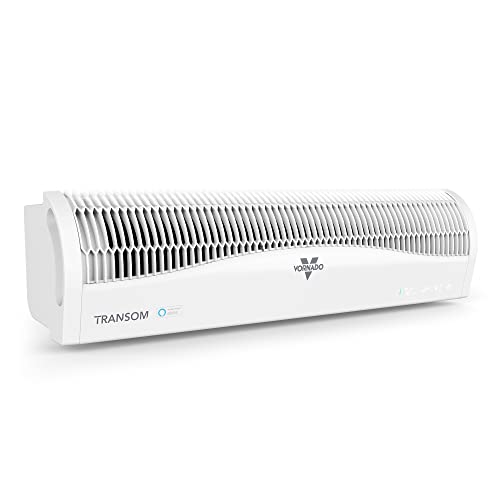
Vornado TRANSOM AE 4-Speed Reversible Window Fan

Vornado PORTAL 3-Speed Low-Profile Window Fan, White
A Closer Look At Each Pick
A garage that traps heat near a workbench needs ventilation that can move air outdoors without a long duct run. The Broan-NuTone 512M uses a 6-inch through-the-wall housing with a built-in exterior cap, making it a practical choice for spaces where drilling directly through an exterior wall is realistic.
Its 70 CFM airflow suits rooms up to 65 square feet, including a one-car garage, kitchen, laundry room, or rec room. The honest read is that this is utility ventilation rather than a bathroom comfort system, but it handles persistent heat, humidity, and unwanted odors in the spaces it suits.
Advantages To Know
- The integrated exterior wall cap removes the need for a separate duct connection.
- A twist-lock motor assembly simplifies installation inside the wall cavity.
- Galvanized steel housing provides protection from outdoor conditions.
- A built-in bird screen helps block small birds from entering the vent.
- Spot ventilation near a vehicle or work area targets persistent moisture and fumes.
Worth Noting
- You must cut a wall opening and connect the fan to a suitable switch.
- Its 6.0-sone rating is louder than the bathroom-focused choices in this lineup.
Key Specs
Who It Suits Best
This model fits homeowners with an exterior wall opening and a garage, laundry room, or other space needing dedicated spot ventilation.
Consider Something Else When
Choose the Vornado TRANSOM 4-Speed Remote Window Fan instead when you need a removable installation and adjustable airflow without cutting into a wall.
Morning showers leave many bathrooms needing three things at once: moisture removal, a useful light, and a little warmth. This Broan-NuTone combination handles all three in one ceiling unit, with the fan, heater, and light able to operate independently or together.
The 1.5-sone rating gives it a modest sound level, which may matter more than raw airflow in a compact room. Its dimmable LED offers three color temperatures, ranging from warm 2700K to daylight 5000K, so you can shift the atmosphere without changing fixtures.
Real-World Strengths
- The 80 CFM fan moves moisture and humidity out of a typical residential bathroom.
- A 1300-watt heater adds warmth when the room feels chilly after a shower.
- Independent controls let you use only the light or fan when heating is unnecessary.
- The modern white grille suits a wide range of bathroom finishes.
Trade Offs
- Confirm that the housing fits a 2 by 6-inch ceiling cavity before removing the old fixture.
Feature Snapshot
Made For
This combination fits compact bathrooms where one ceiling opening must support ventilation, lighting, and supplemental heat.
Skip It When
The Orsong 190 CFM 1800W Bathroom Fan, Light and Heater makes more sense for a larger bathroom that prioritizes higher airflow and integrated controls.
Larger bathrooms can make a modest ceiling fan feel like it is working against the room. The Orsong model pairs 190 CFM of airflow with a 1800-watt heater, LED lighting, and dehumidification functions for shoppers who want a more capable all-in-one arrangement.
Its listed 30 dB operation and wall controller distinguish it from the Broan-NuTone 80 CFM unit, which relies on 1.5-sone ceiling-fan performance. Depending on your ceiling cavity and existing wiring, the Orsong may offer a stronger feature set, though the installation still deserves careful checking.
A Strong Showing
- Four-in-one operation covers ventilation, lighting, heating, and dehumidification.
- The 190 CFM rating targets higher airflow demands than the 80 CFM Broan-NuTone model.
- A 30 dB operating level may be useful in bathrooms where background noise matters.
- The wall controller provides a central way to change operating modes.
Points To Note
- The higher electrical output calls for a careful check of circuit capacity and wiring.
- Ceiling cavity dimensions should be compared with the unit before installation.
- Its large feature set is unnecessary for a very small bathroom with simple ventilation needs.
Quick Facts
Best Suited To
This model serves homeowners renovating a larger bathroom who want ventilation, light, heat, and mode controls in one ceiling fixture.
Another Choice May Suit
The Broan-NuTone 80 CFM Bathroom Fan with Light and Heater is a more measured option for a compact bathroom with a 2 by 6-inch ceiling cavity.
A garage, workshop, or smoking room can need more airflow than a bathroom fan provides. This HG Power model moves up to 308 CFM through a 6-inch wall exhaust opening, giving you a practical option for moving heat, dust, and stale air outdoors.
The adjustable speed controller is the key ownership benefit. You can select gentler ventilation for lighter conditions or a stronger setting for more demanding spaces, something the fixed-speed bathroom ceiling units in this lineup do not offer.
What Makes Sense
- The 308 CFM airflow capacity suits utility and workshop ventilation.
- Adjustable speed control lets you match output to the task.
- A 6-inch format suits walls that can accommodate a standard compact exhaust opening.
Practical Considerations
- Confirm that a suitable exterior wall opening and electrical route are available.
- The installation is more involved than setting a removable fan in an open window.
Who Will Love This
This fan fits homeowners with a garage, attic, workshop, or other utility space that needs adjustable, exterior-directed airflow.
A Better Fit Elsewhere
The Broan-NuTone 512M Through-the-Wall Fan, 6-Inch is more approachable for a smaller room up to 65 square feet and includes a built-in exterior cap.
Window ventilation gets much easier when you can change the airflow without leaving the sofa. The Vornado TRANSOM provides four speed settings, a remote control, and a reversible mode that can draw air in or push it toward the exterior.
Its weather-resistant case and whole-room positioning make it a flexible option for apartments, rental homes, and rooms that need temporary ventilation. Unlike the Broan-NuTone 512M, this unit avoids permanent wall cutting, although it still depends on a suitable window opening.
Everyday Perks
- Remote operation makes speed changes convenient across the room.
- Four settings support both gentle air movement and stronger ventilation.
- Reversible mode offers intake and exhaust airflow.
- The weather-resistant case suits changing outdoor conditions.
Small Caveats
- Measure the window opening carefully before installation, and secure the unit according to its instructions.
Technical Highlights
Built With In Mind
This model fits renters and homeowners who want remote-controlled, adjustable ventilation without a permanent ceiling installation.
Reach For A Different Pick When
The Vornado PORTAL 3-Speed Low-Profile Window Fan, White is a better fit for a narrow window or a room where visible fan height needs to stay minimal.
The TRANSOM AE follows the familiar Vornado approach of moving air through a window while giving you four operating speeds. Reversible airflow lets you pull outdoor air into the room or direct indoor air outward, depending on the day and the layout of your space.
Its weather-resistant case supports placement in a window opening, and the white finish blends more quietly into a light interior than the black TRANSOM model. This is most useful for a bedroom, kitchen, or multipurpose room where you want reversible airflow with a more restrained appearance.
What Helps Most
- Four speed levels make airflow easier to tune through the day.
- Reversible operation serves both fresh-air intake and stale-air exhaust.
- The white finish suits light-colored rooms and trim.
Where It May Fall Short
- You need a compatible window opening and must follow the installation instructions carefully.
- Compared with the TRANSOM remote model, it offers less convenient hand-held speed adjustment.
The Right Fit
This model suits people who value reversible window airflow, four speed choices, and a white finish for a bedroom or shared living area.
Where A Sibling Pick Shines
The Vornado TRANSOM 4-Speed Remote Window Fan is the more convenient choice when changing settings from across the room matters most.
Some windows are wide enough for useful ventilation but too visually dominant for a fan that stands tall in the frame. The Vornado PORTAL uses a low-profile body that sits just over 6 inches high, giving you a less conspicuous option for a kitchen, bedroom, or living area.
Its modular installation fits windows from 24 to 38 inches wide, so measurement is the decisive first step. Three speed settings and reversible airflow keep the controls straightforward, making this a practical middle ground between a basic window fan and the larger TRANSOM models.
Reasons It Performs
- The low-profile housing preserves more visual space around the window.
- Three speeds provide a useful range of gentle and stronger airflow.
- Reversible mode supports both incoming and outgoing air.
- The weather-resistant case suits regular window placement.
Factors To Consider
- Your window must fall within the listed 24 to 38-inch width range.
- There are three speed settings rather than the four offered by the TRANSOM models.
- The white finish may show more visible dust than a darker housing.
Details At A Glance
Whose Shelf It Belongs On
This fan fits apartment residents and homeowners with a medium window who want reversible airflow without a tall, visually dominant housing.
Swap It Out When
The Vornado TRANSOM 4-Speed Remote Window Fan offers a stronger fit for a larger room or a setup where remote speed control is a priority.
Match The Ventilation Method To Your Space
Choose Between A Window Unit And A Permanent Fixture
A window fan gives you the least disruptive installation, but it takes up an operable window and depends on a secure fit. A through-the-wall or ceiling model takes more planning because you need an appropriate opening, electrical connection, and exterior discharge path. Your lease, wall construction, and available window size should guide the decision.
Match Airflow To The Room
CFM, or cubic feet per minute, measures how much air a fan moves each minute. A 70 CFM through-the-wall model is listed for rooms up to 65 square feet, while the 80 and 190 CFM bathroom combinations target more moisture removal. Larger garages and workshops may call for the 308 CFM HG Power option.
Decide Which Functions Add Value
Light, heat, and ventilation can share one housing, but each extra function adds installation and operating considerations. The Broan-NuTone 80 CFM model offers a restrained combination for compact bathrooms, while the Orsong adds higher airflow, a 1800-watt heater, and a wall controller. Choose only the functions your room genuinely needs.
Check The Opening Before The Features
Ceiling cavities, wall thickness, and window widths determine whether a unit can be installed at all. Measure the opening, confirm the housing dimensions, and check the electrical route before ordering. The fan may have the right airflow, but a poor fit makes those specifications irrelevant.
Common Mistakes And Better Decisions
Where Shoppers Go Wrong
The most common error is focusing on airflow while overlooking the installation. A large CFM figure cannot compensate for a window that is too narrow or a wall without a suitable opening. Another mistake is assuming a bathroom fan heats the room. Heated fan units add supplemental warmth, but they do not replace a properly sized heating system.
What The Upgrade Payoff Looks Like
Higher-tier bathroom units commonly add integrated lighting, heating, multiple controls, and stronger airflow. Those extras make sense when one ceiling fixture can replace several separate functions or a room needs more moisture removal. A basic reversible window fan remains the sensible choice for temporary airflow and simpler setup.
Frequently Asked Questions
What Is the Best Type of Bathroom Window Ventilation Fan?
A window fan works best for temporary ventilation in a compatible opening, while a ceiling or through-the-wall model suits permanent installation. Permanent models provide a cleaner setup but require electrical work and a suitable exterior opening.
Do I Need a Heater and Light in a Bathroom Ventilation Fan?
You need those functions only when the room lacks separate lighting or supplemental heat. The Broan-NuTone 80 CFM and Orsong 190 CFM models combine all three functions in one housing.
Is a Higher CFM Rating Always Better?
Higher CFM means greater airflow capacity, but room size and installation limits still matter. The 190 CFM Orsong offers more capacity than the 80 CFM Broan-NuTone model, while the 308 CFM HG Power fan is designed for larger utility and workshop spaces.
Can a Window Ventilation Fan Work in Reverse?
Reversible fans can draw outdoor air into a room or push indoor air outward. The Vornado TRANSOM, TRANSOM AE, and PORTAL models include reversible exhaust modes for that flexibility.
What Should I Measure Before Buying?
Measure the window width, available depth, and mounting area for a window fan. For ceiling or wall units, check the housing dimensions, cavity depth, exterior opening, and electrical route before making a purchase.
The Takeaway
The right ventilation choice comes down to the space and installation you have. Broan-NuTone covers permanent bathroom and wall ventilation, Orsong emphasizes an all-in-one bathroom package, HG Power targets higher-volume utility exhaust, and Vornado provides flexible window options for renters and removable setups. Measure first, match airflow to the room, then choose the extra functions that make everyday use easier.