
A steamy bathroom after a morning shower calls for reliable ventilation, but the right setup depends on your space and installation plans. Ceiling-mounted units handle moisture and odor on a permanent basis, while reversible window fans offer flexible airflow without major construction. These options cover everything from compact bathrooms and rental rooms to larger homes, crawlspaces, and multifamily spaces.
The Shortlist At A Glance

Homewerks 7117-01-BN Bathroom Exhaust Fan with Light, 80 CFM

Holdly V2262-50 7-Inch Bathroom Exhaust Fan, 50 CFM, 8-Inch Opening

Akicon 110 CFM Bathroom Exhaust Fan with Light and Nightlight
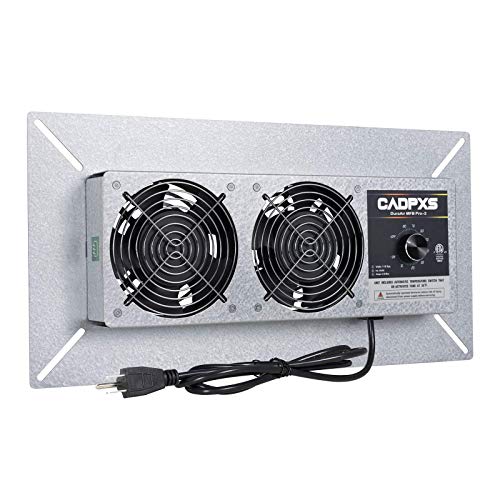
CADPXS Crawlspace Fan with Humidistat
Vornado TRANSOM Window Fan, 4 Speeds, Black
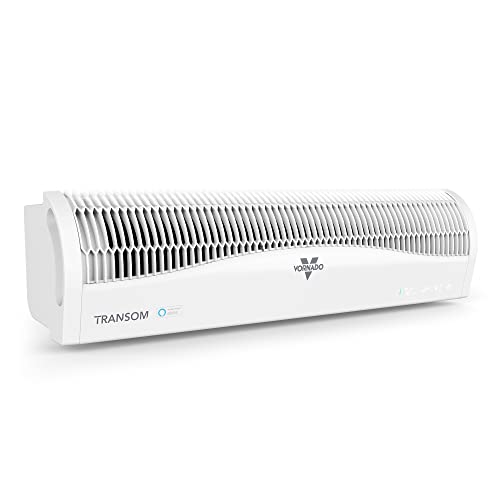
Vornado TRANSOM AE 4-Speed Reversible Window Fan, White

Vornado PORTAL Low-Profile Reversible Window Fan, 3 Speeds, White
The Details Behind The Selections
A permanent ceiling fan makes sense for a bathroom where window ventilation is inconvenient or unavailable. The Homewerks 7117-01-BN combines an 80 CFM exhaust rating with a 4000K cool-white LED, giving you a practical way to remove moisture and add light in one fixture.
Its brushed-nickel round grille suits a modern ceiling, while the galvanized-steel housing is designed to resist corrosion in damp rooms. For a standard residential renovation, this appears to be the most balanced option here, though the opening and duct measurements deserve careful attention.
What Makes Sense
- The 80 CFM airflow suits bathrooms up to roughly 80 square feet.
- The integrated LED removes the need for a separate ceiling light in some installations.
- Galvanized steel gives the housing a practical material advantage in humid spaces.
- The brushed-nickel finish and round grille blend neatly with many modern ceilings.
Practical Considerations
- Check the specified ceiling opening and 4-inch duct connector against your existing framing before ordering.
Feature Snapshot
Made For
This model suits homeowners renovating a typical bathroom who want combined lighting and permanent exhaust ventilation.
Where Another Pick Suits Better
Apartment residents wanting reversible airflow without ceiling work may prefer the Vornado TRANSOM Window Fan, 4 Speeds, Black.
Compared with the Homewerks fixture, the Holdly V2262-50 takes a simpler approach without a built-in light. Its 50 CFM airflow and 1.0-sone rating make it a sensible fit for a smaller bathroom, powder room, or laundry area where space comes first.
The 7-inch fan is designed for an 8-inch-diameter rough-in opening, which can simplify replacement work in homes with that standard layout. You may find the lower airflow less suitable for a large, steamy shower room, but it remains a focused choice for compact spaces.
What Works In Its Favor
- The 50 CFM rating serves smaller spaces without the footprint of a larger ceiling unit.
- A 1.0-sone rating supports relatively restrained operation compared with the 1.5-sone Akicon model.
Things To Weigh
- The lower 50 CFM rating may be modest for a large bathroom with an enclosed shower.
- You will need separate lighting because this model does not include a light.
- The rough-in opening must be measured before installation begins.
Quick Facts
Right Fit For
This fan fits small bathrooms and laundry rooms where an 8-inch rough-in opening and restrained noise level matter most.
Another Choice May Suit
Households needing stronger exhaust and integrated lighting may find the Homewerks 7117-01-BN more appropriate.
The Akicon model moves beyond the Homewerks fixture’s 80 CFM rating with 110 CFM of airflow. That higher capacity suits larger bathrooms, including rooms approaching 100 square feet, while the main light and separate nightlight add useful control for nighttime use.
Its brushed-nickel finish coordinates with the Homewerks option, but the operating sound is higher at 1.5 sones. The size and recommended use in homes with an attic or new construction make this more of a planned installation than a casual bathroom upgrade.
Key Advantages
- The 110 CFM airflow provides more capacity than either 50 CFM or 80 CFM options.
- Separate nightlight gives you a softer setting for late-night visits.
- The light-and-fan combination reduces fixture clutter on the ceiling.
Small Caveats
- The 1.5-sone rating is higher than the other ceiling-fan selections, which may matter in a quiet room.
- The larger housing calls for careful planning in new construction or above an attic.
Core Details
Built With In Mind
This model suits larger bathrooms, new homes, and attic installations where 110 CFM airflow and layered lighting justify the larger setup.
Look Elsewhere When
Quiet-focused households may prefer the lower 1.1-sone Homewerks 7117-01-BN instead.
The CADPXS unit shifts the focus from the bathroom to the crawlspace, where persistent moisture can affect the home’s lower levels. Its dual-fan design moves 220 CFM, while the built-in humidistat responds to relative humidity within a 20 to 80 percent range.
This is a specialized ventilation solution rather than a window-mounted bathroom fan. Property owners with a wet crawlspace may value the automatic humidity response, while apartment residents need one of the room-focused exhaust options instead.
Positive Takeaways
- The 220 CFM airflow supports substantial air exchange through a crawlspace vent.
- Two fans work together to move air across the opening.
- The humidistat allows the fan to respond to changing moisture conditions.
- The grounded 6.56-foot power cord supports flexible placement near an outlet.
Points To Note
- The 18 by 9 by 2-inch housing needs a suitable exterior or crawlspace vent opening.
- This model addresses a crawlspace rather than moisture directly above a bathroom.
Whose Shelf It Belongs On
This fan belongs with homeowners managing a damp crawlspace who need humidity-responsive ventilation below the living area.
Reach For A Different Pick When
You need direct room ventilation and should select the Homewerks 7117-01-BN instead.
Window placement makes the Vornado TRANSOM useful for renters, multipurpose rooms, and anyone without a suitable ceiling opening. Four speed settings let you balance intake and exhaust airflow, while the included remote keeps adjustments convenient from across the room.
Unlike the permanent ceiling fixtures, reversible exhaust mode can move stale indoor air outdoors rather than simply circulating it. The weather-resistant case adds useful protection, though the fan still needs a compatible window and a secure fit before you close the sash.
Useful Strengths
- Four speeds provide finer airflow control than the three-speed Vornado PORTAL.
- Remote control makes the fan easier to adjust from across the room.
- Reversible operation supports both outdoor-air intake and indoor-air exhaust.
Trade Offs
- Window installation requires a compatible opening and enough space around the unit.
- Unlike a ceiling fan, the TRANSOM cannot provide permanent exhaust after the window is closed.
- The black finish may stand out more than the white PORTAL model.
Feature Facts
Made For
This model suits renters and households wanting controllable window ventilation for a bathroom, bedroom, or kitchen.
Consider Something Else When
Low-profile design matters more than remote control for you, making the Vornado PORTAL a stronger fit.
The TRANSOM AE keeps the four-speed reversible format of the standard Vornado window fan while adding voice-assistant compatibility. That makes it useful in a connected home where you want to change airflow without walking to the unit or reaching for a separate controller.
Like the standard TRANSOM, it supports outdoor-air intake and indoor-air exhaust through a window installation. Its white finish may blend more readily with many interiors, although connected controls add little value in a bathroom without compatible smart-home equipment.
Notable Upsides
- Voice-control compatibility adds hands-free airflow adjustment.
- Four speeds and reversible operation provide flexible everyday ventilation.
Practical Considerations
- Connected features are most useful in a home already equipped for voice control.
- The window opening and sash clearance still need to accommodate the fan securely.
Who Will Love This
This model suits connected-home users who want reversible window airflow with hands-free speed adjustment.
A Better Fit Elsewhere
Shoppers wanting straightforward remote control without smart-home compatibility may prefer the Vornado TRANSOM Window Fan, 4 Speeds, Black.
The Vornado PORTAL trades one speed setting for a noticeably compact form. At just over 6 inches tall, it preserves more window space than a taller unit, making it a sensible option for modern homes, kitchens, bedrooms, and bathrooms where the sill area matters.
Its modular block system supports installation in windows from 24 to 38 inches wide. Reversible exhaust mode retains the flexible airflow approach of the TRANSOM models, although three speed settings provide less adjustment than the four-speed versions.
The Value In It
- The low-profile housing preserves more window and sill space.
- The three-speed setup offers useful airflow variation without remote controls.
- Reversible operation handles both outdoor-air intake and indoor-air exhaust.
Possible Compromises
- You receive three speeds rather than the four offered by both TRANSOM models.
- The supported window width range must be checked before installation.
At A Glance
The Right Fit
This fan fits small rooms and design-conscious spaces where a low profile matters more than a fourth speed setting.
Swap It Out When
You prefer finer remote-controlled adjustment and prefer the Vornado TRANSOM Window Fan, 4 Speeds, Black.
What Matters Before You Choose Your Ventilation
Airflow should match the room
CFM measures cubic feet of air moved per minute, while sones estimate sound output. Match the fan to the room rather than choosing by room label alone, and compare both airflow and noise ratings.
Permanent fans need compatible openings
A ceiling unit depends on the available cutout, housing depth, and duct connection. Measure framing and wiring before ordering, particularly in older homes or spaces built above an attic.
Window fans depend on fit and position
Reversible window fans can draw outdoor air into the room or exhaust indoor air. Confirm the supported window dimensions, required clearance, and how the sash closes around the unit.
Lighting adds convenience and complexity
An integrated light can simplify a renovation, while a separate model may match existing fixtures better. Nightlights are useful for nighttime navigation, while separate lighting gives you more fixture choices.
Common Mistakes Worth Avoiding
Mistaking CFM for room size
A stated room-size recommendation is only a useful starting point. A tight room with a glass shower can need more airflow than a larger room with a vented window, so use the bathroom’s dimensions and shower use to guide the decision.
Ignoring installation clearances
Measure the full opening, housing depth, duct connection, and nearby joists before selecting a ceiling fan. Window models need compatible width and sash clearance, so checking the frame prevents a frustrating return.
What The Higher Tier Buys
A higher airflow rating matters most in large bathrooms, enclosed showers, and spaces with limited window ventilation. Integrated lighting, nightlights, remote controls, or connected operation can also remove daily inconveniences, though those extras should match how you actually use the room.
Frequently Asked Questions
Can a window fan replace a bathroom ceiling fan?
A reversible window fan can provide temporary exhaust when the window remains properly configured. A dedicated ceiling fan suits permanent ventilation without relying on an open window.
What airflow rating does a small bathroom need?
A smaller bathroom may be comfortable with a fan around 50 CFM. Larger rooms, enclosed showers, and rooms with poor natural ventilation benefit from higher airflow.
Is a quieter exhaust fan always better?
Lower sound ratings can help in bedrooms and near living areas. Airflow, room size, duct configuration, and fan design still matter, so a higher rating may serve a larger bathroom more effectively.
Do window exhaust fans work in cold weather?
Their weather-resistant cases help protect the housing during seasonal use. You still need a secure fit and proper window installation, and you should follow local guidance for ventilation during heating months.
How do I measure for a ceiling exhaust fan?
Measure the existing opening in both width and length, then check housing depth and the required duct diameter. Compare those measurements with the installation specifications before cutting or removing anything.
Final Thoughts
The Homewerks 7117-01-BN offers the most balanced permanent setup for a typical bathroom, while the Akicon model leads in airflow and lighting for larger rooms. Compact spaces favor the Holdly unit, and the Vornado window fans serve renters or homes that benefit from reversible airflow without ceiling construction. Match the installation type, airflow, sound rating, and available opening before choosing.