
A cold bathroom can make the first few minutes of your morning harder than they need to be. The right wall heater can warm the room before a shower, dry towels between uses, or provide steady supplemental heat in a drafty space. Your best option depends mainly on electrical capacity, room size, installation style, and how much control you want.
The Leading Options At A Glance

Cadet Com-Pak CBC103TW Bath Wall Heater

ecoartheating 600W Heater Panel
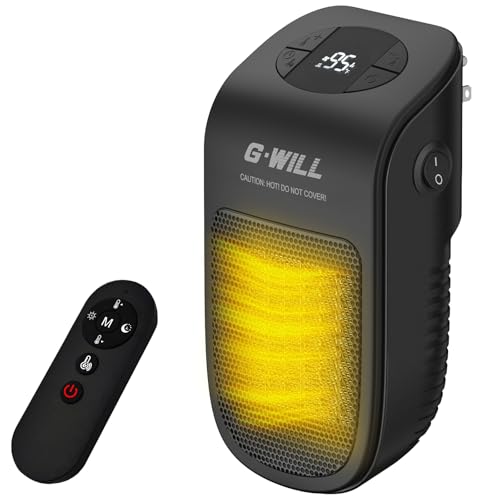
G-WILL 600W Plug-In Wall Heater

Onylraep CSC151TW Wall Heater

Onylraep 174 Wall Heater

Onylraep CSC202TW Wall Heater

Onylraep CSC152TW Wall Heater
The Cadet Com-Pak CBC103TW brings the familiar convenience of a bathroom-specific heater to a compact recessed installation. Its 1,000-watt rating and 3,415 BTU output suit a routine morning warm-up, while the built-in timer can run the heater on a schedule without requiring you to remember a switch.
Compared with the plug-in G-WILL model later in the list, this unit trades portability for a cleaner, permanent appearance. It suits homeowners with an available wall cavity who value thermostat and timer control over the freedom to move a heater from room to room.
Strong Points
- A dedicated timer lets you schedule warmth before getting ready rather than waiting for the room to cool again.
- The thermostat uses a simple rotary control that is easy to adjust in a humid bathroom.
- Its compact recessed format helps the white grille blend into the wall instead of occupying floor space.
- Automatic high-temperature shutoff adds a practical layer of protection around the heater’s operating range.
Points To Note
- This is a direct-wired, recessed unit rather than a plug-in appliance, so circuit compatibility and wall access need checking before installation.
- The 1,000-watt rating is more modest than the 1,500- and 2,000-watt models here, making room size an important consideration.
Key Specs
Right Fit For
This heater fits homeowners with a compatible wall cavity who want automatic morning warmth and a permanently installed bathroom appearance.
A Better Fit Elsewhere
People who need portable heat or a simple outlet connection will find the G-WILL 600W Plug-In Wall Heater easier to place.
A wall-mounted infrared panel creates a different heating experience from the fan-driven bathroom units in this roundup. The ecoartheating 600W Heater Panel uses radiant heat, which warms surrounding surfaces without circulating as much air, making it interesting for indoor yoga studios, exercise rooms, and compact living areas.
This panel is less specifically bathroom-focused than the Cadet Com-Pak model, but its slim format could make supplemental heating more discreet. For a larger bathroom, you may receive more practical coverage from a forced-air unit such as the Onylraep CSC202TW.
Advantages To Know
- Radiant heating provides a targeted alternative to blowing warm air continuously through the room.
- The flush panel profile preserves wall space and suits studios where floor area matters.
- Installation materials are included, and the wall can be mounted or placed on a suitable stand.
- An IP54 rating indicates dust protection and resistance to splashing water.
Worth Noting
- The stand feet are not included, so floor placement requires separate compatible supports.
- Its stated use case is an indoor yoga studio, so bathroom placement and wet-area requirements deserve a careful check.
- A 600-watt panel may provide less room-wide warmth than the higher-output recessed heaters in this list.
Built With In Mind
This panel best serves indoor studio owners or apartment residents seeking slim, radiant supplemental heat without a floor-consuming fan unit.
Another Choice May Suit
A bathroom requiring scheduled forced-air warmth will be better served by the Cadet Com-Pak CBC103TW Bath Wall Heater.
For a rental, guest room, or camper, moving a heater around matters more than building a permanent installation into the wall. The G-WILL 600W Plug-In Wall Heater answers that need with a compact 4.18-by-4.22-by-7.37-inch body, a thermostat, and controls that can be adjusted from the panel or included remote.
Unlike the recessed Cadet and Onylraep models, this unit can provide a preheating routine before you wake or arrive home. Its automatic mode adjusts output toward a chosen temperature, which makes the 600-watt setting more adaptable across different room conditions.
Well-Handled Touches
- Five operating modes range from a low-power setting to automatic adjustment and high output.
- The thermostat covers 60 to 95 degrees Fahrenheit, giving you a useful range for different times of day.
- A wake-up timer can preheat the room before your alarm rather than relying on all-night operation.
- Two temperature sensors help the automatic mode adjust output as the room changes.
- The stated 20-decibel operation is useful for bedrooms, offices, and other spaces where noise matters.
Small Caveats
- Because this is a plug-in fan heater, it needs an available outlet and should remain unobstructed for proper airflow.
Feature Snapshot
Who Will Love This
This heater fits renters, travelers, and home occupants who want adjustable warmth in a bedroom, office, garage, or camper without permanent wiring.
Where A Sibling Pick Shines
Owners with a suitable wall opening and permanent circuit will get more integrated heating from the Onylraep CSC151TW Wall Heater.
A standard-voltage electric heater can be a practical fit for laundry rooms, entryways, and smaller utility spaces where 240-volt wiring would add installation complexity. The Onylraep CSC151TW uses 1,500 watts at 120 volts and produces 5,120 BTU per hour, with a centrifugal fan moving air through the grille.
That fan-driven approach differs from the ecoartheating panel’s radiant heat, distributing warmed air into the occupied space. The built-in thermostat makes the CSC151TW a sensible fixed installation for anyone who wants temperature control without a smart display or handheld remote.
Positive Takeaways
- The 120-volt rating can simplify electrical planning compared with a 240-volt unit.
- A centrifugal fan supports air movement across the room rather than relying on radiant warmth alone.
Practical Considerations
- The 1,500-watt load still needs a suitable circuit, and a qualified electrician can confirm compatibility before installation.
- Its design is less bathroom-specific than the Cadet Com-Pak unit, so placement should follow the manual’s clearance and wet-area guidance.
Quick Facts
The Right Fit
This model suits homeowners with a 120-volt circuit who want thermostat-controlled fan heat in a laundry room, entryway, or compact living area.
Swap It Out When
Households needing a built-in wake-up timer will find that feature more useful in the Cadet Com-Pak CBC103TW Bath Wall Heater.
The Onylraep 174 is a broader room heater that can work in a bedroom, entryway, laundry room, or another space needing steady wall-mounted warmth. Its 750- or 1,500-watt configurations and 120- or 240-volt options give you more flexibility when matching a heater to an existing electrical setup.
Its white casing and steel grille are designed to blend into practical rooms, while downward-sloping louvers direct warm air toward the floor. That arrangement differs from the upward-looking bathroom heater, potentially making the 174 more suitable for occupied rooms where floor-level heat distribution is useful.
The Value In It
- Multiple wattage and voltage choices support different room and circuit requirements.
- Downward-facing louvers direct heated air toward the floor for even room distribution.
- A white steel grille gives the heater a neutral appearance in bedrooms, entryways, and laundry rooms.
Areas To Watch
- You must match the heater’s voltage and wattage configuration to the available wiring.
- This is a general room heater rather than a bathroom-specific model, so wet-area placement requires careful review.
- The recessed format means you cannot move it around as easily as the G-WILL plug-in heater.
Made For
This heater suits people with a suitable wall opening who need flexible electrical options in a bedroom, entryway, or laundry room.
Consider Something Else When
Travelers and renters will gain more flexibility from the G-WILL 600W Plug-In Wall Heater.
The Onylraep CSC202TW offers the highest rated power in this group, which makes it the more substantial option for a bathroom or utility room that needs strong supplemental heat. Its 2,000-watt rating operates at 240 volts, and the stated coverage extends to spaces of up to 200 square feet.
Compared with the 1,500-watt Onylraep models, this heater gives you more electrical capacity and broader stated room coverage. That extra power comes with a more involved installation, so matching the circuit and wall opening matters before you commit.
Where It Excels
- The 2,000-watt rating supports stronger heating output than the lower-wattage options in the roundup.
- Coverage of up to 200 square feet makes the model relevant to larger bathrooms and utility spaces.
- A built-in thermostat provides a straightforward way to regulate the room temperature.
- Its 240-volt configuration suits homes with suitable higher-capacity electrical service.
Trade Offs
- At 2,000 watts and 240 volts, installation requires a qualified electrician to confirm circuit capacity and proper wiring.
Core Details
Best Suited To
This heater fits households with suitable 240-volt service that want strong wall-mounted heat for a larger bathroom or utility space.
Reach For A Different Pick When
Simpler electrical planning favors the Onylraep CSC151TW Wall Heater, which uses 120 volts at 1,500 watts.
The Onylraep CSC152TW lands between the standard-voltage CSC151TW and the higher-output CSC202TW. It uses 1,500 watts at 240 volts to produce 5,120 BTU per hour, giving you the same stated heat output as the CSC151TW while using a different electrical arrangement.
A centrifugal fan circulates air through the grille, so this model works more like a compact forced-air heater than a radiant panel. It may suit a smaller bathroom or entryway where quiet fan operation and thermostat control are the main priorities.
A Strong Showing
- Its 5,120 BTU per hour output provides a clear capacity for moderate room heating.
- Fan-driven airflow spreads heat through the occupied space rather than concentrating it at the panel.
- The built-in thermostat keeps temperature adjustment straightforward.
Less Ideal Details
- The 240-volt rating calls for circuit planning, unlike the 120-volt CSC151TW model.
- Its output is better matched to compact rooms than expansive open areas.
Technical Reference
Whose Shelf It Belongs On
This heater suits owners with 240-volt service who want compact, fan-driven warmth and thermostat control in a smaller room.
Skip It When
Portable users will find the G-WILL 600W Plug-In Wall Heater easier to position wherever heat is needed.
What Matters Before You Install A Wall Heater
Match The Electrical System First
Voltage is the first practical filter. The 120-volt Onylraep CSC151TW can be easier to connect than the 240-volt Cadet, CSC202TW, and CSC152TW models, but your existing circuit still needs to support the heater’s full wattage. A qualified electrician can confirm capacity, grounding, and the correct breaker.
Compare Heat Output With Room Size
BTU measures thermal output per hour, giving you a useful comparison between heaters. The 3,415-BTU Cadet focuses on bathroom-sized spaces, while the 5,120-BTU Onylraep units offer greater capacity. The CSC202TW goes further with 2,000 watts and stated coverage up to 200 square feet. Large rooms need more than a panel rated at 600 watts.
Choose Radiant Or Fan-Driven Heat
Infrared panels warm nearby surfaces with radiant energy and avoid the continuous airflow associated with fan heaters. Fan-driven models move air into the room, which can feel useful in a drafty bathroom or occupied utility space. Portable units add scheduling and temperature controls but occupy an outlet instead of a wall cavity.
Account For Installation And Controls
Recessed heaters need a suitable opening, secure mounting, and appropriate electrical wiring. Plug-in models offer more freedom but require an outlet and clear airflow around the unit. Built-in timers suit predictable morning routines, while remotes, displays, and automatic modes make portable heaters more adaptable for changing schedules.
Two Practical Checks Before You Choose
Common Shopping Slip Ups
Do not select by wattage alone, since room size, insulation, airflow, and electrical limits affect the result. Also avoid assuming every wall heater is suitable inside a shower or other wet location; follow the manufacturer’s placement and clearance instructions for the exact model.
What The Higher Tier Buys
Higher-output models generally provide more heating capacity and may suit larger rooms. Added timers, automatic controls, or fan-assisted airflow can improve daily convenience. The extra benefit is worthwhile only when your electrical system, room dimensions, and installation plan support it.
Frequently Asked Questions
Are Recessed Bathroom Wall Heaters Better Than Plug-In Models?
A recessed heater can look cleaner and provide permanent temperature control, while a plug-in model is easier to move. Your choice depends on electrical access, available wall space, and how often you want to relocate the heater.
Can A 600-Watt Heater Warm A Large Bathroom?
A 600-watt panel may work well for supplemental heat in a compact area, but a larger bathroom generally calls for a higher-output unit. Compare the heater’s stated room coverage and the building’s insulation before deciding.
Can A Wall Heater Be Installed Inside A Shower?
Do not assume wall placement in a shower is suitable. Review the manual, required clearances, and electrical instructions for that specific location before installation.
Do Recessed Wall Heaters Require A Dedicated Circuit?
Electrical requirements depend on the heater’s voltage, wattage, and local building rules. A qualified electrician should verify the circuit, grounding, and breaker before any hardwired model is installed.
Is Infrared Heating Different From Forced-Air Heating?
Infrared heating transfers energy to nearby surfaces, while a fan heater moves warmed air into the room. The former can suit quiet, stationary spaces, while the latter provides broader air distribution for occupied rooms.
Final Verdict
The Cadet Com-Pak CBC103TW Bath Wall Heater is the most bathroom-focused option here, with a thermostat and timer for predictable routines. The Onylraep models cover broader power and room-size needs, while the G-WILL and ecoartheating options prioritize portability and slim infrared heating. Match the heater to your room, electrical system, and installation style before you buy.