
A stuffy bathroom after a hot shower calls for more than a cracked door and a fan that merely circulates the same warm air. These options give you several practical ways to move it outside, from sliding-window inserts and reversible transom fans to ducted inline units and smart wall-mounted exhaust systems.
How The Shortlist Stacks Up

Kiroto 16-inch Louvered Wall-Mount Exhaust Fan, 1600 CFM, Smart APP Remote Control

GODNOEI 31.5-33.5 Inch Sliding Window Exhaust Fan
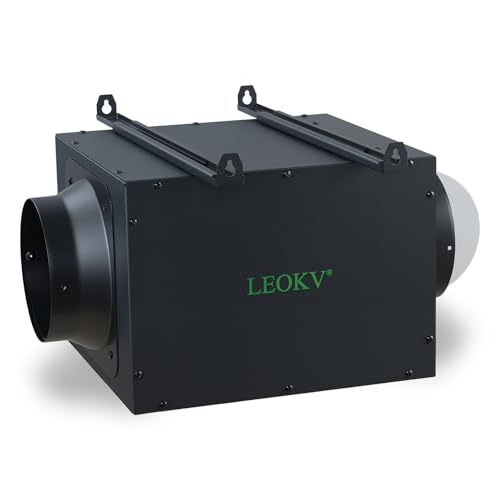
LEOKV 330CFM 6-Inch Two-Speed Inline Bathroom Exhaust Fan, Quiet Galvanized Steel
LEOKV 200CFM 4-Inch Two-Speed Inline Bathroom Exhaust Fan, Quiet Black
Vornado TRANSOM Window Fan with 4 Speeds, Remote Control
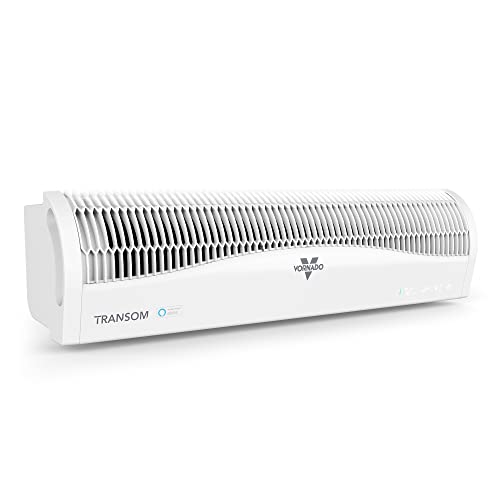
Vornado TRANSOM AE 4-Speed Reversible Exhaust Window Fan

Vornado PORTAL Low-Profile Window Fan, 3 Speeds, Reversible Exhaust
The Picks, Examined More Closely
The Kiroto 16-inch Louvered Wall-Mount Exhaust Fan handles spaces where fixed window access is inconvenient. Its wall-mounted format, louvered housing, and app-based controls suit workshops, garages, sheds, and other areas needing scheduled ventilation.
Unlike the compact window inserts, this model offers 1,600 CFM of airflow. CFM means cubic feet per minute, a measure of how much air moves each minute, so this option carries considerably more ventilation capacity than a bathroom insert.
The Upside
- Wi-Fi app control supports remote starts, timers, alerts, and daily schedules.
- Up to 1,600 CFM suits workshops, garages, attics, and other expansive areas.
- Thermostat and timer settings let ventilation follow a repeatable routine.
- A 63-watt motor combines high airflow with an energy-saving mode.
- Powder-coated steel and aluminum construction suit exposed utility areas.
Trade Offs
- This is a wall-mounted exhaust unit, not a sliding-window insert.
- The 9.85-foot power lead and 11.8-foot sensor lead affect placement.
Feature Snapshot
Who It Suits Best
You benefit most from this model when ventilating a garage, workshop, attic, or another large space that needs scheduled airflow.
Where Another Pick Suits Better
The GODNOEI 31.5-33.5 Inch Sliding Window Exhaust Fan suits homes needing removable window ventilation without a wall installation.
The GODNOEI 31.5-33.5 Inch Sliding Window Exhaust Fan turns a compatible vertical slider into an adjustable air inlet or exhaust. That makes it useful in apartments, bathrooms, pet areas, and rooms where drilling a new wall opening is inconvenient.
Compared with the Kiroto wall-mounted unit, this fan offers a much smaller installation footprint. You also gain stepless speed control instead of fixed settings, which is useful when a strong draft feels too aggressive during mild weather.
Real-World Strengths
- A spring-loaded aluminum frame holds firmly in the window.
- The 1.97-inch extension accommodates the specified frame range.
- Continuous speed adjustment moves from a light breeze to stronger airflow.
- Five fan units sit behind stainless steel mesh for added protection.
- The removable design avoids permanent window modifications.
Things To Consider
- Measure the inner vertical frame, not the glass height.
- The sliding-frame design will not suit casement or sash windows.
Quick Facts
Made For
This model suits you best when your home has a vertical sliding window with a matching inner frame measurement.
Another Choice May Suit
The Vornado PORTAL Low-Profile Window Fan suits you better when a standard horizontal window and a lower-profile appearance matter more.
The LEOKV 330CFM 6-Inch Two-Speed Inline Bathroom Exhaust Fan fits into a conventional ventilation duct rather than a window opening. It serves you well when a bathroom already has a routed exhaust path or an attic and exterior wall area suitable for duct installation.
Its 330 CFM high setting gives you more capacity than the smaller LEOKV model. Two speeds also let you tune airflow and sound for different times of day rather than running the fan continuously at maximum output.
What Makes Sense
- High speed moves 330 CFM for larger bathroom volumes.
- Low speed reduces airflow to 240 CFM and sound output.
- A bottom-mounted switch keeps speed selection straightforward.
- Galvanized steel and an all-copper wire motor suit damp utility spaces.
Practical Considerations
- You need a compatible 6-inch duct route and exterior termination.
- Its 1.7-sone high setting prioritizes airflow over near silence.
The Numbers That Matter
The Right Fit
You get the best fit when renovating a bathroom with six-inch ductwork and a need for more airflow than a compact inline unit provides.
Look Elsewhere When
The LEOKV 200CFM 4-Inch Two-Speed Inline Bathroom Exhaust Fan fits you better when four-inch ductwork and a smaller installation are the deciding factors.
The LEOKV 200CFM 4-Inch Two-Speed Inline Bathroom Exhaust Fan makes sense where duct space is limited. Its four-inch format fits compact bathroom runs, while the black finish blends more discreetly into darker utility areas.
Compared with the six-inch LEOKV fan, this model moves less air at each setting. That is a reasonable trade for a smaller bathroom or a replacement project built around four-inch ductwork, but it is not the stronger choice for a larger room needing more exchange.
Good Reasons To Consider
- Four-inch sizing supports more compact duct installations.
- The high setting delivers 200 CFM for everyday bathroom use.
- Low speed reduces output to 130 CFM and sound level.
- Galvanized steel and an all-copper wire motor support practical durability.
Points To Note
- Its 200 CFM maximum is below the six-inch LEOKV model.
- You need compatible four-inch ductwork and an exterior vent.
- The high setting reaches 1.5 sones, so it is not silent.
Who Should Grab It
This fan suits you best when your bathroom has four-inch ductwork and needs a straightforward two-speed exhaust unit.
Reach For A Different Pick When
The LEOKV 330CFM 6-Inch Two-Speed Inline Bathroom Exhaust Fan suits you better when airflow capacity matters more than duct diameter.
The Vornado TRANSOM Window Fan with 4 Speeds, Remote Control fits a transom opening where reaching the controls would be inconvenient. You can pull outdoor air in or reverse the fan to push stale indoor air outside, which gives you useful seasonal flexibility.
The remote control is the practical distinction from the Vornado TRANSOM AE. Four speed settings offer finer adjustment than the three-speed Vornado PORTAL, while the weather-resistant case suits a window position exposed to changing outdoor conditions.
Why It Works Well
- Remote operation keeps speed and direction changes within reach.
- Four speeds cover gentle intake through stronger circulation.
- Reversible mode supports both fresh-air intake and exhaust.
- The weather-resistant case suits exposed transom placement.
Where It May Fall Short
- Confirm that your transom opening accommodates the fan.
- Weather resistance does not mean the fan can ignore severe weather.
Technical Highlights
Built With In Mind
You benefit most from this model when a transom window is available and you want remote control without running a duct line.
Swap It Out When
The Vornado PORTAL Low-Profile Window Fan suits you better when a standard horizontal window and minimal height are more important than remote operation.
The Vornado TRANSOM AE 4-Speed Reversible Exhaust Window Fan brings directional airflow to a transom opening. You can bring outdoor air into the room during mild conditions or reverse direction to move warm, stale air back outside.
Its white finish suits a bright bathroom or light-colored transom area, while the four speeds provide more adjustment than the three-speed Vornado PORTAL. The black Vornado TRANSOM adds remote control, so choose that model when operating an elevated fan from across the room matters most.
What Helps Most
- Reversible airflow supports intake and exhaust operation.
- Four speeds offer useful control across changing temperatures.
- The weather-resistant case suits an exterior window position.
- The white finish blends into light-colored rooms.
Small Caveats
- Check the transom dimensions and surrounding clearance before ordering.
- Its four-speed format does not provide the remote convenience of the black Vornado TRANSOM.
Best Suited To
This model suits you best when you want a white transom fan with four speeds and reversible intake or exhaust operation.
A Better Fit Elsewhere
The Vornado TRANSOM Window Fan with 4 Speeds, Remote Control suits you better when operating the transom fan from a distance is important.
The Vornado PORTAL Low-Profile Window Fan, 3 Speeds, Reversible Exhaust keeps the installation visually restrained. At just over six inches tall, it offers a lower-profile option for kitchens, bedrooms, and bathrooms where window proportions matter.
Unlike the transom models, the PORTAL uses a modular block system to fit windows from 24 to 38 inches wide. You can also reverse its airflow, while three speeds provide a straightforward range for pulling in fresh air or exhausting stale air.
Everyday Perks
- The low profile preserves more visual space around the window.
- Reversible operation serves both intake and exhaust needs.
- The modular system adapts to a wide range of window widths.
- The weather-resistant case suits normal window exposure.
Details To Watch
- Measure the window width and confirm the 24-to-38-inch range.
- Three speeds are fewer than the four offered by both Vornado transom models.
Key Product Details
Whose Shelf It Belongs On
This fan suits you best when a clean, low-profile appearance and broad window-width compatibility drive your choice.
Where A Sibling Pick Shines
The Vornado TRANSOM Window Fan with 4 Speeds, Remote Control suits you better when four speeds and remote operation take priority over low-profile styling.
What Matters Before You Choose a Ventilation Fan
Start With The Air Path
Window fans move air through an opening, while inline fans move it through a duct system. A transom model works above a doorway, and the LEOKV options require compatible ducting and an exterior vent, so your available installation path should come first.
Match Airflow to the Room
CFM measures the volume of air moved each minute. A compact bathroom may work with a 200 CFM unit, while the 330 CFM model offers more capacity for a larger space. The 1,600 CFM Kiroto is intended for much broader areas such as garages and workshops.
Check Installation Before Features
Measure the window frame, transom, or duct diameter before selecting a model. Pay attention to clearance, outlet reach, and where the fan must discharge. App controls and multiple speeds cannot compensate for a unit that does not fit the available opening.
Common Mistakes to Avoid
Mistakes Worth Dodging
Do not measure the glass rather than the window frame, because the frame determines compatibility. Also compare sound levels and airflow together: a quieter setting may move less air, while a high-output setting may produce more noticeable sound.
The Upgrade Payoff
A higher-tier model may add scheduling, remote operation, reversible airflow, or greater capacity. Those features matter when a basic insert cannot reach the room, operate conveniently, or move enough air.
Frequently Asked Questions
Can a window fan ventilate a bathroom?
A properly sized window fan can move air through a suitable window opening. Bathroom use also depends on privacy, noise, weather exposure, and local installation requirements.
Is an inline fan better than a window fan?
An inline fan suits a bathroom with a planned duct route and exterior vent. A window fan is often simpler when you already have a compatible opening and want a removable installation.
What does CFM mean in ventilation?
CFM is cubic feet per minute, indicating how much air the fan moves each minute. A higher figure supports greater air exchange, but room size and duct design also affect the result.
What is the difference between intake and exhaust modes?
Intake mode brings outdoor air into the room, while exhaust mode pushes indoor air outside. Reversible fans let you choose the direction according to temperature, weather, and airflow needs.
How should I measure a window fan opening?
Measure the usable inner frame width and height, then compare those dimensions with the listed range. For sliding-window models, the vertical frame space matters more than the glass measurement.
Final Verdict
Your best choice depends on the space and installation rather than one universal fan. A sliding-window home may favor the GODNOEI, a ducted bathroom favors the LEOKV models, and a transom or standard window opens the Vornado options. Measure first, then match airflow, controls, and placement to the room.