
A basement sump that backs up after a storm can turn a drainage problem into a household emergency. The right pump depends on the water you need to move, the debris it may encounter, your electrical supply, and the depth of the basin. These eight options cover everything from narrow residential pits to high-capacity sewage systems, so you can narrow the field before installation day arrives.
The Essentials At A Glance

AgiiMan 5000GPH Pool Pump
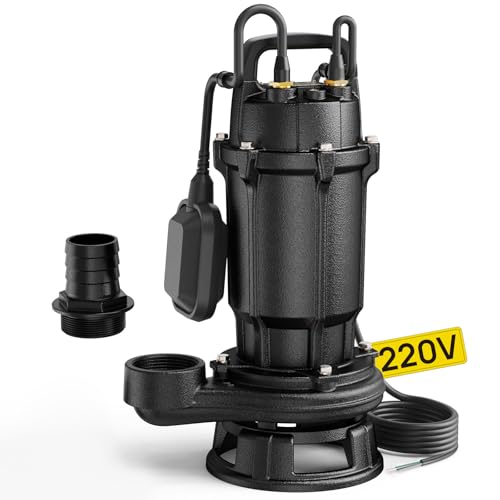
Aquastrong 220V Grinder Pump

Aquastrong 115V Grinder Pump
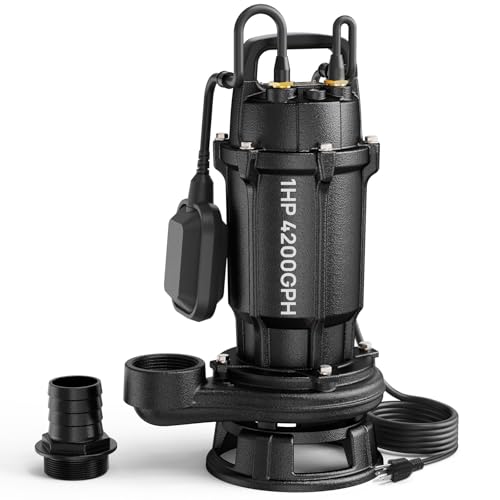
Aquastrong 1HP 115V Grinder

Red Lion RL-SC33V Sump Pump

Red Lion RL-SC50T Sump Pump
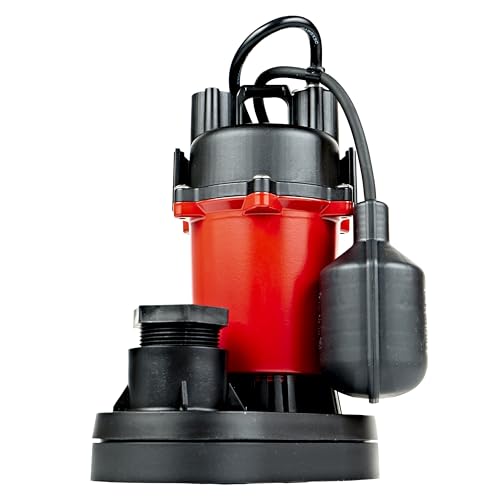
Red Lion RL-SP50T Sump Pump

Dewinston 2HP Sewage Pump
The Strengths Of Each Pick
The AgiiMan 5000GPH Pool Pump is built for moving relatively clear water rather than grinding sewage solids. Its ABS housing and four mesh-covered sides suit pool-cover drainage, bathtub emptying, and temporary floodwater removal around a home. That makes it a useful emergency tool, but not a substitute for a dedicated sewage ejector pump.
Unlike the grinder models later in this list, the AgiiMan relies on a temperature-control core to reduce the risk of dry running. A 16-foot anti-twist hose reaches from a pool at different depths, while the 25-foot power cord adds distance from the water source. For most pools and light floodwater jobs, that separation is the main advantage.
Useful Highlights
- Four mesh sides admit water across a broad surface for faster pool and floodwater intake.
- The 16-foot hose reaches deeper pool sections and includes compatible fitting options.
- Dry-run protection adds a useful safeguard during intermittent drainage.
- A 25-foot cord increases separation between the outlet and electrical connection.
Things To Consider
- This is not a grinder pump, so solid sewage debris can obstruct the intake.
- The 110V specification requires a compatible household-style electrical supply.
Quick Facts
Made For
You need a portable pump for pool covers, bathtub water, or light floodwater with few solids.
Look Elsewhere When
The Red Lion RL-SP50T Sump Pump better suits a permanent household sump pit with automatic float control.
A basement sewage ejector pump must handle more than clear stormwater, and the Aquastrong 220V Grinder Pump adds a stainless steel cutting system for soft and semi-rigid debris. It suits homes with a 220V supply and a properly sized discharge line, particularly where wipes, twigs, or small household objects may enter the basin.
Compared with the pool-focused AgiiMan, this model is built around sewage pumping rather than broad surface-water intake. Its 4,200 GPH maximum flow, 40-foot lift, and 2-inch discharge give it more capacity for a dedicated ejector installation. The trade-off is a specialized electrical requirement that many standard household outlets cannot satisfy.
Strengths Worth Knowing
- Stainless blades reduce common soft debris before it can settle into a blockage.
- The 4,200 GPH rating supports substantial pumping demand in a suitable basin.
- A 40-foot maximum lift provides useful vertical reach for deep pits.
- Manual or automatic float operation gives you control during setup and routine drainage.
- The 2-inch discharge can move solids listed as large as 2 inches.
Trade Offs
- Its 220V single-phase supply needs a properly configured dedicated circuit.
- Rubber products and thick towels should not enter the grinder chamber.
Who It Suits Best
You operate a 220V residential or light-commercial ejector system that needs routine debris reduction.
Another Choice May Suit
The Aquastrong 115V Grinder Pump offers a more familiar voltage for installations without 220V service.
The Aquastrong 115V Grinder Pump combines a one-horsepower motor with a 46-foot maximum lift, making it a serious option for deep residential basins. A stainless steel cutting blade handles clothing, hair, wipes, and other ordinary wastewater debris, while the cast iron base and stainless housing suit corrosive sump conditions.
This model offers more vertical reach than the 220V Aquastrong, though its 3,962 GPH maximum flow is slightly lower. An adjustable tethered float handles automatic cycling, while thermal overload protection guards the motor during dry operation. You still need to size the discharge and confirm the basin arrangement carefully.
Positive Points
- The 46-foot lift rating supports deep pit installations where vertical head matters.
- Stainless construction resists corrosion and abrasion in wet sump environments.
- An exhaust valve helps reduce trapped air that can interrupt flow.
- The 2-inch NPT discharge and included adapter simplify pipe matching.
Practical Considerations
- The 19-foot power cord may still require a properly rated extension in a distant basin.
- Shorten the float tether in freezing conditions to prevent the switch from freezing.
Key Product Details
The Right Fit
You need a 115V grinder pump with strong lift for a deep basement or commercial-style sump basin.
Consider Something Else When
The Dewinston 2HP Sewage Pump better serves a 220V installation needing greater flow and lift.
The Aquastrong 1HP 115V Grinder fills a useful middle ground between light-duty sump pumps and higher-voltage sewage systems. Its grinder mechanism reduces common soft and semi-rigid debris, while the listed 4,200 GPH flow gives it enough capacity for substantial residential wastewater handling.
Compared with the Aquastrong 115V Grinder Pump, this model offers slightly greater stated flow but 40 feet of lift rather than 46 feet. The lower voltage makes installation planning easier for many homes, although you should still confirm that the electrical service and discharge pipe can support the pump.
Advantages To Know
- One-horsepower output supports demanding residential sewage pumping.
- The 4,200 GPH rating handles a higher peak flow than lighter sump models.
- A 115V supply simplifies compatibility with standard residential circuits.
Small Caveats
- Its 40-foot maximum lift is lower than the 46-foot figure listed for the other 115V Aquastrong.
- Rubber items and thick towels can cause problems for a grinder mechanism.
Built With In Mind
You want grinder-based wastewater handling while keeping the pump on a standard 115V supply.
Reach For A Different Pick When
The Aquastrong 115V Grinder Pump is the closer fit when vertical lift matters more than peak flow.
A narrow sump pit leaves little room for a large pump or tall float assembly. The Red Lion RL-SC33V Sump Pump uses a one-third-horsepower motor and a piggyback vertical float switch, making it a sensible fit for compact residential basins where wastewater contains only light solids.
Unlike the Aquastrong grinder pumps, this Red Lion does not cut debris apart, so its clog-resistant impeller is designed around solids up to 3/8 inch. The float turns the pump on at a 7.25-inch water level and off at 2.75 inches, giving you predictable operation without a separate float controller.
A Few Highlights
- The compact one-third-horsepower motor suits restricted sump-pit dimensions.
- Automatic float control reduces the need for manual starting during ordinary drainage.
- Cast iron housing provides a durable-looking foundation for wet sump use.
Where It May Fall Short
- The 3/8-inch semi-solid limit is modest compared with a grinder pump.
- The switch-off level leaves some water in the basin after each cycle.
At A Glance
Who Will Love This
You have a narrow residential sump pit with mostly clear water and light semi-solids.
Where A Sibling Pick Shines
The Red Lion RL-SP50T Sump Pump suits a larger pit needing more output and a deeper activation cycle.
The Red Lion RL-SC50T Sump Pump steps up from the RL-SC33V with a half-horsepower motor while retaining the familiar Red Lion cast iron construction. Its tethered piggyback float starts the pump at 13 inches and stops it at 5 inches, making it appropriate for a sump pit deep enough to accommodate that operating range.
You still get a clog-resistant impeller designed for semi-solids up to 3/8 inch rather than a grinding cutter. That makes the RL-SC50T a practical light-effluent choice for a standard home sump, but not the right tool for wipes, thick towels, or other material that needs to be reduced.
Points In Its Favor
- The half-horsepower motor provides more pumping power than the compact RL-SC33V.
- Cast iron housing and volute suit a permanently wet sump environment.
- The tethered float provides automatic operation without a separate switch.
Less-Strong Areas
- The 13-inch activation level requires a pit with adequate vertical depth.
- Its semi-solid capacity is limited to 3/8 inch.
Feature Snapshot
Made For
You have a medium-depth residential sump that handles water with only light solids.
A Better Fit Elsewhere
The Aquastrong 1HP 115V Grinder better handles wastewater that includes larger or tougher debris.
The Red Lion RL-SP50T Sump Pump is a straightforward choice for a deeper household sump where clear water and light sediment dominate. Its half-horsepower motor delivers up to 3,600 GPH with a listed 28-foot shutoff height, while the tethered float turns the unit on at 14.5 inches and off at 5.5 inches.
Compared with the Red Lion RL-SC50T, this model uses an epoxy-coated aluminum housing and a thermoplastic volute, base, and motor cover. Its 1.5-inch discharge includes a 1.25-inch adapter, giving you some flexibility when matching pipe, though the basin depth and outlet height still need to align with the pump.
Everyday Advantages
- The 3,600 GPH rating provides ample capacity for typical residential sump water.
- Automatic float operation keeps drainage hands-off during ordinary use.
- Corrosion-resistant housing suits continued exposure to damp sump conditions.
- The included adapter simplifies connection to a 1.25-inch discharge.
Details To Watch
- The 14.5-inch activation point requires a fairly deep pit.
- The 8-foot power cord may sit close to the basin edge in some installations.
Best Suited To
You need dependable automatic drainage in a deeper residential sump with light solids.
Swap It Out When
The Aquastrong 220V Grinder Pump is the better choice for a sewage system that must shred tougher debris.
The Dewinston 2HP Sewage Pump is built for demanding ejector applications with a 220V supply. Its 6,498 GPH maximum flow and 49.2-foot lift lead this group on paper, making it worth considering for a deep basin, heavy wastewater flow, or a discharge line that rises well above the pump.
Stainless steel blades reduce soft and semi-rigid material such as wipes, twigs, and zip ties before it reaches the discharge path. Compared with the Aquastrong 220V Grinder Pump, the Dewinston offers more stated power, flow, and lift, but that capacity is useful only with a properly sized basin, discharge pipe, and electrical service.
Useful Touches
- The 6,498 GPH rating handles a high peak volume of wastewater.
- A 49.2-foot maximum lift supports deep pits and elevated discharge routes.
- Stainless blades reduce common household debris before discharge.
- The 2-inch pipe connection suits a properly sized sewage outlet.
Potential Compromises
- Its 220V supply requires an appropriate high-voltage circuit and outlet.
- Rubber items and thick towels should be kept out of the grinder chamber.
Technical Highlights
Built With In Mind
You operate a larger 220V sewage system needing high flow, strong lift, and routine debris reduction.
Skip It When
The Red Lion RL-SC33V Sump Pump is more practical for a narrow pit with clear water and light solids.
What Matters Before You Choose Your Pump
Separate a sump pump from a sewage ejector pump
A sump pump generally handles clear water and light sediment from a basement pit. A sewage ejector pump sits in a sealed basin and moves wastewater containing human waste, which means it needs an appropriate grinder or solids-handling design. Starting with this distinction prevents you from buying a pool pump or light-effluent model for a true sewage system.
Match the pump to the debris
A grinder pump reduces material before pumping, making it useful for wipes, hair, clothing fibers, and similar debris. Light-effluent pumps can handle small semi-solids but not every object that enters a household drain. Match the pump to the material likely to reach the basin, and avoid sending rubber products or thick towels into any grinder chamber.
Check voltage, discharge, and basin depth together
Voltage is not a minor accessory detail because 115V and 220V pumps require different electrical arrangements. Discharge diameter must match the plumbing, while float-switch activation and shutoff levels must fit the available pit depth. For a true ejector system, confirm the basin, discharge route, and local plumbing requirements with a qualified installer.
Common Mistakes Worth Avoiding
Mistaking a sump pump for a sewage pump
A light-effluent sump pump can handle ordinary drainage but may lack the cutting capacity required by a sewer-connected ejector basin. Identify the waste source before choosing the motor and impeller design.
Ignoring the float-switch range
A pump that activates too late may miss a rising water level, while one that shuts off too soon can leave the basin partly full. Measure the actual pit depth and account for the float switch before installation.
What The Higher Tier Buys
More power for tougher conditions
Higher-output models provide greater flow and lift, which can matter in a deep basin or a long discharge route. That capacity helps when the installation demands more than a small residential sump pump can deliver.
Grinder systems for debris reduction
A dedicated grinder adds cutting hardware for wastewater containing fibrous or semi-rigid material. The extra complexity is worthwhile when blockages are a recurring concern, rather than merely a possible inconvenience.
Frequently Asked Questions
Can a basement sewage ejector pump handle ordinary household wastewater?
Yes, a properly sized sewage ejector pump is designed to move wastewater containing human waste and associated debris. You still need to confirm that its grinder capacity, discharge size, voltage, and lift match your installation.
What is the difference between a 115V and 220V sewage pump?
The main difference is the electrical supply required to run the motor. A 115V model suits many residential circuits, while a 220V model generally needs a dedicated high-voltage connection and offers greater power potential.
Does a grinder pump prevent every blockage?
No. A grinder reduces many soft and semi-rigid materials, but rubber products and thick towels can cause problems. Routine maintenance and keeping unsuitable materials out of the basin remain important.
How deep can a sewage pump lift wastewater?
Lift depends on the specific model, and the listed maximum is a rated operating figure rather than a promise of performance at every flow rate. Pipe friction, vertical distance, and discharge-route design also affect the result.
Is a sump pump adequate for a basement with a floor drain?
That depends on what enters the pit. A sump pump generally works well for clear drainage and light solids, while a sewage ejector pump with a grinder is more appropriate for wastewater carrying tougher debris.
Closing Remarks
The best fit depends on more than horsepower. Match the pump to the type of water, debris, electrical supply, discharge size, and basin depth, and you are less likely to encounter an installation mismatch. For light residential sumps, the Red Lion models cover several pit sizes, while the grinder pumps and Dewinston 2HP Sewage Pump suit more demanding sewage applications.