
Antique-style lantern lighting can make a porch feel established and a compact interior feel more deliberate, even without the complication of liquid fuel. I focus on six Quoizel fixtures that borrow the proportions and character of traditional oil lanterns while using electrical illumination. They suit homeowners restoring a coastal exterior, styling a farmhouse kitchen, or adding compact overhead light without a bulky chandelier.
The Essentials At A Glance

Quoizel Maren 18-Inch Matte Black Lantern

Quoizel Newbury 20-Inch Aged Copper Wall Lantern

Quoizel Grant 8-Inch Opal Etched Pendant
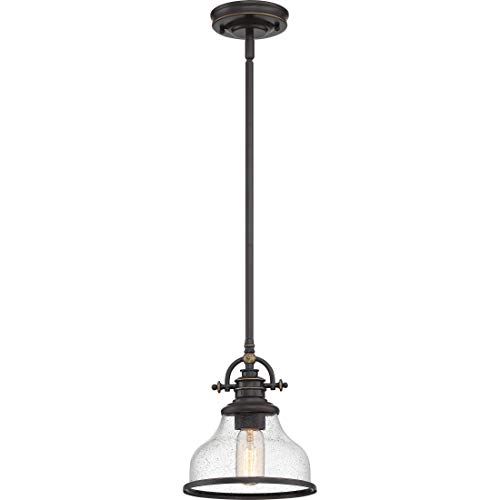
Quoizel Grant 8-Inch Clear Seeded Pendant
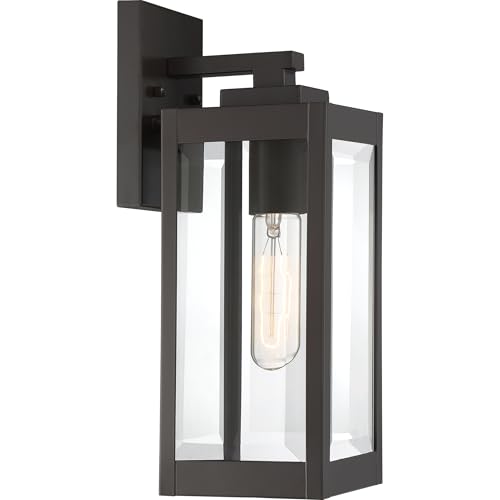
Quoizel Westover 14-Inch Western Bronze Lantern

Quoizel Royer 12-Inch Matte Black Pendant
The Picks, Examined More Closely
I read the Maren as a coastal-leaning wall lantern for porches, patios, and exposed entries. Its 18-inch frame, matte-black metal, and clear glass panels create a graphic presence without a fussy period look. For a modern farmhouse, loft, or coastal home, that combination feels suitably restrained.
Compared with the compact Newbury, the Maren has a squarer frame and a darker, more architectural finish. The aluminum body and weather-resistant coating suit salt-air exposure, while the clear glass maintains a bright view of the source. I favor it where crisp geometry matters more than a softly aged surface.
Real Benefits
- Aluminum construction suits exposed coastal exteriors.
- Clear glass keeps the fixture visually open.
- The 18-inch frame gives porches stronger visual presence.
- Matte black works with wood, stone, and neutral siding.
Practical Considerations
- Installation requires a suitable exterior wall position and electrical connection.
- The 18-inch scale may overwhelm a narrow entry.
Feature Snapshot
Made For
I recommend the Maren for coastal homes, farmhouse porches, and covered exterior entries needing a crisp 18-inch fixture.
A Better Fit Elsewhere
The Quoizel Westover 14-Inch Western Bronze Lantern fits smaller walls and shoppers wanting a warmer traditional finish.
The Newbury brings the strongest period character to this group. Its 20-inch silhouette, aged-copper finish, and clear beveled glass suit a French-inspired porch, colonial entry, or traditional garden wall. The brass body and weather-resistant construction also make the material choice feel appropriate for an exterior fixture.
Where the Maren looks crisp and contemporary, the Newbury develops character as the copper finish ages and patinas. That living surface may not suit a renovation built around one uniform finish, but it gives an outdoor installation a sense of history from the beginning.
Where It Helps
- Solid brass provides a substantial traditional character.
- The aged-copper finish adds warmth to wood and brick.
- Beveled glass creates highlights around the light source.
- The 20-inch frame gives generous entries strong visual scale.
Trade Offs
- Its 20-inch width demands adequate wall space.
- The aged finish is less compatible with stark modern hardware.
The Right Fit
I prefer the Newbury for traditional exteriors, historic homes, and entrances where warm metal and naturally changing color are central to the design.
Where A Sibling Pick Shines
The Quoizel Maren 18-Inch Matte Black Lantern suits coastal exteriors that need a cleaner, less traditional profile.
The Grant pendant translates lantern styling into a compact overhead fixture. Its 8-inch opal-etched shade gives kitchen islands and dining tables a soft, period-inspired glow, while Palladian bronze adds a warmer counterpoint to the black metal used outdoors. I find it particularly convincing in a traditional kitchen.
Unlike the fixed wall placement of the Maren and Newbury, this pendant can move vertically. The supplied downrods and 12.5-to-48.5-inch hanging range make it practical across islands, bars, smaller tables, and ceilings with changing height.
What Makes Sense
- Opal etching softens the appearance of the bulb.
- Multiple downrod lengths suit varied ceiling heights.
- The compact 8-inch shade works better than a large dining pendant.
- Sloped-ceiling compatibility broadens placement options.
- Bronze complements wood cabinetry and traditional trim.
Small Caveats
- Overhead placement requires appropriate ceiling support and electrical wiring.
Quick Facts
Built With In Mind
I favor the Grant for kitchen islands, breakfast tables, and compact dining rooms needing soft light and adjustable placement.
Another Choice May Suit
The Quoizel Grant 8-Inch Clear Seeded Pendant better serves a vintage kitchen where the bulb and glass texture should remain visible.
Clear seeded glass changes the Grant from a softened pendant into a more explicit display fixture. Seeded glass contains small imperfections that catch and scatter light, making the source visible through a textured surface. For a vintage kitchen or collected interior, that visual detail may be more compelling than a uniform white shade.
This model retains the same compact dimensions and adjustable hanging range as the opal-etched Grant. The meaningful distinction is optical: opal glass softens the bulb’s outline, while clear seeded glass reveals more of the light and surrounding texture. I choose by atmosphere rather than size.
A Strong Showing
- Seeded glass adds visible texture and sparkle.
- The 8-inch shade stays compact above a table.
- Adjustable rods accommodate different hanging positions.
Details To Watch
- Visible texture may not suit a minimalist room.
- The clear shade offers less visual softening than the opal version.
- Ceiling installation still requires proper electrical support.
Technical Notes
Made For
I recommend the seeded Grant for vintage kitchens, collector-style dining rooms, and anyone who wants the light source visually exposed.
Look Elsewhere When
The Quoizel Grant 8-Inch Opal Etched Pendant better suits a kitchen seeking smoother light and a less conspicuous bulb.
The Westover answers a practical problem for narrow exteriors: how to add lantern character without placing an oversized frame beside a door. Its 14-inch height sits between the 18-inch Maren and the more compact pendant lights, giving porch and patio walls a measured middle ground. The Western Bronze finish also softens the severity of a traditional lantern profile.
Clear beveled glass and hand-riveted accents create most of its character. The steel body is intended for outdoor conditions, and the fixture is ETL listed for wet locations, making it a sensible choice beside an exposed door or garden wall.
Features That Help
- The 14-inch size suits narrower exterior walls.
- Beveled glass catches light around the frame.
- Steel construction suits outdoor mounting.
- Western bronze complements brick, stone, and wood.
Points To Note
- Clear glass exposes the light source more than opal glass.
- Wet-location suitability does not remove the need for proper electrical installation.
Who It Suits Best
I recommend the Westover for compact porches, garden walls, and patio doors where traditional detail must work at a restrained scale.
Reach For A Different Pick When
The Quoizel Maren 18-Inch Matte Black Lantern better suits an exterior centered on coastal geometry and a darker finish.
The Royer feels less formal than the Grant pendants and more interior-focused than the outdoor wall lanterns. Clear water glass, matte-black metal, and natural rope detailing give the 12-inch shade a relaxed coastal character. I see it working particularly well in an entryway, hallway, bedroom, or kitchen with informal materials.
Its damp-location rating makes it suitable for interior spaces where moisture may occur, while sloped-ceiling compatibility adds installation flexibility. Unlike the 8-inch Grants, the Royer uses a wider shade and a 100-watt medium-base bulb maximum, giving the source more presence beneath the fixture.
The Good Stuff
- Natural rope detailing softens the matte-black frame.
- Water glass adds coastal texture to a compact shade.
- Damp-location rating suits several everyday interior spaces.
Potential Compromises
- The 12-inch shade has more visual weight than either Grant pendant.
- It is rated for damp locations rather than fully exposed outdoor use.
Core Details
The Right Fit
I favor the Royer for coastal entryways, relaxed kitchens, and compact rooms that need gentle overhead character.
Swap It Out When
The Quoizel Grant 8-Inch Opal Etched Pendant better suits a traditional dining table requiring a smaller profile and softer light.
Matching Lantern-Style Fixtures to the Space
Start With the Installation Location
Wet-location exterior lanterns require a more weather-appropriate construction than indoor pendants. The Newbury, Maren, and Westover fit that outdoor role, while the Royer is specified for damp locations. A covered porch, open-sided entry, bathroom, or kitchen can have very different exposure, so the location should determine the category before the finish.
Match Scale to the Mounting Point
An 18-inch frame gives a substantial porch more presence but needs enough wall space to avoid feeling crowded. The 14-inch Westover handles narrower exterior walls, while the 8-inch Grant pendants keep dining-table lighting visually restrained. The Royer’s 12-inch shade falls between those scales and suits a compact ceiling area with a relaxed atmosphere.
Compare Glass and Metal
Opal-etched glass softens the visible bulb, clear seeded glass adds texture, and water glass gives the Royer a more organic coastal character. The metal finishes carry equal importance: matte black looks crisp, aged copper feels established, Palladian bronze adds warmth, and Western bronze bridges traditional and modern exteriors.
Check the Hanging System
Pendant height matters as much as shade width. The Grant models include 6-inch and 12-inch downrods and offer a 12.5-to-48.5-inch hanging range. This adjustment helps position the light correctly over a table or island, while the Royer’s sloped-ceiling compatibility offers similar placement flexibility for interior rooms.
Two Details That Change the Decision
Where Shoppers Go Wrong
Choosing by antique appearance alone can produce a poor fit. A 20-inch wall lantern may overwhelm a narrow facade, while an 8-inch pendant may look undersized above a long island. Checking location, scale, and glass before focusing on finish prevents the decorative details from masking a practical mismatch.
What Separates Premium From Basic
Material and finish depth affect the fixture’s character over time. Solid brass, aluminum, and steel serve different structural roles, while aged copper introduces a patina that can evolve. A higher-grade finish may matter most on an exposed wall where the fixture forms part of the architecture.
Frequently Asked Questions
Are These Actually Oil-Burning Lanterns?
No. These are electrical fixtures styled after traditional oil lanterns. They provide antique-inspired design without filling, wick maintenance, or liquid-fuel handling.
Which Model Works Best for an Exposed Porch?
The Quoizel Newbury, Maren, and Westover are listed for wet locations and suit exterior wall installation. The Newbury offers the strongest traditional character, while the Maren and Westover cover coastal and compact-wall designs respectively.
Can the Grant Pendants Handle a Sloped Ceiling?
Yes. Both Grant pendant models are compatible with sloped ceilings. Their supplied downrods and broad hanging range also make them adaptable to different ceiling heights and table positions.
What Is the Difference Between Opal and Seeded Glass?
Opal-etched glass produces a smoother, more diffused appearance around the bulb. Clear seeded glass exposes the light source while adding a textured pattern that becomes more noticeable when illuminated.
Is the Royer Suitable for a Bathroom?
Yes, its damp-location rating suits bathrooms and similar interior spaces. It remains distinct from the wet-location models, so a fully exposed exterior installation calls for a different fixture.
Final Verdict
For a traditional exterior with room for a substantial fixture, I favor the Newbury’s aged copper and beveled glass. The Westover handles tighter walls, while the Maren suits darker coastal styling. Indoors, the Grant opal pendant offers the most restrained illumination, the seeded version adds visible texture, and the Royer brings relaxed coastal detail. None uses liquid fuel, so the decision comes down to placement, scale, glass character, and finish.