
A failing anode rod can leave your water heater tank exposed to corrosion, especially in an RV that sees frequent travel and changing water conditions. An anode rod is a sacrificial component that corrodes in place of the tank, so choosing the correct thread, length, and tank fit matters. These options cover RV-specific replacements, household models, powered designs, and bundled maintenance kits.
A Snapshot Of The Selections

Suburban 232768 Aluminum Anode Rod
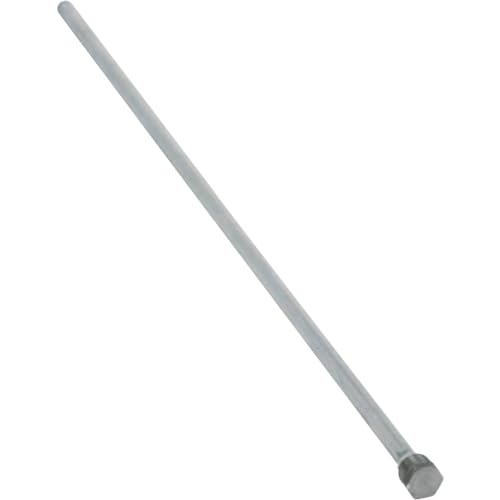
A. O. Smith Replacement Aluminum Anode Rod
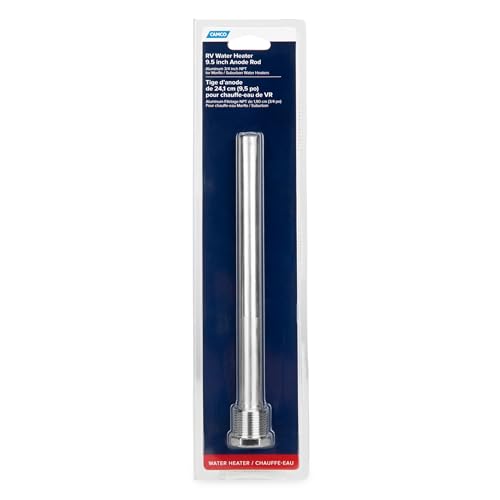
Camco Aluminum RV Water Heater Anode Rod 11563

Powswopx 2-Pack RV Anode Rods with Socket

Eau 2-Pack Aluminum/Zinc Anode Rods

Corro-Protec Powered Anode Rod

Corro-Protec Bradford White Outlet Rod
Water Connection AR136 Aluminum-Zinc Anode Rod
A Breakdown Of The Leading Choices
The model number makes this a straightforward choice for an RV owner who can confirm a Suburban 232768 application. Its 9-inch length, 3/4-inch diameter, and aluminum construction suit compatible Suburban aluminum tanks, where a close dimensional match helps during installation.
Its practical advantage is brand-specific relevance rather than broad versatility. That narrower focus suits RV technicians and campers maintaining a known Suburban model, though verifying the model number before removal avoids an unnecessary replacement.
A Strong Showing
- Model-specific fit simplifies RV replacement decisions.
- Aluminum construction matches compatible Suburban tank requirements.
- The 9-inch rod fits within the documented 232768 dimensions.
- A compact package fits readily inside most RV service compartments.
Practical Considerations
- Compatibility centers on Suburban 232768 applications rather than a broad range of heaters.
- Confirm the existing rod length and thread before draining the tank.
Key Specs
The Right Fit
You benefit most with a Suburban 232768 aluminum RV water heater and a preference for an exact model-specific replacement.
A Better Fit Elsewhere
Camco Aluminum RV Water Heater Anode Rod 11563 suits RV owners needing a documented Suburban and Mor-Flo fit with a 9.5-inch length.
A 29-inch aluminum rod suits a taller, accessible tank connection where the Suburban 232768’s 9-inch RV format would fall short. This is a longer replacement designed for Reliance water heaters, making thread and clearance as important as the material.
For household maintenance, the straightforward dimensions make sense when you have already identified the compatible Reliance model. The 3/4-inch connection matches the replacement specification, while the length demands enough working room to remove the old rod without forcing it.
Practical Pluses
- The 29-inch length reaches deeper tank connections.
- Aluminum construction suits standard sacrificial-rod maintenance.
- The 3/4-inch size provides a documented replacement dimension.
Points To Note
- Its length requires more clearance than a compact RV anode rod.
- Reliance compatibility makes it less suitable for an unidentified tank.
Built With In Mind
This option fits homeowners replacing a 3/4-inch, 29-inch rod in a compatible Reliance water heater with room to maneuver.
Where Another Pick Shines
Suburban 232768 Aluminum Anode Rod better serves RV owners who need the shorter 9-inch model-specific replacement.
Camco gives you a compact RV option for Suburban and Mor-Flo aluminum tanks. The 9.5-inch rod is only slightly longer than the Suburban 232768, but its broader brand coverage may be more useful when your RV heater carries a Mor-Flo designation.
Its 3/4-inch NPT connection uses National Pipe Thread, a tapered pipe thread commonly used for plumbing fittings. Unlike the 29-inch Reliance rod, this shorter profile is better suited to the tighter service spaces found inside an RV.
Where It Excels
- Documented fit covers both Suburban and Mor-Flo RV heaters.
- The 9.5-inch length suits compact RV service compartments.
- Aluminum construction provides a conventional replacement material.
- A 3/4-inch NPT connection offers a clear fitting target.
Worth Noting
- The listed rod diameter and thread call for a close fit check before installation.
- It remains RV-focused rather than a universal household replacement.
Feature Snapshot
Who It Suits Best
You benefit most with a Suburban or Mor-Flo RV heater and a compact 3/4-inch NPT replacement connection.
Look Elsewhere When
Powswopx 2-Pack RV Anode Rods with Socket better fits RV owners who want two rods and a 1-1/16-inch socket for maintenance.
Two rods and a 1-1/16-inch socket give you a more complete maintenance setup than the single Camco model. The 9.25-inch aluminum-zinc rods use a 3/4-inch thread and fit documented Suburban and Mor-Flo RV applications, including replacement part 232767.
For an RV owner planning routine service, the second rod provides another compatible unit on hand. You still need to confirm clearance, because the 9.25-inch length approaches the 9.5-inch Camco profile while remaining distinct from a deeper household installation.
Useful Touches
- Two rods support planned maintenance and a future replacement.
- The included 1-1/16-inch socket assists removal and installation.
- A 3/4-inch thread matches many RV anode connections.
- The 9.25-inch length remains close to the Camco model’s compact profile.
Things To Consider
- The pair only helps RV applications with matching thread, length, and clearance.
- Confirm that the socket matches the existing hex head before starting work.
Quick Facts
Made For
You benefit most with a Suburban or Mor-Flo RV tank and a preference for maintaining spare matched components.
Another Choice May Suit
Eau 2-Pack Aluminum/Zinc Anode Rods better fits RV owners who want a two-pack with a broader tank-fit check before purchase.
A two-pack is useful when you want to cover the current service and keep a second aluminum-zinc rod available. The pairing focuses on RV heater maintenance, where access is often tighter and carrying a spare can make future repairs less disruptive.
Compared with the Powswopx 2-Pack RV Anode Rods with Socket, this option shares the two-rod format and aluminum-zinc material focus. The practical difference is that Eau does not list a socket, thread, or length, so you must verify those measurements against the existing installation.
What Earns Its Place
- Two rods provide useful backup for recurring RV maintenance.
- Aluminum-zinc construction targets corrosion-protection applications.
- The paired format simplifies stocking a replacement component.
Possible Compromises
- No socket is included for rod removal.
- Thread and length details are needed before you can confirm installation fit.
Best Suited To
You benefit most with an RV water heater, matching dimensions, and a preference for keeping a second compatible rod on hand.
Reach For A Different Pick When
Powswopx 2-Pack RV Anode Rods with Socket better fits RV owners who value documented dimensions and an included 1-1/16-inch socket.
The powered approach changes the maintenance decision from periodically replacing a consumable rod to installing an active corrosion-control component. This model is intended for 10- to 39-gallon tanks, giving you a clear capacity range to compare with your heater label.
Unlike the conventional two-pack from Eau, a powered rod introduces electrical installation and its associated setup considerations. It makes sense for a household tank within the listed range, particularly when the available anode connection and electrical placement can accommodate a powered assembly.
Strengths Worth Knowing
- Powered operation adds an active approach to corrosion protection.
- The listed 10-to-39-gallon range narrows the fit decision.
- It offers a different maintenance model from consumable aluminum-zinc rods.
Details To Watch
- Electrical requirements and connection placement need confirmation before installation.
- The specified capacity range excludes larger tanks.
Who Should Grab It
You benefit most with a 10- to 39-gallon water heater and a suitable powered-anode connection.
Swap It Out When
Corro-Protec Bradford White Outlet Rod better fits owners whose heater has no dedicated anode port and needs a hot-outlet arrangement.
Hot-outlet installation gives this powered rod a distinct role in heaters without a conventional anode connection. The model is designed for Bradford White systems and also lists compatibility with Bosch and A. O. Smith heaters, excluding Buderus, so brand checking remains essential.
Its 10-to-120-gallon range covers more tank sizes than the Corro-Protec Powered Anode Rod, which is limited to 10-39 gallons. A 3/4-inch NPT fitting anchors the installation plan, and the hot-outlet position makes this a better fit for compatible tanks lacking a dedicated port.
Why It Works Well
- Hot-outlet placement suits tanks without a dedicated anode port.
- The 10-to-120-gallon range covers a wide range of tank sizes.
- A 3/4-inch NPT connection provides a clear thread requirement.
- Compatibility extends beyond Bradford White to specified Bosch and A. O. Smith systems.
Areas To Watch
- Buderus heaters fall outside the listed compatibility.
- Hot-outlet installation requires confirming clearance and plumbing configuration.
Technical Highlights
Who Will Love This
You benefit most with a compatible Bradford White, Bosch, or A. O. Smith tank and no dedicated anode port.
Consider Something Else When
Corro-Protec Powered Anode Rod better fits owners with a 10- to 39-gallon tank and an available conventional powered-anode connection.
The AR136 puts material specification at the center of the decision. Its A420 aluminum-zinc alloy is listed against the U.S. Mil-A-18001K/W specification, giving technicians a documented material reference rather than a general aluminum description.
Compared with the Suburban 232768, which uses aluminum and targets a specific RV model, the AR136 emphasizes alloy composition. You still need to verify the replacement dimensions, because the listed information does not establish fit for a particular water-heater brand or connection.
Real-World Strengths
- Aluminum-zinc alloy targets corrosion-prone tank environments.
- A420 material naming provides a clear technical reference.
- The stated specification supports a more informed material comparison.
Factors To Consider
- Confirm thread, length, and tank-model compatibility before purchase.
- The listed material information does not establish RV-specific fit.
Core Details
Whose Shelf It Belongs On
You benefit most when your priority is a specifically documented aluminum-zinc material and you can confirm the tank connection separately.
Where A Sibling Pick Shines
Camco Aluminum RV Water Heater Anode Rod 11563 better fits RV owners who need documented Suburban and Mor-Flo compatibility, 3/4-inch NPT threading, and a 9.5-inch length.
Match The Rod To Your Water Heater
Start With The Tank Connection
A replacement must match the existing thread, diameter, length, and available clearance. NPT means National Pipe Thread, a tapered pipe connection used on many water-heater components. Measure the old rod or consult the tank documentation before ordering, especially for long rods inside household heaters.
RV Or Household Installation
RV-specific options such as the Suburban 232768 and Camco 11563 provide clearer model guidance for compact tanks. The A. O. Smith Replacement Aluminum Anode Rod offers a 29-inch length for Reliance applications, while the two Corro-Protec models use a powered design that introduces electrical and connection considerations.
Material And Maintenance Style
Aluminum-zinc material offers a conventional sacrificial rod, while powered models provide a different maintenance approach. A two-pack helps you keep a matched spare, and a bundled socket makes removal easier. You should also consider where a spare rod will be stored without creating moisture or handling problems.
Check The Installation Before Ordering
The old rod usually provides the most useful template for comparing length, thread, and head shape. A powered model also needs a suitable electrical location and connection path. For a hot-outlet installation, confirm that the outlet can be modified without interfering with required plumbing clearances.
Avoiding Anode Rod Mismatches
Mistakes Worth Dodging
Avoid judging only by diameter. A matching thread with the wrong length may not reach properly, while a long rod may not fit through the service opening. Confirm the heater brand, tank material, anode location, and tank capacity before choosing a conventional or powered design.
What The Higher Tier Buys
More specialized options often add documented compatibility, bundled removal tools, or powered operation. Those additions matter when access is tight, the tank lacks a standard anode port, or a technician values a stated material specification. The premium tier is most useful when its added feature solves a documented installation problem.
Frequently Asked Questions
What Is An Aluminum Zinc Anode Rod?
An aluminum zinc anode rod is a sacrificial component that corrodes in place of the water-heater tank. Its material and dimensions must match the heater’s connection and installation requirements.
How Do I Know Which Anode Rod Fits?
Match the thread, diameter, length, tank material, and model compatibility to the existing heater. Measure the current rod or consult the tank documentation before purchase.
When Should An Anode Rod Be Replaced?
Replacement timing depends on the rod’s condition, water chemistry, and tank type. Inspect the rod during routine service and replace it when corrosion has substantially reduced its protective function.
Are Powered Anode Rods Better Than Standard Rods?
Powered rods suit heaters with suitable electrical and connection arrangements, including some hot-outlet installations. Standard aluminum or aluminum-zinc rods remain simpler choices for compatible conventional anode ports.
Why Does Hot Water Sometimes Smell Like Rotten Eggs?
Sulfur compounds and tank reactions can contribute to an unpleasant hot-water odor. Checking the anode condition and heater maintenance history helps identify whether a replacement or additional service is appropriate.
Final Verdict
Start with the heater model and existing connection, then choose based on length, thread, material, and installation style. Compact RV rods suit model-specific replacements, two-packs simplify future service, and powered options address a broader set of tank arrangements. The right rod is the one that matches your heater and your available service space.