
A aging toilet handle or a basement drainage problem can make an otherwise routine bathroom project far more complicated. You may need a decorative flush lever for a coordinated remodel, or a macerating toilet system to carry waste from fixtures below the main drain line. These options serve very different needs, so the right choice comes down to your plumbing layout, fixture connections, and available space.
A Snapshot Of The Selections

Moen Doux Flush Lever YB0201BL
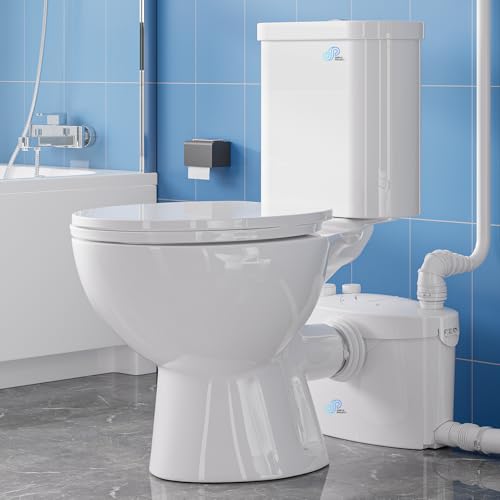
Simple Project 750W Macerator

Simple Project 600W Silent
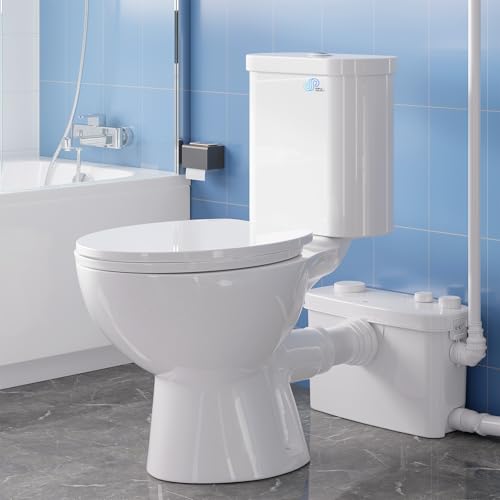
Simple Project 500W 4-Inlet

Simple Project 1000W Toilet

Simple Project 600W Basement
The Details Behind The Selections
A worn chrome handle can make a finished bathroom look unfinished again. A flush lever is the handle used to release water from the tank into the bowl, and the Moen Doux YB0201BL gives that small piece a softer decorative shape with a 4.25-inch brass construction and matte black finish.
The black finish ties neatly into a room built around the Doux collection, especially when you also need a coordinated faucet or accessory. For a straightforward hardware replacement, the included template and mounting hardware reduce guesswork, while the corrosion-resistant metal post provides a stable connection point.
Where It Helps
- Coordinates with other Doux bathroom fixtures and accessories.
- Matte black adds visual contrast to chrome, nickel, and white finishes.
- The installation template supports more accurate handle positioning.
- Placement options cover most front, side, and angle-style tanks.
Practical Considerations
- Check your tank geometry and handle clearance before ordering, even though many common tank styles are supported.
- The coordinated look matters most in a Doux-equipped bathroom, while a mismatched collection may make the finish feel isolated.
Key Specs
The Right Fit
This handle suits homeowners refreshing a Doux bathroom who value coordinated hardware more than a full toilet-system replacement.
A Better Fit Elsewhere
A Simple Project 600W Silent system serves you better when a basement bathroom needs a complete macerating toilet rather than a decorative tank lever.
A macerating toilet grinds waste and pumps it into the drainage line, making it useful where gravity-fed plumbing is difficult. The 750W motor gives this Simple Project system substantial pumping power, with a stated reach of up to 360 feet horizontally and 36 feet vertically.
Its four inlet ports also broaden the installation beyond the toilet itself. A shower, washbasin, or laundry area can share the same macerating arrangement, which is helpful in a compact basement where separate waste lines would be inconvenient. Compared with the Moen Doux lever, this option addresses the entire waste-moving system rather than only the tank handle.
The Helpful Details
- The 750W motor provides more rated power than the 500W and 600W alternatives here.
- Four inlet ports support several connected bathroom fixtures.
- Stainless steel cutting blades break waste down before pumping.
- The stated 360-foot horizontal reach supports flexible basement routes.
- Round-the-clock support is included for installation or operating questions.
Points To Note
- Confirm that the route, turns, and outlet height fit within the pump’s stated reach before ordering.
- A complete basement bathroom still requires compatible drainage, electrical, and local-code planning.
Feature Snapshot
Made For
This system fits DIY-minded homeowners with a basement bathroom where several fixtures must discharge through a macerating arrangement.
Another Choice May Suit
The Simple Project 1000W Toilet offers more rated motor power for a particularly long or demanding waste run.
Noise becomes a legitimate concern in a basement bathroom, particularly when the toilet shares a wall with a bedroom or work area. The Simple Project 600W Silent places quieter operation at the center of its design while retaining the grinder-and-pump arrangement needed to move waste away from a below-grade fixture.
Four water inlets give the system room to accept waste from a shower, laundry area, or washbasin. Compared with the 750W Macerator, this model uses a 600W motor but keeps the same four-inlet approach, so your selection can come down to the pump route and operating priorities rather than fixture count alone.
A Few Highlights
- The quiet-operation focus suits bathrooms near bedrooms and shared living areas.
- Four inlets support a multi-fixture basement arrangement.
- The 600W motor provides a useful middle ground between the 500W and 750W systems.
Trade-Offs To Consider
- The 600W rating sits below the 750W and 1000W options for especially demanding routes.
- Verify that the rear-outlet arrangement and four connection points suit your planned bathroom layout.
- You may need an extension arrangement for a long route, and that requirement depends on the actual pipe path.
Who It Suits Best
This system suits homeowners creating a shared below-grade bathroom where reduced operating noise is a priority.
Swap It Out When
The Simple Project 600W Basement fits you better when three connected fixtures and a stated 295-foot horizontal reach match your layout.
Some basement bathrooms need more than a short discharge route, and the included extension pipe gives this 500W system more room to connect to the available drainage line. Its four inlets also suit a compact arrangement in which a shower, sink, and laundry fixture share the toilet’s macerating system.
The flushing system uses 1.6 gallons per flush, a measurement that tells you the water volume used for each flush cycle. Compared with the 600W Silent, this model has a lower motor rating but adds an extension pipe and a stated flush volume, making it a different fit for the route rather than a straightforward replacement.
Positive Takeaways
- The extension pipe helps connect the toilet to a more distant waste line.
- Four inlets provide several fixture connection points.
- The 1.6-gallon flush specification gives you a clear water-use figure.
- Quiet-operation design suits a shared basement bathroom.
Things That May Matter
- The 500W motor has less rated power than the 750W and 1000W systems, so demanding routes deserve careful measurement.
- Check the available extension length and connection route against your planned installation.
Technical Notes
Built With In Mind
This system fits homeowners planning a compact basement bathroom with several fixtures and an extended waste connection.
Where A Sibling Pick Shines
The Simple Project 1000W Toilet serves you better when the waste route requires the highest rated motor power in this group.
A long waste line can place extra demands on a small macerator pump, so the 1000W motor gives this Simple Project system a different role from the lower-powered options. Its stated pumping performance extends up to 40 feet, making the route itself the central planning consideration.
The included extension pipe and four water inlets support a connected basement bathroom rather than an isolated toilet installation. Compared with the 500W and 600W systems, the higher motor rating adds power to the grinder and pump arrangement, which can be reassuring for a challenging layout.
Everyday Advantages
- The 1000W motor has the highest rated power among these systems.
- An extension pipe provides added flexibility for the waste connection.
- Four inlets let several bathroom fixtures share the macerating arrangement.
Minor Gripes
- Measure the full route before ordering, since the stated 40-foot performance still needs to correspond to your pipe layout.
Best Suited To
This system suits homeowners with a below-grade bathroom and a waste route that benefits from a higher-powered pump.
Reach For A Different Pick When
The Simple Project 600W Silent makes more sense for a shorter basement layout where quieter operation matters more than the 1000W rating.
A basement bathroom does not always need four fixture connections, and that is where this one-piece macerating toilet earns its practical appeal. Its three water inlets can accept waste from a sink, shower, or washing fixture while the toilet handles the main bathroom use.
The 600W pump has a stated reach of up to 295 feet horizontally and 30 feet vertically, giving you a defined range for planning the discharge route. Compared with the four-inlet 600W Silent, this model trades one connection point for a more compact set of fixture options and a one-piece body style.
A Favorable Mix
- Three inlets cover several common bathroom fixture connections.
- The one-piece body provides a distinct alternative to the two-piece systems here.
- Stainless steel blades support the waste-grinding function.
- The 295-foot horizontal reach supports longer basement layouts.
- The stated 30-foot vertical reach handles waste below the main line.
Worth Bearing In Mind
- Three inlets offer less expansion flexibility than the four-port alternatives.
- The stated reach is shorter horizontally and vertically than the 750W Macerator’s figures.
- Check the one-piece footprint and outlet arrangement against your available bathroom space.
Feature Overview
Who Will Love This
Not Your Match When
The Simple Project 500W 4-Inlet fits you better when a fourth connection point and an included extension pipe are essential to the layout.
Plan The Flushing Toilet Around Your Plumbing
Start With The Waste Route
For a decorative lever, the tank shape, handle position, and clearance determine compatibility. For a macerating toilet, the route matters more: note the horizontal run, vertical rise, number of bends, and location of the existing drain line. Pump reach figures offer a starting point, but your actual pipe path determines whether the arrangement is practical.
Match Motor Power To The Layout
A macerator uses a grinder and pump to move waste through a pipe route. Higher wattage provides more rated motor power, yet the strongest option still needs a suitable route and correctly planned installation. Compare the stated reach, outlet height, and number of turns rather than focusing on wattage alone.
Count Fixture Connections Carefully
Inlets are the ports that accept waste from other bathroom fixtures. A four-inlet system gives you more options for a shower, sink, or laundry area, while a three-inlet arrangement may suit a more compact plan. Count the additional fixtures you intend to connect before selecting the system, and include the toilet in your overall bathroom layout.
Avoid The Common Plumbing Missteps
Mistakes Worth Dodging
A common mistake is choosing a macerating toilet by pump power before measuring the waste line. Another is assuming every fixture can connect without checking inlet count, outlet direction, and pipe clearance. Review the complete layout before ordering either component.
The Upgrade Payoff
Spending more can bring a higher-rated motor, a longer extension pipe, or additional inlet connections. Those additions help only when your measured route and fixture plan require them, so the best upgrade is the one that solves a real layout constraint.
Frequently Asked Questions
What Is A Flushing Toilet Lever?
A flushing toilet lever is the handle that releases tank water into the bowl. The Moen Doux YB0201BL is a decorative replacement handle designed for compatible tank styles.
Can A Macerating Toilet Work In A Basement?
Yes, a macerating toilet is designed to pump waste through a pipe route and can suit below-grade installations. Your fixture layout, drainage connection, and local requirements still need to fit the system.
How Many Fixture Inlets Do You Need?
Count each additional fixture you plan to connect, such as a shower, sink, or laundry area. Three-inlet models cover three such connections, while four-inlet systems provide one more option.
What Does Macerator Wattage Tell You?
Wattage indicates the motor’s rated power for grinding and pumping waste. Higher power may suit a demanding route, but reach, pipe layout, and connections remain essential parts of the decision.
Do You Need An Extension Pipe?
You need one only when your waste connection requires additional routing and the chosen system includes a suitable pipe. The Simple Project 500W 4-Inlet and Simple Project 1000W Toilet both include an extension pipe.
Final Verdict
A coordinated Moen handle is the sensible choice for a decorative tank update, while the Simple Project systems address distinct basement layouts through motor power, pump reach, and inlet count. Measure the waste route, count your connected fixtures, and choose the option that matches the actual installation rather than the largest specification on the page.