
A dark bedroom, a flashing phone screen, and an abrupt alarm can turn waking up into an unpleasant jolt. I prefer devices that soften the transition with dim displays, gentle light, soothing sound, or adjustable snooze, with enough scheduling control to fit a real routine. The six options below serve different needs, from compact bedside models to nursery devices and large wall displays.
The Choices Worth Comparing

ALANAS Slim Digital Alarm Clock, Big Mirror Display, Dual USB Charging Ports

FamiSym White Noise Machine, Dimmable Clock, 34 Sounds
AFIFI Digital Wall Clock, 10.8-Inch Display, Date and Temperature

Hatch Sleep Clock, Cocoa

Hatch Sleep Clock, Greige
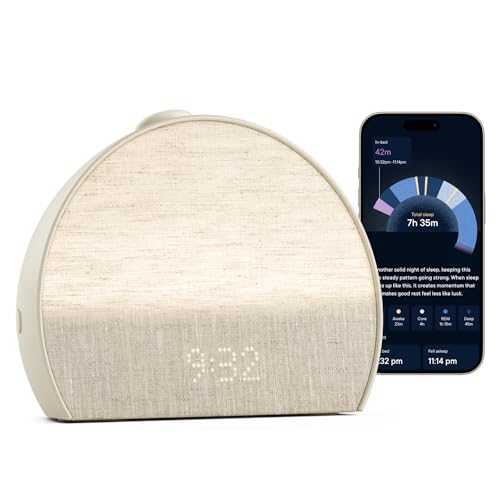
Hatch Sleep Clock, Putty
The Details Behind The Selections
The ALANAS Slim Digital Alarm Clock suits a nightstand where a bright screen would be intrusive. Its mirror-style face keeps the display restrained, while the fourth brightness level turns off the backlight without hiding the visible time. That balance of control and compact proportions makes it a practical choice for a bedroom, dorm, or desk.
Two independent alarms make it especially useful for households with different schedules, and each can follow weekday, weekend, or daily patterns. Compared with the FamiSym, this model focuses on scheduling and screen comfort rather than a broad library of sleep sounds.
Useful Highlights
- Two independent alarms support separate weekday and weekend routines.
- Snooze intervals range from 5 to 60 minutes for a slower transition into the day.
- Four brightness levels include a backlight-off setting for darker rooms.
- Two USB charging ports reduce the need for separate bedside adapters.
Worth Noting
- The alarm remains audible rather than using gradual light as the primary wake-up method.
- Charging port placement and cable clearance depend on the available nightstand space.
Feature Snapshot
Who It Suits Best
This model fits light-sensitive sleepers, shared bedrooms, and students who need two schedules without a large bedside unit.
Consider Something Else When
The FamiSym White Noise Machine, Dimmable Clock, 34 Sounds serves families seeking a wider selection of nursery sounds and ambient lighting.
A nursery rarely needs one familiar sound on repeat, which is where the FamiSym Pixie Pro earns its place. Its 34 sound options include white noise, brown noise, rain, wind, ocean, fan, heartbeat, vacuum, and lullabies. That range lets me match the sound to the setting rather than relying on a single tone.
The dimmable clock, temperature display, and ambient night light keep essential information visible without demanding full attention. Unlike the ALANAS, this unit centers on atmosphere and connected control rather than dual alarms and bedside charging.
Practical Advantages
- Thirty-four sounds provide options for naps, bedtime, and background noise.
- The dimmable clock avoids a fixed, bright display in a dark nursery.
- Temperature and ambient light add useful context to the bedside setup.
- Wi-Fi control supports a more flexible nursery routine.
Practical Considerations
- Wi-Fi operation is limited to a 2.4 GHz network.
- The emphasis on nursery sound makes it less focused on office-style scheduling than the ALANAS model.
Quick Facts
Made For
This unit suits parents creating a nursery sound routine, families sharing a room, and light-sensitive sleepers who value many ambient options.
A Better Fit Elsewhere
The ALANAS Slim Digital Alarm Clock, Big Mirror Display, Dual USB Charging Ports is a stronger fit for two independent schedules and adjustable snooze intervals.
The AFIFI Digital Wall Clock brings daylight-scale visibility to spaces where a bedside model would be too small. Its 10.8-inch screen and 3.3-inch digits make the time easy to check from across a living room, kitchen, or office.
Automatic dimming is the key feature for a gentler wake-up experience because the display can reduce its brightness in a dark room. The wall-mounted format also frees the bedside surface, though it makes the clock less convenient for close-range snooze control.
The Practical Payoff
- The oversized display reduces squinting at a small bedside clock.
- Time, date, day, and temperature appear on one screen.
- Automatic dimming supports low-light use and a less glaring alarm display.
- An adjustable alarm offers more control than a fixed waking sound.
Small Caveats
- Wall placement requires an available outlet and suitable mounting position.
- The large display is less suited to compact nightstands than the ALANAS model.
Feature Breakdown
Best Suited To
This clock fits homes and offices where a large, glanceable display matters more than bedside portability.
Another Choice May Suit
The FamiSym White Noise Machine, Dimmable Clock, 34 Sounds better serves a nursery that depends on ambient sound and a subdued clock.
The Hatch Sleep Clock in Cocoa moves beyond a basic audible alarm by combining bedside sleep tracking, a smart light, and a sound machine. The light-based routine gives a bedroom a calmer way to begin the morning, while the sound function adds a consistent background layer. For a shared room, that combination can feel more considered than a sudden phone alert.
The cocoa finish gives this version a darker visual presence beside a nightstand. Compared with the AFIFI wall clock, the Hatch device is designed for close bedside use rather than distance viewing. Its connected sleep-tracking function also makes it more relevant to a routine built around monitoring rest patterns.
Good Reasons To Consider
- Smart lighting supports a gentler visual start to the morning.
- Built-in sound provides a more consistent bedside environment.
- Sleep tracking adds useful context to a nightly routine.
Factors To Consider
- Connected features may add setup demands compared with a basic digital clock.
- The cocoa finish suits darker décor more readily than a light neutral finish.
Technical Highlights
Who Will Love This
The cocoa version suits connected sleepers who want soft lighting, sound, and bedside tracking in one device.
Where A Sibling Pick Shines
The Hatch Sleep Clock, Putty provides the same core functions for a bedroom that calls for a lighter, softer-toned finish.
The greige Hatch Sleep Clock fits neatly into a bedroom that mixes warm wood, muted textiles, and neutral paint. Its bedside format keeps the controls close at hand, while the smart light and sound machine create a softer bedside environment. That combination is more useful for a gradual routine than a conventional display alone.
Sleep tracking adds another layer, helping the device fit into a connected nightly schedule. The main distinction from the cocoa and putty versions is finish rather than function, so décor compatibility should guide the decision. For a compact studio or guest room, the neutral tone may blend more effectively than a darker option.
What Works In Its Favor
- The neutral greige finish suits a broad range of modern interiors.
- Smart light and sound support a gentler pre-waking atmosphere.
- Bedside sleep tracking brings useful routine data to the nightstand.
Possible Compromises
- Smart functionality creates more setup considerations than a basic alarm clock.
- The wall-sized AFIFI display is easier to read from across a room.
The Right Fit
This greige version fits neutral bedrooms, couples sharing bedside space, and connected sleepers focused on routine tracking.
Reach For A Different Pick When
The AFIFI Digital Wall Clock, 10.8-Inch Display, Date and Temperature suits larger rooms that need an easily readable wall display.
The putty finish gives the Hatch Sleep Clock a muted appearance that suits restful, softly decorated rooms. Smart light, background sound, and sleep tracking bring more to the bedside than a basic digital clock, yet the device remains centered on a calm nightly routine. For a bedroom where appearance matters, that balance is the main attraction.
Compared with the greige model, putty offers a slightly softer visual character, though the core functions remain the same. The AFIFI clock makes more sense for room-scale visibility, while this Hatch version is built for a close personal routine. Its appeal comes from combining practical bedside features without a visually busy display.
Where It Excels
- The putty finish complements pale and softly toned bedroom interiors.
- Smart lighting supports a gradual transition away from darkness.
- Sound and sleep tracking sit together in one bedside device.
- The restrained styling avoids the appearance of a technical control panel.
Less Ideal Details
- Those seeking one specific sleep sound should favor the FamiSym’s broader 34-sound library.
Whose Shelf It Belongs On
The putty version fits a minimalist nightstand, a couples’ bedroom, or any calm space built around soft light and sound.
Swap It Out When
The FamiSym White Noise Machine, Dimmable Clock, 34 Sounds is a stronger fit for a nursery needing many ambient sound choices.
What Matters Before Selecting a Gentle Alarm Clock
Light and Sound Come First
A genuinely gentler wake-up method depends on the room and the person. ALANAS minimizes screen brightness, FamiSym provides ambient sound and night lighting, and Hatch uses smart light within a bedtime setup. The right signal is the one that feels least disruptive while still making the morning time clear.
Scheduling Should Match the Routine
Separate alarms, weekday and weekend patterns, and adjustable snooze intervals offer useful control in shared homes. The ALANAS clock has the most explicit scheduling details in this group, while the AFIFI model emphasizes a large wall display and automatic dimming. Households with conflicting routines benefit more from independent settings than from a larger screen.
Placement Shapes Daily Use
A bedside clock needs reachable controls and a compact footprint. A wall clock needs mounting space and an accessible outlet, while a connected sleep device adds setup and network considerations. I check the intended location first, then confirm that the display size, light level, and controls suit that exact space.
Two Details That Shape the Decision
Wrong Turns To Avoid
A large screen does not automatically mean a gentler alarm, and a sound-rich device may still rely on a sudden alert to wake someone. I also avoid choosing a wall clock for a cramped nightstand or a connected model without accounting for setup. The display, alarm method, and location need to work together.
The Upgrade Payoff
Higher-tier models often add smart lighting, sleep tracking, more sounds, or independent scheduling. Those extras suit complex routines and shared spaces, but a simple dimmable clock can handle a straightforward bedside schedule. I favor the feature that removes a recurring point of friction, not the longest specification list.
Frequently Asked Questions for Gentle Alarm Clock
Is a sound machine better than a beeping alarm?
A sound machine can create a more consistent sleep environment, while an audible alarm still needs to wake someone effectively. Light-based routines offer another path for people who dislike abrupt noise.
Can a gentle alarm clock work for heavy sleepers?
Adjustable snooze intervals and multiple alarm settings can make waking less jarring for heavy sleepers. A loud enough alert and a reachable snooze control remain important, regardless of the display style.
Does the FamiSym Pixie Pro require a particular network?
The Pixie Pro uses 2.4 GHz Wi-Fi rather than a 5 GHz network. Households with only a 5 GHz connection need compatible network equipment before relying on its connected functions.
Is a large digital wall clock suitable for a bedroom?
A large display works well in a spacious bedroom when automatic dimming reduces nighttime glare. Wall placement needs enough room, an outlet, and a position that remains visible from the bed.
What makes the Hatch Sleep Clock different?
The Hatch combines sleep tracking, smart lighting, and sound in one bedside device. Its defining advantage is a connected routine rather than a conventional time-only display.
Final Thoughts
The most useful gentle alarm clock is the one that matches a specific bedroom, routine, and level of light tolerance. ALANAS handles scheduling and dimming with compact simplicity, FamiSym covers nursery sounds, AFIFI prioritizes large visibility, and the three Hatch finishes offer a connected bedside approach. I would start with the wake-up method that causes the least friction, then confirm the physical space and setup requirements.