
A steam line running through a basement, garage, or mechanical room needs protection that suits its operating temperature, diameter, and location. The right wrap can limit heat loss and shield nearby surfaces from radiant heat, but a narrow tape may not cover a larger pipe properly. You’ll also need to distinguish passive insulation from an electrical heating cable, which adds warmth rather than simply slowing heat transfer.
The options below cover reflective bubble wrap, outdoor foam tape, a three-layer HVAC sleeve, elastomeric pipe insulation, and pipe heating cable. Pay close attention to dimensions and intended applications, especially since several products listed for water pipes and HVAC lines are not automatically suitable for steam equipment.
The Essentials At A Glance

Fioxcomko 6-Inch x 26-Foot Reflective Pipe Insulation Wrap

Fioxcomko 8-Inch x 26-Foot Reflective Pipe Insulation Roll

Fioxcomko 4-Inch x 26-Foot Reflective Pipe Insulation Roll
QEETOOHH 3-Layer HVAC Copper Pipe Wrap, 72 x 10.2 Inches, Black

LANBEAUTIFY 2-Inch x 32.8-Foot Aluminum-Foiled Pipe Wrap

Funnytek 2-Inch x 32.8-Foot Self-Adhesive Pipe Insulation Wrap
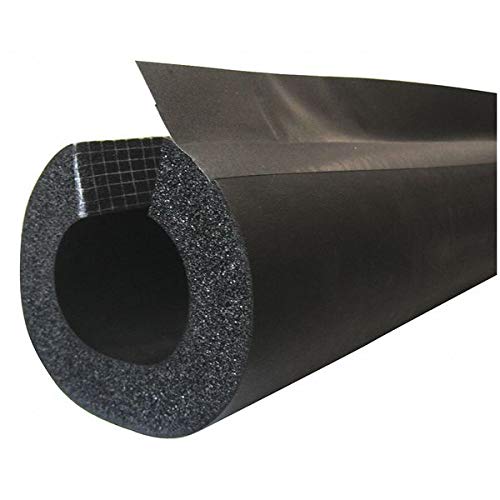
K-FLEX USA 3/4-Inch x 6-Foot Elastomeric Pipe Insulation
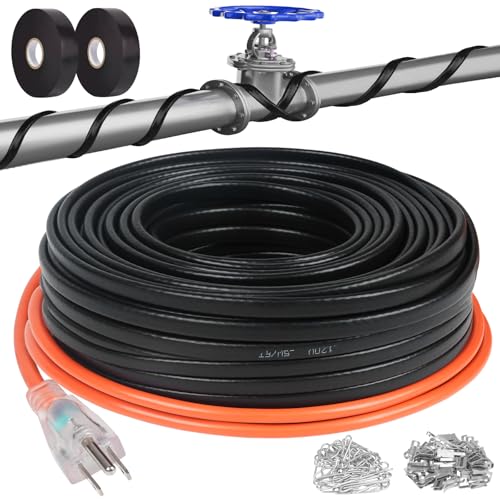
FYSFLYA 3FT-200FT Pipe Heating Cable for Water Pipes
The Strengths Of Each Pick
The 6-inch width gives this Fioxcomko roll enough material for medium-sized pipes, duct sections, and similar exposed runs. Its double-bubble construction pairs a reflective foil face with flexible insulation, making it more useful for radiant-heat control than a thin sheet of foil alone. For a basement or garage, that combination can help limit unwanted heat transfer around accessible lines.
Self-adhesive backing removes the need for separate glue, and scissors let you cut each section to the length you need. Compared with the narrower Fioxcomko 4-Inch x 26-Foot roll, this version should cover more pipe surface per strip, though you still need to verify steam-temperature compatibility and the pipe’s circumference before purchase.
The Helpful Details
- The 6-inch width reduces the number of narrow strips needed around larger exposed lines.
- Peel-and-stick installation suits quick repairs and short mechanical-room projects.
- Scissors make the 26-foot roll easy to divide into separate sections.
- The foil-and-bubble structure provides a radiant barrier without a rigid outer shell.
Practical Considerations
- Confirm that the wrap is rated for your steam line’s temperature and service conditions.
- The 6-inch width may not fully surround a larger pipe without overlapping sections.
Key Specs
Built With In Mind
This wrap suits DIYers handling medium-sized exposed pipes, ductwork, or garage lines who want a flexible reflective barrier.
Another Choice May Suit
The Fioxcomko 8-Inch x 26-Foot Reflective Pipe Insulation Roll serves projects with wider pipes or larger duct sections better.
An 8-inch strip changes the coverage calculation for a substantial exposed line. This Fioxcomko roll can cover a larger pipe circumference, HVAC duct section, or AC hose with fewer overlapping pieces than the 6-inch version. That makes it the more practical of the three reflective rolls for broad surfaces and exposed runs in a garage or attic.
The material remains light and flexible despite its wider format, so installation does not require a rigid shell. A radiant barrier is a layer that reflects radiant heat, while the bubbles add some separation from conductive heat transfer. For steam work, the material still needs to be confirmed for the line’s temperature, and wider coverage does not replace proper seam overlap.
Where It Helps
- Broad width suits larger pipes, ducts, roof vents, and AC hoses.
- A single roll can cover several runs after cutting it into practical sections.
- The self-adhesive face works on metal or plastic surfaces listed for the product.
- Foam bubbles create a flexible barrier that follows bends and fittings.
Things To Consider
- Measure the pipe circumference before ordering, since the 8-inch strip may still need overlapping layers.
- The 26-foot length can be awkward to store in a small utility cabinet, so plan the roll’s orientation first.
- Steam-temperature suitability needs verification for every installation.
Made For
This is a better fit for DIYers handling wide pipes or HVAC surfaces where a narrower reflective strip would require numerous pieces.
Where A Sibling Pick Shines
The QEETOOHH 3-Layer HVAC Copper Pipe Wrap offers a structured sleeve with fastening straps for exposed copper line sets.
The narrower 4-inch Fioxcomko roll fits neatly around modest pipes and short repairs where a wider sheet would bunch up or leave excess material. It shares the reflective double-bubble construction and self-adhesive installation of the larger versions, so its main distinction is handling rather than a different installation method.
You can cut the 26-foot roll into compact sections for a garage wall, utility room, or small HVAC repair. For steam pipes, the narrower profile may be useful on a small branch line, but compatibility must be established before you wrap a high-temperature surface. On larger mains, several overlapping lengths would add installation work.
Strengths Worth Knowing
- Compact width makes small-pipe wrapping and segmented repairs more manageable.
- Flexible bubbles conform to bends and moderate changes in pipe direction.
- Adhesive installation speeds up temporary or seasonal insulation tasks.
- Reflective foil helps address radiant heat around accessible pipework.
Worth Noting
- Measure coverage carefully on medium or large steam mains.
- Plan for a half-inch seam overlap where the instructions call for it.
Feature Snapshot
Right Fit For
This option suits DIYers insulating small-diameter pipes, branch lines, or short exposed sections where compact material handling matters.
Reach For A Different Pick When
The Fioxcomko 8-Inch x 26-Foot Reflective Pipe Insulation Roll is a better choice for a larger pipe needing broader coverage per strip.
This sleeve is built around a protected HVAC line set rather than a loose strip of tape. Its 600D Oxford fabric exterior adds a durable outer layer, pearl cotton provides the central cushion, and reflective foil faces the interior. That layered construction gives exposed copper lines more support than the flexible Fioxcomko rolls.
Adhesive tape and four adjustable metal buckle straps hold the 72-inch sleeve in place without requiring separate tools. For a residential or commercial HVAC installation, the combination reduces dependence on adhesive alone. Steam lines still require separate temperature and service compatibility, and the stated 2.5-inch diameter must match your line set.
Useful Strengths
- Three material layers separate the insulation from exterior weather exposure.
- Metal buckle straps provide adjustable mechanical restraint.
- The long sleeve accommodates a full section of a typical HVAC line set.
- Oxford fabric gives the exterior more structure than adhesive foil tape.
Smaller Caveats
- Its stated dimensions may not fit unusual line-set routing or larger insulation.
- Confirm steam suitability before applying it to a steam line.
Technical Highlights
Best Suited To
Installers working on exposed residential or commercial HVAC copper lines will appreciate the layered sleeve and strap support.
Look Elsewhere When
The LANBEAUTIFY 2-Inch x 32.8-Foot Aluminum-Foiled Pipe Wrap better fits small water pipes requiring narrow, cut-to-length tape.
This narrow foam wrap is a practical seasonal measure for exposed plumbing. The 2-inch width fits small pipes more neatly than a broad reflective sheet, while the 32.8-foot length provides enough material for several lines or one extended run. Its aluminum surface also gives outdoor plumbing a finished-looking weather-facing layer.
You can bend the material around elbows or cut it with scissors, and the adhesive backing allows installation without separate tape. The 0.2-inch rubber-plastic cotton layer adds more substance than plain foil. Its main limitation is scale: several wraps may be required around a larger pipe, and you should confirm the temperature range before using it on steam equipment.
Noteworthy Benefits
- The foam layer provides a more substantial barrier than foil alone.
- Flexible construction works around bends and can be cut to length.
- The foil surface adds a weather-facing reflective layer.
- Adhesive-backed installation keeps the roll compact and portable.
Small Limitations
- The 2-inch width is best suited to smaller pipe diameters.
- Multiple overlapping lengths add labor on a larger line.
- Steam-temperature compatibility needs confirmation.
Who Will Love This
Homeowners winterizing small outdoor plumbing lines will find the narrow, cut-to-length format easy to work with.
Skip It When
The QEETOOHH 3-Layer HVAC Copper Pipe Wrap is more suitable for a full exposed HVAC line set with strap support.
The Funnytek wrap has the same narrow format as the LANBEAUTIFY option, but its product details place particular emphasis on straightforward installation and removal. A 2-inch width and 32.8-foot length suit exposed indoor or outdoor water pipes, particularly where you want an adhesive wrap that can be removed after a cold season.
The 0.2-inch rubberized cotton layer and foil face combine a soft inner body with a reflective exterior. Clean the pipe before applying the adhesive, as the product guidance specifically recommends, and allow each section to follow the pipe’s contour. Steam lines require separate compatibility verification because this wrap is presented primarily for cold and hot water plumbing.
Standout Benefits
- Remove-and-reinstall design supports seasonal pipe protection.
- Adhesive backing simplifies installation around accessible plumbing.
- The foil face provides a reflective outer layer for outdoor exposure.
- Scissors allow exact lengths for multiple separate pipes.
Points To Keep In Mind
- Surface preparation matters because dirt or moisture can interfere with adhesion.
- The narrow strip may need several layers on a larger pipe.
Key Product Details
Who Should Grab It
This wrap suits homeowners seeking removable seasonal insulation for accessible hot and cold water pipes.
Consider Something Else When
The Fioxcomko 8-Inch x 26-Foot Reflective Pipe Insulation Roll is a better fit for broad pipes and duct surfaces.
Elastomeric pipe insulation follows a traditional sleeve format used around exposed plumbing and mechanical lines. The K-FLEX USA piece is listed at 3/4 inch by 6 feet, giving you a defined section length and a different approach from the adhesive foil tapes. It can suit a residential or commercial installation where a fitted pipe covering is preferred.
The key decision is dimensional compatibility. A 3/4-inch label can refer to a product dimension rather than the inside diameter of the pipe, so measure the existing line and compare the sleeve’s opening with the pipe before ordering. For steam equipment, check the manufacturer’s temperature and service guidance, as pipe diameter alone cannot establish suitability.
What It Does Well
- A sleeve format creates a neater fit than several loose tape wraps.
- Elastomeric construction suits exposed plumbing and mechanical applications.
- The six-foot section can cover a defined run or be divided for installation.
Possible Compromises
- Measure carefully because the 3/4-inch designation may not represent pipe diameter.
- The listed section may be shorter than a long pipe run.
- Steam-temperature compatibility must be established separately.
Built With In Mind
This option fits DIYers and trade professionals working with short, exposed pipe sections where a traditional sleeve is easier to align than adhesive tape.
Not Your Match When
The FYSFLYA 3FT-200FT Pipe Heating Cable for Water Pipes serves a different need: adding heat to a water pipe in cold conditions.
This cable belongs in a different category from passive insulation. A pipe heating cable is an electrical heat source placed along a water pipe, while an insulation wrap slows heat movement after or during the heating process. You may see heating cable used for frost protection around exposed water lines, gutters, roofs, or outdoor structures.
That distinction makes it useful for a cold-climate water pipe that needs active heat management. The product title includes a 3FT-200FT designation, so verify the selected length before ordering. Heating cable also requires a compatible installation and electrical-control plan; it should never be treated as a drop-in substitute for insulation on a steam line.
The Upside
- Adds heat rather than merely slowing heat loss.
- Supports frost-protection applications for exposed water pipes.
- Can also serve listed snow-melting applications around roofs and gutters.
- Offers an active solution for cold-climate pipe runs.
Factors To Consider
- It requires a suitable electrical installation and control arrangement.
- The listed length designation needs confirmation before purchase.
- It does not replace a steam-rated pipe insulation sleeve.
Important Details
Whose Shelf It Belongs On
This cable belongs with homeowners or facility managers protecting exposed water pipes in consistently cold outdoor conditions.
Swap It Out When
The K-FLEX USA 3/4-Inch x 6-Foot Elastomeric Pipe Insulation is the better fit when passive temperature control around a short pipe section is the goal.
What Matters Before You Cover a Steam Line
Confirm the pipe’s service and temperature
Start with the pipe’s operating conditions, because a wrap suitable for a water line does not automatically suit steam. Check the product’s documented temperature range, intended service, and installation instructions against your system. A reflective barrier can help manage radiant heat, but that does not make every material appropriate for direct steam-line contact.
Match coverage to pipe diameter
Measure the pipe’s outside diameter and the length that needs protection. A 2-inch tape may suit a small branch line, while the 4-inch, 6-inch, and 8-inch reflective rolls cover progressively broader surfaces. Larger pipes may also require several overlapping wraps rather than one complete layer.
Choose the structure your location needs
Foam tape works well for small outdoor plumbing and seasonal jobs, while a layered HVAC sleeve provides a fabric exterior, central cushion, reflective face, and mechanical straps. Reflective bubble wrap remains flexible and useful across ducts, pipes, and other exposed surfaces. The right structure depends on whether you need a narrow repair, broad radiant coverage, or a finished line-set sleeve.
Separate passive insulation from active heat
Pipe insulation limits heat transfer, whereas a heating cable adds energy to a line. They can serve different parts of a cold-weather water-pipe strategy, but they are not interchangeable. Confirm the exact cable length, electrical arrangement, and placement instructions before installation.
Lessons That Prevent Costly Insulation Mistakes
Mistakes Worth Dodging
Choosing by width alone can leave gaps or create excessive layers. Measure the pipe first, then check whether the listed dimension represents width, length, thickness, or an internal fit. Temperature compatibility matters just as much, especially on a steam line, and clean, dry pipe surfaces help adhesive-backed products sit properly.
What Separates Premium From Basic
More layers or a stronger outer shell can add support, weather resistance, and easier fastening, but a basic wrap may be enough for a small accessible pipe. The premium option is worthwhile when exposure, fastening, and appearance are priorities. A narrow self-adhesive tape remains the more efficient choice for a modest water-pipe repair.
Frequently Asked Questions
What type of insulation is best for steam pipes?
The best choice is an insulation product documented for the steam line’s operating temperature and service. Elastomeric sleeves or structured covers may suit exposed piping, while reflective tape can help control radiant heat around other surfaces.
Can reflective bubble wrap be used on steam pipes?
Only after the manufacturer confirms that the material is suitable for the pipe’s temperature and application. Its reflective face can reduce radiant heat transfer, but the backing and adhesive also need appropriate service ratings.
Is a 2-inch pipe wrap enough for small pipes?
A 2-inch wrap can suit many small-diameter pipes, depending on the pipe size and overlap. Compare the pipe’s circumference with the tape width and allow for the recommended seam overlap.
Does pipe insulation prevent freezing by itself?
Passive insulation slows heat loss but does not add heat. A heating cable provides active warmth, so systems in consistently freezing conditions may need both suitable insulation and a properly planned heat source.
Should steam pipe insulation have a reflective outer layer?
A reflective layer can help limit radiant heat transfer to nearby surfaces. The complete construction, operating-temperature rating, and physical fit still determine whether it is appropriate for your steam line.
Wrap Up
The Fioxcomko 8-Inch x 26-Foot roll offers the broadest flexible coverage, while the QEETOOHH three-layer sleeve gives exposed HVAC lines a structured, strapped cover. Smaller water pipes are better served by the 2-inch foam wraps, and the FYSFLYA cable belongs in cold-weather planning as an active heat source. Measure the line, confirm temperature compatibility, and match the insulation structure to the actual installation.