
A storm cuts power just as the refrigerator starts thawing, the Wi-Fi router goes dark, and the sump pump stops working. I understand why backup power is more than a convenience for households that depend on medical equipment, home offices, or well pumps. The practical choice comes down to portable battery capacity, permanently installed standby power, and how much equipment must remain online during an outage.
The six options below cover very different needs, from a lightweight power station for a weekend cabin to permanently installed Generac systems for automatic whole-home protection. I focus on output, monitoring, fuel connection, installation requirements, and the loads each design can reasonably serve.
Your Options, Compared

Generac Guardian 14kW Generator

Jackery Explorer 300 292Wh LiFePO4 Backup Power Station
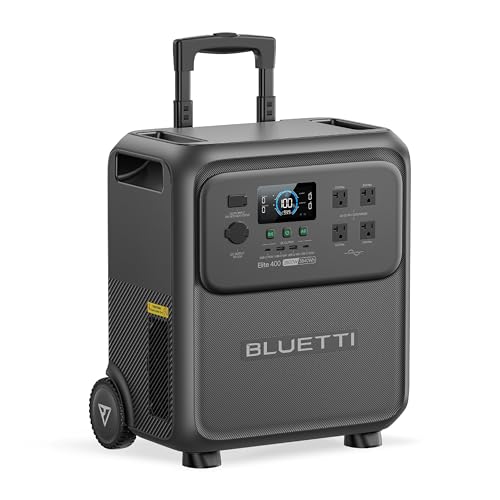
BLUETTI Elite 400 Power Station

Generac 22kW Home Generator
Generac 26kW Home Generator
Generac 24kW Home Generator
Taking A Closer Look At The Options
The Guardian 14kW fits households that need automatic standby power without stepping up to the larger 22kW, 24kW, and 26kW systems. Its 14kW rated output targets essential household loads, while the included transfer switch handles the changeover between utility power and generator operation.
WiFi monitoring adds a practical layer of awareness, letting a homeowner check status through a phone, tablet, or computer. Compared with the cellular-equipped Generac systems later in the list, the Guardian uses WiFi and connects to an existing LP or natural-gas supply, making it a straightforward middle ground for a properly prepared home.
Where It Delivers
- Automatic standby operation removes the need to start a generator manually.
- WiFi status monitoring helps confirm system condition while away from home.
- The included transfer switch supports integration with household circuits.
- Available coverage includes accidental damage and breakdown support, subject to plan terms.
Points To Note
- Permanent installation and an existing LP or natural-gas connection are central to the design.
- Monitoring reports system status, but load selection still depends on a careful household inventory.
Key Specs
Made For
This model best suits homeowners with an installed fuel supply who need automatic power for essential loads and moderate residential demand.
Look Elsewhere When
The Generac 22kW Home Generator is a better fit for households that need broader whole-home load coverage.
At 7.5 pounds, the Explorer 300 turns backup power into gear that can move from a garage to a campsite, hunting site, or temporary outage location. The 292Wh battery and LiFePO4 chemistry suit travelers who need a manageable power reserve rather than a permanently installed system.
Two AC outlets, a 100W USB-C port, and additional USB connections support several devices without crowding around a single wall receptacle. The solar panel is optional, which keeps the core package useful for travel and emergency use.
Positive Takeaways
- The 7.5-pound weight is practical for packing with camping equipment.
- Multiple AC and USB outputs reduce reliance on adapters.
- LiFePO4 battery chemistry suits repeated backup applications.
- Optional solar charging adds flexibility for extended trips.
Trade Offs
- The 292Wh capacity is modest beside the 3840Wh BLUETTI Elite 400.
- Power must be restored manually, making this less suitable for an unattended transfer-switch setup.
Quick Facts
Built With In Mind
This power station best serves campers, travelers, and households needing portable power for a small set of devices.
A Better Fit Elsewhere
The BLUETTI Elite 400 Power Station suits shoppers who need greater capacity and higher output for extended household use.
The Elite 400 occupies the space between lightweight camping power and a permanently installed generator. Its 3840Wh battery provides a much deeper reserve than the Jackery Explorer 300, while 2600W continuous output and 3900W surge capacity accommodate demanding household equipment.
Nine ports reduce the need to select one connection type for every device. The rolling trolley also recognizes that a 3840Wh system is substantial: moving it from storage toward a garage or temporary location should not require awkward lifting.
Advantages To Know
- The 3840Wh capacity supports a broader collection of backup loads.
- Continuous 2600W output is suitable for many household appliances.
- 3900W surge headroom helps accommodate equipment with brief startup demands.
- Nine ports offer better connection flexibility.
- The trolley makes a large battery easier to reposition.
Where It May Fall Short
- It remains substantially heavier and bulkier than a travel-oriented power station.
- Households with central air or other high-demand equipment should compare those loads with the 2600W continuous limit.
- Recharging and repositioning still require planning, even with the included trolley.
The Right Fit
This model best suits households needing substantial portable capacity for refrigerators, electronics, tools, and several household essentials.
Another Choice May Suit
The Generac 22kW Home Generator is the stronger option for automatic, fuel-fed power without manual battery management.
The 22kW Generac brings more output than the Guardian 14kW while remaining below the 24kW and 26kW models. That middle position suits a household with a broad appliance load but no immediate requirement for the highest supported output in this group.
Automatic starting, a transfer switch, and cellular monitoring create a largely hands-off operating setup once the system is properly installed. The generator connects to an existing LP or natural-gas supply, which distinguishes it from a battery model that must be recharged.
A Favorable Mix
- 22kW output provides substantial room for common household circuits.
- Automatic starting restores power without manual intervention.
- Cellular monitoring supports status checks away from home.
- The included transfer switch supports integrated household operation.
Practical Considerations
- Professional installation and an existing gas connection are required for this design.
- Cellular monitoring depends on the availability of the associated cellular service.
Technical Highlights
Who Will Love This
Homeowners seeking automatic whole-home standby power across a broad range of everyday loads will find this balance useful.
Consider Something Else When
The Generac 26kW Home Generator better serves homes whose load calculation points to greater starting and operating capacity.
At 26kW, this Generac has the highest rated output among the six options. It makes sense for a home with multiple high-load appliances, extensive HVAC equipment, or a load calculation that leaves little margin with a 22kW system.
The automatic start, transfer switch, and cellular capability match the operating pattern of the other whole-home Generac options. What changes is the available power envelope, which matters more during simultaneous appliance use than during a single small load.
Bright Spots
- The 26kW rating provides the most supported output in this group.
- Automatic operation removes manual startup during an outage.
- Cellular monitoring helps homeowners check system status remotely.
Small Caveats
- Higher output does not remove the need for a careful load calculation.
- Permanent placement, transfer equipment, and gas-line requirements add installation complexity.
- Cellular monitoring still depends on suitable cellular service at the property.
Who Should Grab It
Large households with several simultaneous high-demand loads are the strongest match for this higher-output system.
Swap It Out When
The Generac 22kW Home Generator may be more proportionate for homes with a smaller, clearly defined load list.
The 24kW model lands between Generac’s 22kW and 26kW options, giving shoppers a distinct middle point in the whole-home range. Its extra capacity over the 22kW system may be useful for broader circuit coverage, while avoiding the move directly to the highest output.
Automatic starting, cellular monitoring, and an included transfer switch preserve the convenience of a permanently installed system. As with the other Generac standby models, an existing LP or natural-gas supply and professional site preparation remain part of the ownership decision.
Where It Helps
- The 24kW rating offers more capacity than the 22kW model.
- Automatic starting supports unattended outage response.
- Cellular monitoring provides remote system visibility.
- The transfer switch supports household power changeover.
Factors To Consider
- The load list should justify the step above 22kW.
- Installation space, gas connection, and transfer-switch placement require planning.
Feature Snapshot
Best Suited To
Households needing whole-home standby capacity with more headroom than the 22kW system will find this model well positioned.
Reach For A Different Pick When
The Generac 26kW Home Generator makes more sense when the calculated household demand genuinely requires the highest output shown.
Matching Backup Power to the Way a Home Lives
Capacity Comes in Two Forms
A portable power station stores energy in a battery, while a standby generator converts fuel into electricity. Battery capacity is commonly expressed in watt-hours, which combines power with duration, and continuous output is measured in watts. Households needing a refrigerator, router, lights, and a few electronics may find portable capacity sufficient, but larger loads change the calculation quickly.
Fuel and Transfer Setup Decide the Installation
Standby systems require a permanent location, professional electrical work, a transfer switch, and an LP or natural-gas supply. Automatic changeover is the main convenience: power returns without a person starting machinery in darkness or rain. Portable stations avoid that installation burden, although someone must connect the intended loads and manage the remaining battery charge.
Remote Status and Support Add Confidence
WiFi and cellular monitoring let a household check operating status away from home. That visibility does not replace load planning, since a generator or power station still has a defined output ceiling. Protection plans, 24/7 support, and breakdown coverage can add ownership reassurance, provided the terms of the selected plan match the intended use.
Avoiding Costly Category Missteps
Mistakes Worth Dodging
The most common error is comparing a portable battery with a permanently installed generator as though they perform the same job. Another mistake is sizing from appliance labels without adding simultaneous loads and startup demand. Installation also deserves attention: a transfer switch, fuel connection, ventilation, and suitable placement must all fit the property.
What The Higher Tier Buys
Higher output adds room for demanding equipment and several appliances operating at once. Larger portable capacity extends runtime and reduces charging pressure, while cellular monitoring can improve remote visibility compared with WiFi. The extra capability is worthwhile only when the household load list actually requires it.
Frequently Asked Questions
Is a portable power station better than a standby generator?
A portable power station suits travel, temporary outages, and a limited set of essential devices, while a standby generator suits permanent automatic operation with fuel-fed capacity. The better choice depends on installation access, required loads, and how often power must operate unattended.
How much power does a household backup generator need?
The required output depends on the appliances running at the same time and their startup demands. Essential circuits may need substantially less than HVAC, pumps, and household appliances running together, so a complete load list provides a better basis than a single wattage figure.
Do Generac generators support remote monitoring?
The Generac Guardian 14kW Generator uses WiFi monitoring, while the listed 22kW, 24kW, and 26kW systems include cellular capability. Either connection type can provide status information away from the property, subject to the relevant network service.
What fuel does a Generac standby generator use?
These Generac standby systems connect to an existing LP or natural-gas supply. The property must have the appropriate fuel infrastructure, and installation should account for safe placement, ventilation, and local requirements.
How long can these systems provide backup power?
A portable power station’s runtime depends on battery capacity and the connected load, while a standby generator can continue operating while its fuel supply remains available. Actual duration therefore depends on power demand, battery state, and fuel availability rather than model name alone.
Final Thoughts
I would choose the Jackery Explorer 300 for portable, small-scale backup and the BLUETTI Elite 400 for greater battery capacity. For automatic whole-home protection, the Generac 22kW, 24kW, and 26kW systems make more sense, with output matched to a carefully calculated load list. The most valuable choice is the one that covers the essential loads, fits the property, and remains practical to operate.