
A garage floor has to handle more than a parked car. Exercise equipment, tool chests, laundry machines, and damp footwear all create different demands, and the right covering depends on how the space is actually used.
Interlocking tiles offer a practical way to define workout or utility zones without installing permanent flooring. EVA foam provides cushioning for exercise areas, while rubber tiles suit equipment isolation, patios, and outdoor access paths. I compare thickness, material, drainage, footprint, and handling below so each option has a clear purpose.
How The Shortlist Stacks Up

BalanceFrom 1/2-Inch Puzzle Exercise Mat

We Sell Mats 3/8-Inch Foam Floor Tiles

ProsourceFit 3/4-Inch Weaved Puzzle Floor Mat, Black
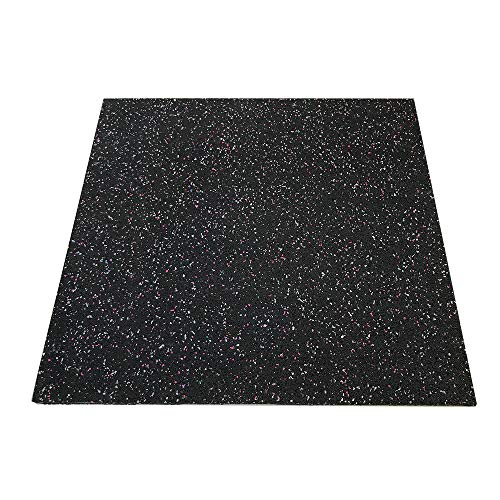
RevTime 28 x 28-Inch 5/8-Inch Anti-Vibration Mat, 2 Pack
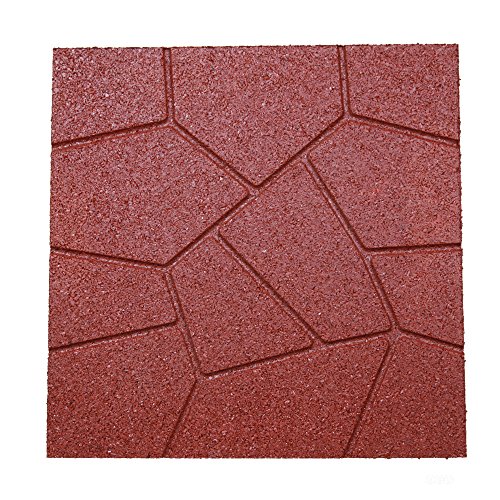
RevTime 16 x 16-Inch Dual-Side Garden Paver, 6 Pack

RevTime 20 x 20 x 1-Inch Interlocked Outdoor Tile, 4 Pack
What Each Pick Brings To The Table
BalanceFrom lands in the useful middle ground between a thin exercise mat and a bulky padded surface. The 1/2-inch EVA foam adds cushioning under moving feet while remaining manageable for a garage workout corner.
Its six puzzle-shaped tiles connect without tools and can be rearranged as the layout changes. Compared with the 3/8-inch We Sell Mats, this set offers more thickness, making it more appropriate for exercise routines that involve stepping, kneeling, or repeatedly moving equipment.
Benefits That Matter
- The 1/2-inch profile cushions a workout area without reaching the height of the thicker ProsourceFit set.
- Six interlocking tiles can form a compact zone beneath an exercise mat or equipment.
- Moisture-proof construction supports routine cleaning with soap and water.
- The foam format is easier to move and reposition than a rigid rubber tile.
- Garage, basement, and home-fitness uses suit the same basic material and assembly.
Practical Considerations
- The limited tile count may leave uncovered concrete in a larger workout area.
- Foam provides cushioning rather than the dense vibration isolation offered by the RevTime rubber mats.
Key Specs
Who It Suits Best
This set best fits garage-based exercisers who want moderate cushioning, simple assembly, and a compact training footprint.
Where Another Pick Suits Better
RevTime Anti-Vibration Mats provide a better fit for heavy appliances or strength equipment requiring dense rubber isolation.
Not every garage needs a thick training platform. The We Sell Mats set takes a lighter approach with 3/8-inch EVA foam tiles that add padding across playrooms, utility areas, or workout spaces.
Its lower profile makes it a practical choice for broad household use, including standing tasks near a sink or salon-style work area. Compared with the 1/2-inch BalanceFrom set, it takes up less vertical space and suits areas where moderate cushioning is enough.
Why It Works Well
- The 3/8-inch foam profile supplies useful padding without creating a high step.
- Interlocking edges produce a continuous surface that can cover several connected sections.
- The material works across exercise, play, classroom, office, mudroom, and laundry-room applications.
Trade Offs
- Less thickness means less joint protection than the 3/4-inch ProsourceFit tiles.
- The broad household use depends on a clean, dry subfloor because foam is less suited to persistent outdoor wetness.
Right Fit For
These tiles suit families creating a padded play area or exercisers who want a low-profile garage mat for general movement.
Look Elsewhere When
BalanceFrom Puzzle Exercise Mat provides a better fit for a dedicated workout area needing 1/2-inch cushioning.
ProsourceFit is built around a simple priority: more protection beneath demanding equipment. Its 3/4-inch EVA tiles create a deeper layer than the BalanceFrom set, with six pieces covering 24 square feet.
That larger, thicker profile makes more sense for a garage gym holding benches, racks, or other stationary equipment. For exercise-only flooring, it may feel more substantial than necessary, but the added depth creates a distinct separation from bare concrete.
Key Advantages
- The 3/4-inch thickness gives equipment and exercise surfaces more separation from the subfloor.
- Six tiles cover 24 square feet, making layout planning more straightforward.
- The black woven appearance remains visually restrained in a working garage.
- Interlocking construction supports a connected surface beneath multiple pieces of equipment.
Things To Consider
- The deeper profile adds more weight and bulk than the 3/8-inch or 1/2-inch foam sets.
- Six tiles may not fully cover a larger weight-training layout.
At A Glance
Who Will Love This
This set fits home-gym users who place heavy equipment on foam tiles and value thickness more than easy handling.
Another Choice May Suit
RevTime Anti-Vibration Mats offer a better fit when dense rubber isolation beneath a washer, dryer, or weight machine matters more than a large foam footprint.
These RevTime mats address a different garage-floor problem from the interlocking foam sets. Dense rubber cushions washers, dryers, audio equipment, and strength-training equipment from vibration, movement, and impact noise.
Each mat measures 28 by 28 inches and 5/8 inch thick, while the pack contains two pieces. Compared with the ProsourceFit tiles, the material is heavier and more specialized, which makes sense for individual machines rather than a walkable exercise surface.
Practical Pluses
- Heavy-duty rubber provides a firmer isolation layer than EVA foam.
- The square dimensions suit the footprints of many household appliances and training machines.
- Two separate mats allow placement under two pieces of equipment.
- The 29-pound combined weight helps the mats remain planted around active equipment.
Minor Gripes
- Fresh rubber may carry an odor after the package is opened and benefit from ventilation.
- The 28-inch footprint may not cover the full base of larger cardio machines.
The Right Fit
These mats suit garage households isolating a washer, dryer, audio unit, or compact strength machine on a hard floor.
Swap It Out When
ProsourceFit 3/4-Inch Weaved Puzzle Floor Mat is the better option for creating a broad cushioned exercise area.
The RevTime pavers extend beyond a sealed garage floor and into entries, patios, decks, balconies, and garden paths. Their flexible SBR rubber construction gives the 16-inch squares a softer, more forgiving surface beneath feet.
Six red pavers can form a small path or define a protected spot near a garage threshold. Compared with the flat RevTime anti-vibration mats, these pieces provide drainage channels and outdoor-oriented stepping surfaces instead of equipment isolation.
Where It Helps
- Grooved undersides help keep water away from the surface below.
- The rubber construction is flexible and designed to resist slipping.
- Six 16-inch squares allow a path to curve around obstacles or thresholds.
- Red coloring adds a clear visual edge to a gray concrete entrance.
- Static resistance is useful around a garage opening and outdoor work area.
Small Caveats
- The 16-inch square format is better for stepping paths than covering a full garage floor.
- Even spacing is needed to create an even walking route.
Feature Snapshot
Best Suited To
This paver pack fits homeowners creating a short outdoor path between a garage, patio, deck, or garden area.
Reach For A Different Pick When
RevTime 20 x 20 x 1-Inch Interlocked Outdoor Tile provides a better fit for larger connected outdoor floor areas.
Larger 20-by-20-inch tiles give the RevTime outdoor set a broader footprint than the 16-inch garden pavers. The 1-inch thickness and interlocking edges suit connected surfaces around playgrounds, outdoor exercise areas, and backyard activity zones.
Micro-porous high-density rubber allows water to pass through rather than remain trapped above the surface. Compared with the six garden pavers, these tiles cover more space per piece and create a more continuous outdoor floor, although the larger dimensions demand more careful alignment.
A Few Strong Suits
- Each tile covers a 20-by-20-inch area for broad outdoor layouts.
- The 1-inch profile provides substantial separation from the ground.
- Water-permeable construction supports outdoor use where rain may pass through.
- Interlocking edges help form a continuous exercise or play surface.
- Plastic pole connectors support installation of playground-style structures.
Details To Watch
- Four tiles may require additional pieces for a full outdoor gym or play area.
- The 1-inch height creates a noticeable step at garage thresholds.
The Numbers That Matter
Built With In Mind
These tiles suit families building a backyard exercise area, outdoor play surface, or playground connection over a larger footprint.
Where A Sibling Pick Shines
RevTime 16 x 16-Inch Dual-Side Garden Paver is easier to arrange as a narrow stepping path between a garage and patio.
What Matters in a Garage Floor
Match the Material to the Use
EVA foam works best around exercise routines and lightweight domestic uses. The material cushions movement without the weight of solid rubber, making repositioning easier. Dense rubber serves a different purpose, isolating vibration beneath machines or supporting outdoor paths where water needs to pass through.
Measure Height and Access Carefully
Foam thickness ranges from 3/8 inch to 3/4 inch in this shortlist, while the outdoor rubber tiles reach 1 inch. That difference affects door clearance, equipment loading, and the transition between a finished garage floor and a patio.
Plan the Coverage Before Ordering
A six-piece foam set may suit a defined workout corner, but a large gym requires more coverage than a small cluster. The ProsourceFit set provides 24 square feet, while the RevTime outdoor tiles offer larger individual pieces suited to continuous layouts.
Separate Exercise From Utility Zones
A single floor covering rarely handles every garage task equally well. Exercise flooring prioritizes cushioning, appliance mats prioritize isolation, and outdoor tiles prioritize drainage and raised footing. Dividing the garage into zones usually makes more practical sense than forcing one material across the entire space.
Two Garage-Floor Lessons Worth Learning
Mistakes Worth Dodging
Choosing by color or thickness alone can leave an important requirement unanswered. Measure the space, note the equipment load, and check doorway transitions before ordering. A broad exercise area also needs more coverage than a single machine pad.
What Separates Premium From Basic
Deeper foam increases cushioning, while dense rubber adds weight and vibration isolation. Water-permeable construction matters outdoors but serves little purpose beneath an indoor exercise mat. Paying for a more specialized material makes sense when the floor faces a distinct load, moisture, or drainage condition.
Frequently Asked Questions
What thickness is best for a garage workout floor?
A 1/2-inch foam mat is a practical middle ground for general exercise, while 3/4-inch tiles provide more separation for equipment-heavy setups. The best choice depends on available clearance and the type of movement involved.
Can foam tiles be used in a garage?
Yes, foam exercise tiles suit dry garage workout areas, basements, and play spaces. Their moisture-resistant surface permits routine cleaning, but persistent outdoor wetness calls for a permeable rubber tile instead.
Are RevTime outdoor tiles suitable for a garage entrance?
RevTime outdoor tiles suit garage thresholds, patios, decks, and paths where water needs to drain. Their 1-inch height requires attention at transitions between the raised surface and the garage floor.
Which mat works beneath a washing machine or dryer?
The RevTime Anti-Vibration Mats are designed for washers, dryers, audio equipment, and strength-training equipment. Their 28-inch square footprint provides dense rubber isolation beneath individual machines.
Do all of these floor products use interlocking tiles?
No, the RevTime Anti-Vibration Mats are individual rectangular pads, while the remaining sets use puzzle-style or interlocking connections. The flat pads concentrate on isolation rather than forming one continuous walking surface.
Final Verdict
The best garage floor depends on the job: BalanceFrom handles general workouts, ProsourceFit adds deeper protection, and RevTime covers equipment isolation, garden paths, and larger outdoor surfaces. Matching material and thickness to the intended use prevents an expensive mismatch and keeps the installation practical.