
Finding the right termite treatment starts with identifying the pests, locating their entry points, and matching the product to the area you need to treat. You may encounter general insecticides alongside a product specifically labeled for termites, so the label matters more than the spray format alone. Foam insulation, for example, can close gaps but cannot replace a pesticide approved for termite control.
This lineup covers outdoor treatments, residual household sprays, commercial formulations, and sealing products that can complement a broader pest-management plan.
The Lineup, Simplified

Magic Chems 24-Pack Foam Kit

BASF Microcare CS Pyrethrin Spray

Hi-Yield 33006 32 oz Insecticide

Raid 2-Pack Ant & Roach Spray
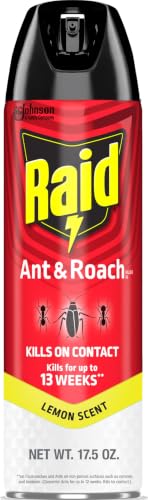
Raid Lemon Ant & Roach Spray

Ortho Bed Bug, Flea & Tick Spray

Wondercide Peppermint 32 oz

Magic Chems 18-Pack Foam Kit
The Details Behind The Selections
Closing a route into a workshop, van, attic, or crawl space requires more than a standard aerosol. This kit includes 24 cans of expanding polyurethane foam, a coated application gun, multiple nozzle types, cleaner, and basic protective gear, making it a practical sealing setup for larger projects.
Spray foam is not a termite pesticide, so you should not treat it as direct pest control. It can complement exclusion work by closing accessible cracks and gaps, although the label lists a wide range of spaces, including roofs, foundations, pipes, boats, and vehicles. You may find the 25-to-30-centimeter spraying distance easier to control than a close application that causes material to move.
Standout Benefits
- Twenty-four cans support multiple property projects.
- The coated foam gun suits controlled application.
- Short and long tips suit different gaps.
- Cleaner helps maintain the applicator between jobs.
- Protective clothing, goggles, gloves, and a mask are included.
Practical Considerations
- Allow the foam to set for 24 hours before trimming or shaping it.
- Storage and ventilation needs may matter in a confined workspace.
Key Specs
Built With In Mind
This kit suits experienced DIYers handling larger sealing projects with a ventilated work area and an appropriate spray applicator.
Another Choice May Suit
The Magic Chems 18-Pack Foam Kit suits smaller project inventories that need the same gun-and-nozzle setup with fewer cans.
A restaurant receiving area or commercial kitchen calls for a pest aerosol chosen around label directions, application sites, and food-handling requirements. BASF Microcare CS is a 20-ounce pressurized pyrethrin formulation intended for commercial pest-management settings where many conventional products may not fit.
The formula uses pyrethrin with piperonyl butoxide as a synergist, an ingredient that helps the active component perform more effectively. Its flushing action can expose hiding insects, while the non-residual approach favors immediate treatment over long-term surface protection. Unlike Hi-Yield 33006, this product is not presented as a termite treatment.
Everyday Wins
- Targets flying and crawling pests.
- Flushing action helps reveal hidden insects.
- The non-residual formula suits rapid applications.
- The 20-ounce can covers commercial-sized work areas.
Points To Keep In Mind
- Termite control is outside the stated pest scope.
- State restrictions and labeled storage rules may limit your use.
Made For
Commercial food environments and trained pest-management operators suit this aerosol when its label permits the intended application.
Look Elsewhere When
The Hi-Yield 33006 32 oz Insecticide suits an outdoor treatment plan that specifically includes termites on its label.
Termite treatment begins with a product whose label covers the target pest and the application area. Hi-Yield 33006 is the only option here explicitly described for termite control, and its label information indicates up to five years of control when the product is used according to those directions.
The 32-ounce bottle contains a liquid concentrate, which means it must be mixed with water before application. Its wider list includes ants, fleas, ticks, and crickets, making it more versatile than a single-purpose treatment. You may find the concentration useful for larger lawn, tree, shrub, or vegetable-garden work, but dilution and permitted sites must come from the label.
Useful Highlights
- The only listed option with stated termite use.
- The concentrate mixes with water for adjustable preparation.
- One formula covers numerous labeled insects.
- The bottle works across garden and landscape areas.
- Label information describes extended termite control.
Trade-Offs To Consider
- Mixing introduces a preparation step before spraying.
- Outdoor use may require careful coverage and wind awareness.
Technical Highlights
The Right Fit
Homeowners and property-care professionals managing labeled outdoor pest sites benefit most from this concentrate.
Reach For A Different Pick When
Wondercide Peppermint 32 oz suits a household wanting a ready-to-use indoor spray for general crawling and flying pests.
A kitchen cabinet or apartment entryway with ants, roaches, or silverfish calls for surface treatment rather than termite bait. This fragrance-free Raid pack includes two 17.5-ounce cans and targets a broad collection of crawling insects, including waterbugs, carpet beetles, earwigs, stinkbugs, scorpions, and listed spiders.
Its useful feature is residual action, which the label describes as lasting up to 13 weeks for roaches and carpenter ants after spraying. That makes it a maintenance option for recurring indoor traffic areas. The product is not labeled for termites, though, and you should keep that distinction clear before placing it in a termite-control plan.
Positive Points
- Fragrance-free formula suits odor-sensitive rooms.
- Two cans cover separate rooms or later follow-up.
- Residual action supports recurring pest maintenance.
Small Caveats
- Termites are outside the stated target list.
- Reapplication timing and surfaces must follow the label.
Who Should Grab It
Apartment residents managing ants, roaches, and other labeled crawling insects around indoor surfaces suit this two-can pack.
Another Choice May Suit
Raid Lemon Ant & Roach Spray suits a single localized treatment where you prefer a lemon scent and do not need a two-can pack.
One can is often enough for a contained ant trail or roach-heavy corner, and that is where Raid Lemon Ant & Roach Spray fits neatly. The 17.5-ounce aerosol applies directly to infested surfaces and targets common crawling insects around the home.
It works on contact and provides residual control for up to 13 weeks for roaches and carpenter ants, according to the label. The lemon scent gives it a different sensory profile from the fragrance-free two-pack, although the label also describes no lingering chemical odor. You should not confuse this general household formula with a termite treatment.
What Earns Its Place
- Direct surface application simplifies localized treatment.
- Residual action supports ongoing indoor control.
- The lemon scent provides a clear scent difference.
- One can handles a focused area without a multipack.
Honest Caveats
- It does not provide a stated termite-control use.
- Repeated treatments require attention to the label schedule.
Core Details
Right Fit For
Homeowners needing a convenient single can for ants, roaches, and labeled crawling insects benefit from this format.
Swap It Out When
The Hi-Yield 33006 32 oz Insecticide is the better choice when your treatment plan specifically calls for a concentrate labeled for termites.
Bed bugs hide around bed frames, seams, and nearby furniture, where a narrow applicator can make a meaningful difference. This one-gallon Ortho product comes ready to use with a Comfort Wand for reaching tight spaces, and it targets bed bugs, bed bug eggs, fleas, and ticks.
The included wand makes it more useful for a bedroom or home-office inspection than a basic open-can spray. It also forms step two of the Ortho Bed Bug Solution System, so existing treatment plans may call for another product before or after it. You should treat it as a specialized indoor pest product rather than a termite spray.
The Value In It
- Ready-to-use formula avoids a mixing step.
- The wand improves access to narrow hiding places.
- One gallon supports several detailed indoor applications.
Practical Considerations
- The labeled pest scope does not include termites.
- Check furniture and treatment-system instructions before use.
Feature Facts
Made For
Home occupants addressing bed bugs, fleas, or ticks around furniture and tight indoor spaces benefit from the wand application.
Where A Sibling Pick Shines
Wondercide Peppermint 32 oz suits general indoor pest maintenance involving a wider mixture of flying and crawling insects.
A mixed collection of ants, flies, fleas, wasps, mosquitoes, and silverfish calls for a broad indoor spray rather than a narrow pest-specific formula. Wondercide uses a plant-based approach with a peppermint scent and works as both a treatment and deterrent for the insects listed on its label.
The 32-ounce bottle suits kitchens, entryways, bedrooms, and other indoor locations where you want one product for several common pest categories. You can find a difference from Raid Lemon Ant & Roach Spray: Wondercide covers flying pests as well as crawling ones, while the Raid formula emphasizes residual household surface control. Neither is presented as a termite treatment.
Strong Points
- Targets both flying and crawling insects.
- The peppermint scent suits kitchens and living areas.
- One formula covers numerous common household pests.
- The 32-ounce bottle suits repeated household maintenance.
Things To Weigh
- Termites are not included in the stated pest list.
- Kitchen use still requires careful label compliance.
Who Will Love This
Households seeking an easy-to-use indoor spray for varied flying and crawling pests will appreciate this broad format.
Look Elsewhere When
BASF Microcare CS Pyrethrin Spray suits commercial food-handling environments where professional label requirements guide the application.
Sealing a few structural gaps needs less material than covering an entire building envelope. This 18-can Magic Chems package includes 25.4-ounce cans of closed-cell expanding foam, a coated application gun, several nozzle styles, cleaner, and protective accessories. It offers the same basic toolset as the 24-can version with six fewer cans.
Expanding foam can close cracks, reduce air movement, and add insulation around irregular spaces. That makes it useful for workshops, vans, boats, foundations, pipes, and small renovation areas. It does not target termites, however, so keep it in the exclusion portion of your plan rather than treating it as pesticide. You may find this count more practical for a medium-sized weekend project.
Strengths Worth Knowing
- Eighteen cans balance capacity and portability.
- The gun supports more controlled placement.
- Multiple tips suit narrow and broader gaps.
- Cleaner is included for applicator maintenance.
Where It May Fall Short
- It provides no direct termite treatment.
- The kit includes more equipment than a basic crack sealant.
Feature Overview
The Right Fit
Weekend renovators and workshop owners sealing several moderate-sized gaps benefit from the balanced 18-can bundle.
Consider Something Else When
The Magic Chems 24-Pack Foam Kit suits larger projects that need more cans for separate areas or follow-up work.
What Matters Before Treating for Termites
Match the label to the pest
A termite pesticide must identify termites among its labeled pests and sites. Hi-Yield 33006 is the only product in this group with stated termite use, while the other insecticides focus on ants, roaches, flying insects, or other household pests.
Understand concentrated and ready-to-use formats
A concentrate contains active ingredients in concentrated form and requires dilution with water. Ready-to-use aerosols arrive prepared for direct application, which makes them convenient but does not change their labeled pest scope.
Separate pest control from exclusion
Spray foam can close accessible gaps and reduce air leakage, but it is not an insecticide. Treat structural sealing as a complementary step while using a termite-labeled product for the pest-control portion of the plan.
Check the application site carefully
Food-handling areas, living spaces, gardens, and livestock areas have different label requirements. Read the complete directions, storage instructions, and state restrictions before mixing or applying any pesticide.
Avoiding Costly Treatment Mistakes
Wrong Turns To Avoid
Do not assume a general ant, roach, or flying-insect spray controls termites. Checking the pest list, application sites, and dilution directions helps prevent the most serious error: using a product outside its intended treatment.
What Separates Premium From Basic
A higher-cost option may provide a larger container, a specialized applicator, broader pest coverage, or a longer stated control period. The upgrade is worthwhile only when that added feature matches the treatment area and pest on the label.
Frequently Asked Questions
What spray is labeled for termites?
Hi-Yield 33006 is the only option here with stated termite control. Follow its label for mixing, eligible sites, and application directions.
Can spray foam treat termites?
No, spray foam seals gaps but does not act as a termite pesticide. Use it for exclusion work alongside a product labeled for termites.
Do termite concentrates require mixing?
Hi-Yield 33006 is a liquid concentrate that mixes with water. Prepare it only at the dilution specified on the label.
Which option suits food-handling areas?
BASF Microcare CS is intended for commercial food-handling applications. Its use remains subject to the label and applicable restrictions.
Which sprays offer residual household control?
Raid Ant & Roach Spray provides up to 13 weeks of residual action for roaches and carpenter ants. That feature does not extend its use to termites.
Final Verdict
Hi-Yield 33006 is the clearest fit for direct termite treatment because its label includes that pest. The other sprays and foam kits serve narrower household, commercial, or structural-sealing roles. You can build a more sensible plan by choosing a termite-labeled treatment first, then adding sealing products only where they improve access control.