
A spider crossing a hallway at night can make an ordinary home feel unsettled, especially in apartments, basements, garages, and older houses. Indoor traps help you capture roaming pests, monitor where they travel, and deal with small flying insects around plants without relying on sprays. The right choice depends on the pest, the trap’s placement, and how much space you need to cover.
The Choices Worth Comparing

USKICH Sticky Fruit Fly and Gnat Traps, 24-Pack
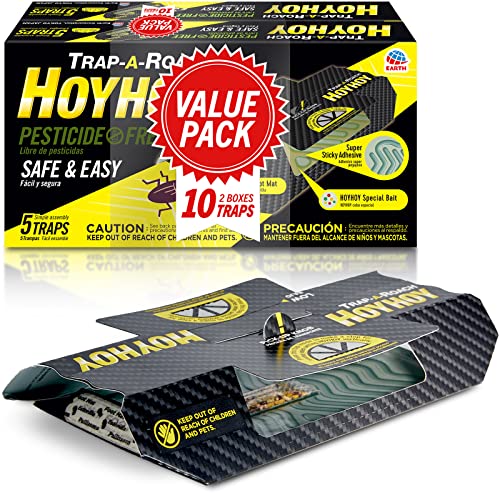
HOY HOY Trap A Roach Glue Traps, 10-Trap 2-Pack

YourDaDa Yellow Sticky Traps, 40-Pack, 5 Shapes

tenerolike Peppermint Oil Rodent Repellent Balls, 36-Pack

Catchmaster Max-Catch Glue Traps, 36-Pack

Catchmaster Extra Sticky Glue Boards, 12-Pack, 5.3 x 8 Inches

Catchmaster Super Glue Traps, 30-Pack

Catchmaster Multi-Catch Live Catch Metal Mouse Traps, 6-Pack
A Breakdown Of The Leading Choices
Small gnats gathering around a potted plant can be surprisingly distracting, especially in a kitchen or sunroom. These traps use a sticky adhesive, meaning a thin adhesive coating that captures insects on contact, and their pointed ends can be pushed directly into potting soil. That design makes them more plant-focused than the floor-level Catchmaster options reviewed later.
Compared with the decorative YourDaDa traps, this set takes a more practical approach with black traps and a 24-piece count. The adhesive is described as UV-resistant and waterproof, which suits covered patios, greenhouses, and outdoor containers as well as indoor plants. For most plant owners, the soil-mounted format is easier to keep out of sight than a hanging trap.
Noteworthy Benefits
- The pointed stake keeps the trap upright beside vulnerable plants.
- Removing two protective sheets exposes the adhesive without adding ties or hooks.
- Weather resistance supports use in greenhouses, nurseries, and backyard gardens.
- No odor makes the traps suitable for kitchens and living areas.
Small Caveats
- They target plant pests rather than roaming floor spiders.
- Replace a trap once insects or dust cover more than half of its surface.
Feature Snapshot
Made For
These traps suit houseplant owners and greenhouse gardeners dealing with fungus gnats, fruit flies, whiteflies, or other small insects near soil.
Look Elsewhere When
Catchmaster Max-Catch Glue Traps suit you better when you need to monitor spiders and larger crawling pests along indoor floor routes.
A roach problem is easier to narrow down when you place traps along cabinets, under sinks, and beside suspected entry points. These small floor traps provide a discreet way to catch roaches and reveal where activity continues. The textured glue is designed to grip the insects’ legs rather than simply hold them on a smooth surface.
Unlike the plant traps before it, this is a targeted floor trap with bait built into the package. Four bait types are kept separate so their tastes and smells do not mix, which may make the traps more appealing to roaming roaches. In homes with children or pets, keeping each trap covered and positioned out of reach remains important despite the child- and pet-conscious design.
Benefits That Matter
- Textured adhesive helps prevent captured roaches from pulling away.
- Separate bait compartments provide several food cues in each trap.
- Ten traps across two packs allow targeted placement in several rooms.
- The low-profile design fits beneath furniture and beside baseboards.
Honest Caveats
- This baited design focuses on roaches rather than general spider coverage.
- Keep traps covered and positioned where children and pets cannot reach them.
Quick Facts
The Right Fit
This set fits households with a confirmed roach problem who want low-profile monitoring points around kitchens, bathrooms, and utility areas.
A Better Fit Elsewhere
Catchmaster Super Glue Traps suit you better when spiders, mice, and several crawling pests are the primary concern.
Yellow traps can look more like part of a plant display than a piece of pest-control equipment, and that is the central appeal here. Each trap includes a yellow adhesive surface and a small stake for insertion into soil, while alternate versions can be suspended with string. You can choose bird, cat, butterfly, sunflower, or rose shapes across the 40-piece assortment.
Compared with USKICH’s discreet black traps, this set makes the decorative presentation part of the selection. A tiny shovel is included to dig a suitable slot in a pot, which helps avoid stabbing roots while placing the stake. For a bright kitchen shelf or conservatory, that visual flexibility may matter more than the understated appearance of a black trap.
What Helps Most
- Five decorative shapes let you coordinate traps with the room.
- Eight traps in each shape make it easy to keep one visual theme together.
- The included shovel simplifies placement in container soil.
- Waterproof, UV-resistant surfaces suit indoor and outdoor plant areas.
Possible Compromises
- The decorative faces are intended for plant traps, not floor-level spider monitoring.
- Uncovering the adhesive can leave residue on your fingers without care.
Whose Shelf It Belongs On
This assortment suits plant lovers who want small flying-insect traps to blend into a kitchen, sunroom, or indoor garden display.
Swap It Out When
USKICH Sticky Fruit Fly and Gnat Traps suit you better when a discreet black profile matters more than decorative shapes.
Attics, garages, and storage rooms often have more unused corners than convenient electrical outlets, and this option takes a different approach from adhesive traps. Each ball uses peppermint oil and plant-based ingredients to release a strong mint scent intended to discourage rodents and other listed pests from entering an enclosed area. The balls can be placed directly or hung in a suitable location.
Unlike the Catchmaster products later in the list, this method does not depend on an insect stepping onto a sticky surface. The manufacturer lists scent release for 30 to 60 days and coverage reaching 120 square feet, although actual results depend on airflow, enclosure, and placement. The sealed package also matters because opening it early allows the scent to disperse before you position the ball.
A Few Highlights
- Peppermint oil creates a noticeable scent barrier without sticky residue.
- Moisture resistance suits damp garages, basements, and RVs.
- Thirty-six balls allow distribution across several enclosed areas.
- Loose balls can be placed or hung without tools.
Practical Considerations
- The mint scent may be noticeable in enclosed rooms.
- Keep each ball sealed until it is ready for use.
Important Details
Built With In Mind
This option fits households wanting a low-mess scented deterrent for enclosed spaces shared by children or pets, subject to careful placement.
Another Choice May Suit
Catchmaster Extra Sticky Glue Boards suit you better when you need to capture spiders and other crawling pests physically.
Large infestations often need several monitoring points rather than one conspicuous trap near the visible activity. The 36-piece Max-Catch set gives you enough boards to place around suspected routes in a basement, garage, pantry, or utility room. Its adhesive surface is designed for insects, ants, mice, rats, roaches, spiders, crickets, and other crawling pests, making it more versatile than the baited HOY HOY traps.
The manufacturer recommends leaving the paper covering on at first so pests can acclimate to the board, then placing traps along known or suspected paths without adding bait. For you, that means positioning each board where feet or bodies will make contact, such as along a wall, beneath an appliance, or beside a threshold. The honest benefit here is monitoring and capture across many locations rather than one concentrated solution.
A Few Strong Suits
- Thirty-six boards support broad placement across an entire property.
- The same surface targets spiders and several common crawling pests.
- No bait is required, simplifying placement along travel routes.
- Flat boards slide beneath furniture and appliances.
Details To Watch
- Large adhesive areas need careful handling to avoid sticky contact.
- Several boards may be wasted when placed away from actual traffic.
Best Suited To
This pack suits homeowners who need flexible, no-bait monitoring across several rooms, basements, garages, or other larger indoor areas.
Where A Sibling Pick Shines
Catchmaster Extra Sticky Glue Boards suit you better when storage space is limited and you prefer fewer, defined boards.
A defined 5.3-by-8-inch board is easier to position deliberately than a larger roll or a trap meant for a garden pot. These Catchmaster boards are intended for mice and insects, including spiders, ants, roaches, and crickets. Their listed uses for garages, basements, and attics make them a sensible choice for dry indoor areas where pests travel along walls or floors.
Compared with the 36-pack Max-Catch set, you receive fewer traps but get dimensions that make placement around a doorway, cabinet, or storage shelf easier to judge. The manufacturer advises leaving the paper on initially and using the boards without bait. The adhesive formula is described as attracting crawling pests and rodents, while the extra-sticky construction is intended to hold contact firmly.
The Case For It
- Defined dimensions simplify placement in corners and along baseboards.
- Extra-sticky glue supports use with mice and crawling insects.
- No bait is needed, so you can position boards directly along routes.
- Twelve boards provide a practical balance for several indoor rooms.
Small Limitations
- Fewer pieces require more selective placement than the Max-Catch pack.
- Keep the adhesive surface covered until it is positioned.
Technical Highlights
Who Will Love This
These boards suit you best if you want a measured, low-profile trap for a garage, basement, attic, pantry, or other indoor pest route.
Consider Something Else When
Catchmaster Multi-Catch Live Catch Metal Mouse Traps suit you better when your primary concern is a larger volume of captured mice.
Floor-level monitoring becomes easier when one trap can address spiders alongside mice, rats, roaches, ants, crickets, and other crawling pests. This 30-pack is built around that broad indoor use, giving you enough pieces to test several rooms or create a perimeter around a suspect area. The manufacturer positions the traps for placement along known or suspected pathways without bait.
That makes it different from the peppermint repellent balls, which rely on scent rather than contact. For spider activity near baseboards, under furniture, or along a garage wall, this adhesive approach can show you where movement continues. The practical question is placement: traps set in open, unused floor space may remain untouched even while activity continues nearby.
Advantages To Know
- Thirty traps allow coverage across multiple rooms and pathways.
- Spiders and small rodents share the same trapping format.
- No bait simplifies placement along walls and thresholds.
- The adhesive board provides visible evidence of pest activity.
Things That May Matter
- Open placements can remain untouched when pests follow another route.
- Handle the boards carefully to prevent adhesive contact.
Built For
This pack suits you if you want broad indoor monitoring for spiders and several other crawling or roaming pests at once.
Reach For A Different Pick When
Catchmaster Max-Catch Glue Traps suit you better when you want a larger supply for extensive property-wide placement.
A mouse problem can produce more activity than a single flat glue board is built to hold, and this metal box takes a different approach. The reusable Multi-Catch design requires no setup or assembly, while the manufacturer states that one setting can hold up to 12 mice. It also includes an adhesive trap designed to attract mice, crickets, spiders, and other crawling pests.
Unlike the surrounding Catchmaster glue boards, the rigid metal housing gives you a more substantial trap to position in a basement, garage, or storage area. You should avoid adding bait because the manufacturer says that can reduce performance, and the included trap already uses its own attraction method. This is a specialized choice for heavier mouse activity, not the most natural pick for routine spider monitoring.
Standout Benefits
- The listing states a capacity of up to 12 mice per setting.
- Reusable construction reduces the need to replace a flat board each time.
- No assembly makes initial placement straightforward.
- The included adhesive trap also targets spiders and crickets.
Where It May Fall Short
- Its size and weight make it less convenient for temporary placements.
- Do not add bait, according to the manufacturer’s guidance.
Core Details
Who Should Grab It
This set suits you best when mouse activity is the main concern and you want a reusable trap with more listed holding capacity than a flat glue board.
Not Your Match When
Catchmaster Super Glue Traps suit you better for lightweight, low-profile spider monitoring across several rooms.
Where Indoor Traps Work Best
Match the trap to the travel route
Floor-level spider activity calls for flat adhesive boards positioned along walls, thresholds, furniture edges, and other surfaces that pests regularly cross. Plant traps belong near soil and foliage, while baited roach traps work best in cabinets and other sheltered areas. Choosing by pest behavior gives you a more useful starting point than choosing by trap shape alone.
Check the adhesive and setup
A glue trap uses a sticky surface to hold an insect or rodent after contact. Confirm that the trap can be positioned where you need it, especially beneath appliances, inside cabinets, or along outdoor-facing thresholds. Also consider whether you need a stake, string, a rigid box, or a surface that leaves no residue.
Keep household access in mind
Position traps where people and pets will not brush against the adhesive. Keep plant traps covered until insertion and leave floor traps inaccessible to curious children. A strong peppermint scent may also be noticeable in enclosed spaces, so ventilation matters with repellent balls.
Count useful locations, not just pieces
A large pack helps only when each trap has a purpose. Place boards on suspected routes, inspect them periodically, and avoid leaving replacements in inactive corners. You may need fewer traps than you think for one room, but more when monitoring a basement, garage, or several connected areas.
Avoidable Trap Mistakes
Mistakes Worth Dodging
Do not assume every trap attracts the same pests, or place multiple boards in the same open area. Check whether the adhesive is exposed before installation, and consider whether spiders travel along walls rather than across open floors.
What The Higher Tier Buys
A larger pack offers more placement points, while a rigid box adds capacity and a defined adhesive surface costs more than a simple garden stake. The upgrade is worthwhile when you need broader coverage or heavier mouse activity, not merely when a package contains more pieces.
Frequently Asked Questions
Do spider traps work indoors?
Yes, indoor spider traps can capture spiders that make direct contact with the adhesive. Placement along walls, thresholds, and other likely routes improves your chances of an encounter.
Where should you put glue traps for spiders?
Place them along baseboards, behind furniture, beside doors, and near visible signs of activity. Keep the surface covered until the trap reaches its final position.
Can you use sticky traps around children and pets?
You can use them, but you should position every trap where children and pets cannot touch the adhesive. Keep protective covers on until placement and store unused traps securely.
Are sticky traps better than sprays for indoor spiders?
Sticky traps work through contact and can reveal where spiders travel without coating nearby surfaces with spray. Their usefulness depends on correct placement and regular inspection.
What should you do after catching a spider?
Remove the trap carefully, clean the contacted surface according to the adhesive’s care directions, and replace it with a fresh board. A replacement can also reveal whether activity continues at that location.
Final Verdict
Start with the pest and its route: plant traps for small flying insects near soil, flat glue boards for spiders and crawling pests along indoor paths, and a reusable metal box when mouse activity is substantial. Match the pack to the number of useful locations you can monitor, keep every trap away from children and pets, and inspect it often enough to act on what you find.